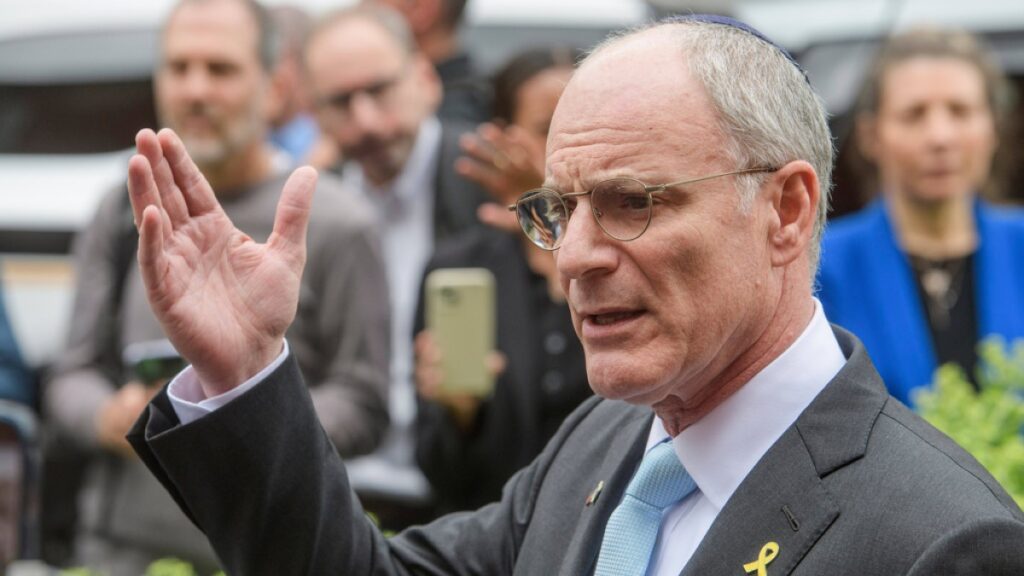
The current envoy of Israel to the United States, who is at the forefront of peace talks with Lebanon, has attracted attention due to his far-right political affiliations and the controversial nature of his rhetoric during negotiations. This envoy’s approach to the negotiations has sparked debate and concern among various stakeholders involved in the peace processes between Israel and Lebanon.
Lebanon and Israel have a complex history marked by decades of conflict and intermittent talks aimed at achieving stability and peace. The role of Israel’s envoy to the US is crucial, as they act as a diplomatic bridge in carrying out negotiations that could pave the way for peaceful resolutions.
Despite holding a pivotal diplomatic role, the envoy’s political leanings have raised eyebrows, particularly among critics who argue that far-right ideologies may influence the negotiation strategies and the potential outcomes of talks. The envoy’s rhetoric during discussions has been described as contentious, which in some cases, has intensified tensions instead of easing them.
Observers have noted that his firm stance and hardline message may resonate with right-wing factions within Israel. However, these same qualities have alienated some Lebanese representatives and complicated the negotiation atmosphere, potentially hindering progress.
The envoy’s far-right connections trace back to his political career and affiliations within Israel’s political landscape. These connections often manifest in a negotiation style characterized by a reluctance to compromise on crucial territorial and security issues, which are central to Israeli-Lebanese disputes.
Peace advocates emphasize the importance of a balanced and moderate diplomatic approach in addressing sensitive issues such as border disputes, withdrawal of forces, and mutual recognition. They warn that a far-right rhetoric undermines the trust and goodwill necessary for successful diplomacy.
The envoy’s critics suggest that his rhetoric may be aimed at consolidating support from conservative constituencies within Israel, while potentially risking alienation of key international partners and actors involved in Lebanese affairs.
Despite these controversies, the envoy continues to actively engage in talks facilitated by intermediaries, including the United States and international organizations. There are ongoing efforts to find common ground on critical issues such as maritime borders, security arrangements, and freedom of navigation in the Eastern Mediterranean.
The impact of the envoy’s political stance and rhetoric will continue to be closely observed as the negotiations progress. Diplomatic experts stress that the path to peace requires not only firm positions but also openness to dialogue and compromise.
The evolving dynamics surrounding Israel’s envoy highlight the broader challenge of reconciling divergent political ideologies within diplomatic processes. The case underscores the delicate nature of peace talks in conflict-prone regions where political narratives and national interests often collide.
In conclusion, the name of Israel’s US envoy leading the Lebanon talks remains a focal point of attention due to his far-right ties and the contentious rhetoric that shape the negotiation landscape. How this affects the prospects for peace between Israel and Lebanon remains uncertain, with many hoping for a resolution that prioritizes long-term stability and mutual respect over ideological rigidity.