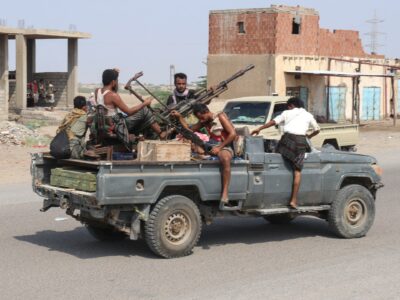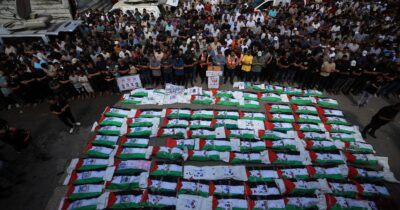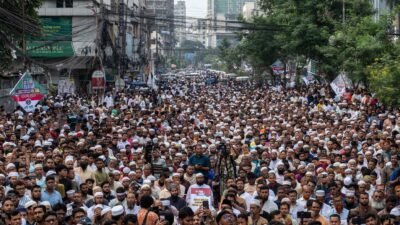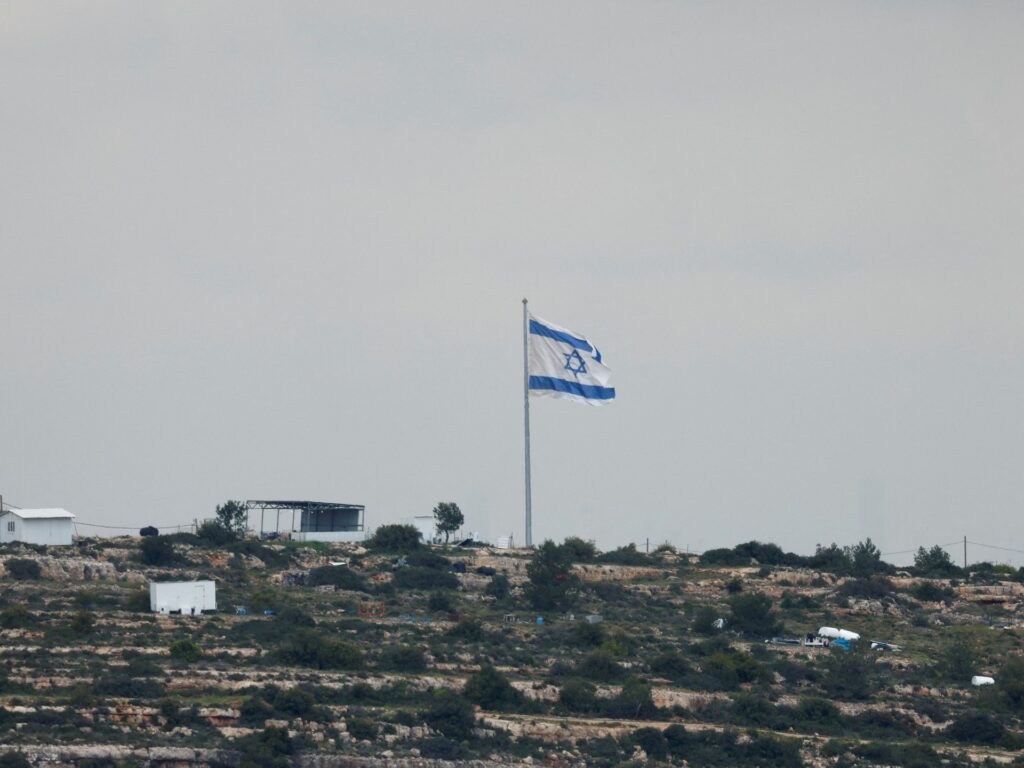
In a significant and controversial decision, Israel has approved the construction of 34 new settlements in the occupied West Bank, escalating tensions with the Palestinian population and stirring international concern. This move is seen by many as a undermining of the prospects for peace in the region and has provoked widespread fear and condemnation among Palestinians.
The occupied West Bank, a territory at the heart of the Israeli-Palestinian conflict, has long been a contentious area, housing both Palestinian communities and Israeli settlements. The approval of these 34 new settlements represents one of the largest expansions in recent years and is perceived by Palestinians as an aggressive encroachment on their land and rights.
Palestinians fear that the new settlements will further fragment their territories, making the creation of a contiguous and viable state increasingly difficult. This development is also likely to exacerbate the humanitarian situation, impacting access to resources, freedom of movement, and economic stability for Palestinian residents.
Israeli officials have defended the decision, citing security concerns and historical claims to the land. They argue that settlements are necessary for the protection of Israeli citizens and maintaining the Jewish presence in the West Bank. However, these justifications are largely rejected by the Palestinian leadership and much of the international community.
The international response has been swift, with many countries and organizations urging Israel to halt settlement expansion and return to negotiations aimed at achieving a two-state solution. The United Nations has reiterated that the settlements are illegal under international law and a major obstacle to peace.
The timing of the approval has also raised eyebrows, as it comes amid ongoing diplomatic efforts to restart peace talks and amidst global calls for renewed dialogue and reconciliation between Israelis and Palestinians.
For Palestinians on the ground, the announcement has intensified a climate of uncertainty and fear about their future. Many express feelings of betrayal and despair, worried that they will be further marginalized and displaced from their ancestral lands.
Human rights organizations have condemned the Israeli government’s move, highlighting the impact on Palestinian civilians and urging the international community to take stronger measures to uphold international law and protect Palestinian rights.
The expansion of settlements in the West Bank remains a deeply polarizing issue that continues to fuel the Israeli-Palestinian conflict. As both sides grapple with these developments, the path towards lasting peace appears increasingly fraught with challenges.
In conclusion, the approval of 34 new settlements by Israel in the occupied West Bank marks a critical point in the ongoing conflict. It has left Palestinians appalled and fearful for their land and future, while drawing strong criticism from the global community. The move underscores the urgent need for renewed diplomatic engagement to address the complex issues at the heart of this longstanding dispute and to work towards a peaceful and just resolution.