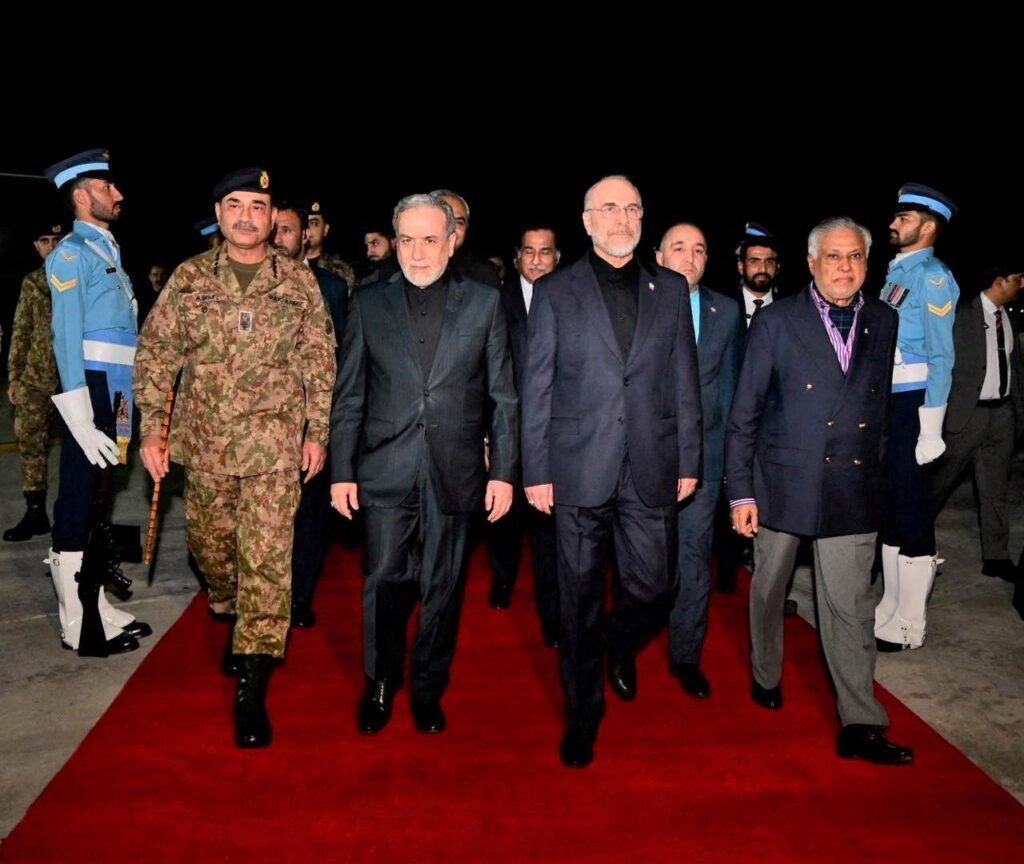
In recent remarks, Iran’s Deputy Foreign Minister, Kazem Gharibabadi, stated that Tehran has entered negotiations with the United States from a position of strength and asserted that the ongoing pressures and attempts to isolate Iran have ultimately failed. Gharibabadi emphasized that Iran remains steadfast and confident in its diplomatic engagements, highlighting that the so-called ‘war’ on Iran has not achieved its intended goals.
The deputy foreign minister’s comments come amid a complex backdrop of diplomatic efforts and tensions between Tehran and Washington. Over recent years, the two nations have engaged in intermittent talks concerning various issues, particularly focusing on Iran’s nuclear program and the lifting of sanctions.
Gharibabadi noted that Iran has maintained resilience despite heavy international pressures and sanctions aimed at bringing Tehran to the negotiating table. According to him, these pressures have not weakened Iran but rather reinforced its resolve.
He further described the current talks as being conducted from a position of upper hand, implying that Iran holds significant leverage in the ongoing discussions. This stance marks a shift from earlier phases of negotiation where Iran was perceived as being under considerable pressure.
The deputy FM’s remarks are indicative of Tehran’s broader strategy to present itself as a strong and unyielding actor on the international stage. This posture is seen as a message both to domestic audiences and international stakeholders that Iran will not concede to undue demands.
Experts view these statements as part of Iran’s diplomatic messaging that aims to strengthen its bargaining position, particularly in the context of potential agreements related to nuclear compliance and sanctions relief.
The ‘war on Iran’ mentioned by Gharibabadi refers to the compilation of economic sanctions, diplomatic isolation efforts, and other forms of pressure exerted by the US and its allies over the years. Despite these challenges, Iran has managed to sustain its key strategic initiatives and continues to push for a favorable resolution in its dealings with the US.
In summary, Iran’s deputy foreign minister’s declaration that Tehran holds the ‘upper hand’ signals a new phase of confidence in the negotiation process, underscoring Tehran’s assertion of strength and resilience amidst international pressures. As talks continue, the international community will be closely watching how this dynamic influences the outcome of ongoing diplomatic endeavors between Iran and the US.