As tensions escalate in the Middle East, Israel has firmly rejected calls for a ceasefire with Hezbollah, just days before scheduled talks in Washington aimed at addressing the unprecedented conflict in Lebanon.
The Israeli government continues its military campaign against Hezbollah positions in Lebanon, asserting that a ceasefire would undermine their strategic efforts to neutralize threats emanating from the group. Israeli officials maintain that ongoing attacks are necessary to ensure the security of their nation and prevent future aggression.
Meanwhile, Iran, a key supporter of Hezbollah, has condemned the Israeli strikes and insists that any meaningful ceasefire negotiations must include them as a party to the agreement. Tehran views the conflict through the lens of regional power dynamics and is pushing for diplomatic leverage to expand its influence in Lebanon and the broader Middle East.
The upcoming talks in Washington have been set against this volatile backdrop, with international diplomats striving to mediate a resolution to the conflict that has already caused significant casualties and displacement within Lebanon. The meeting underscores the complexities faced by global powers trying to broker peace amid competing agendas.
Security analysts note that the timing of the talks is critical. With Israel rejecting ceasefire proposals, the risk of further escalation remains high. Hezbollah has also refrained from committing to a cessation of hostilities, portraying the struggle as a defensive necessity against ongoing Israeli aggression.
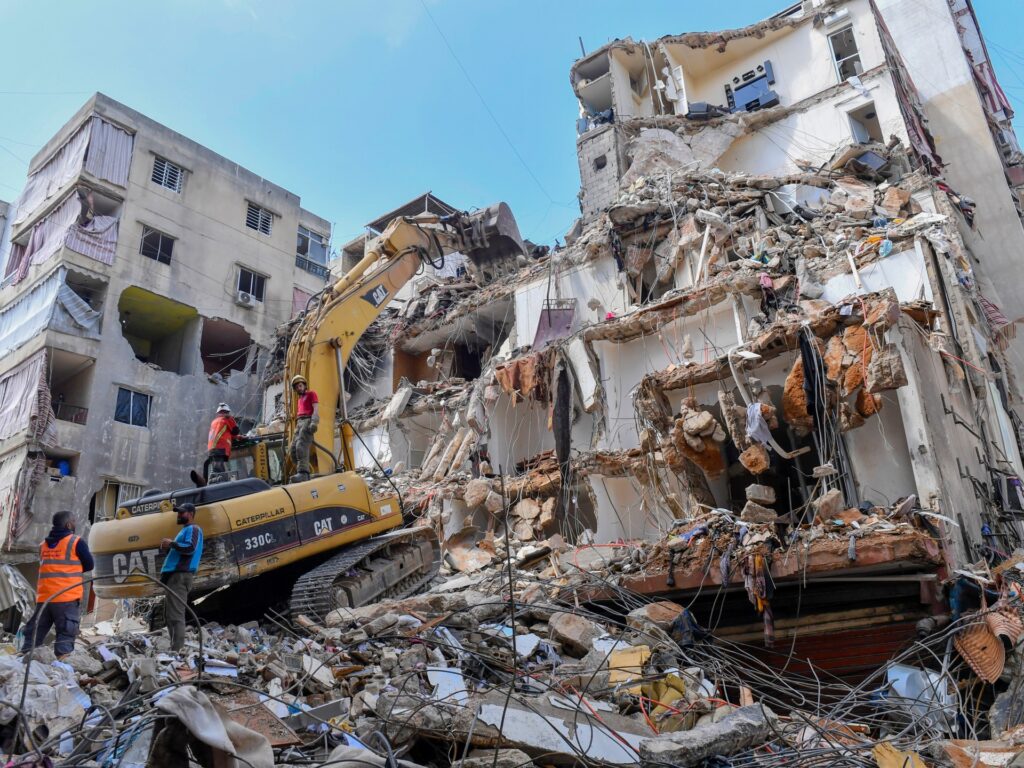
Lebanese civilians remain caught in the crossfire, with international humanitarian organizations calling for urgent measures to protect non-combatants and provide relief to those affected by the fighting. The disruption of essential services and infrastructure has exacerbated an already dire humanitarian situation in parts of Lebanon.
The broader implications of the conflict extend beyond the immediate region. The escalating violence threatens to destabilize neighboring countries and complicates U.S. and allied efforts to maintain security in a strategically important area riddled with geopolitical tensions.
Diplomatic sources suggest that while the current impasse appears entrenched, the Washington talks could pave the way for incremental steps toward de-escalation. Proposals under consideration include establishing humanitarian corridors, partial ceasefires, and mechanisms for ongoing dialogue between Israel, Hezbollah, and Iran.
Observers emphasize that any sustainable resolution must address the underlying issues fueling the conflict, including political representation in Lebanon, disarmament of militant groups, and regional security guarantees. The failure to do so risks perpetuating a cycle of violence with far-reaching consequences.
As the international community watches closely, the coming days will be crucial in determining whether diplomatic engagement can overcome military confrontation. The rejection of a ceasefire by Israel marks a significant hurdle, but the forthcoming talks offer a glimmer of hope for a path forward amidst a deeply entrenched crisis.