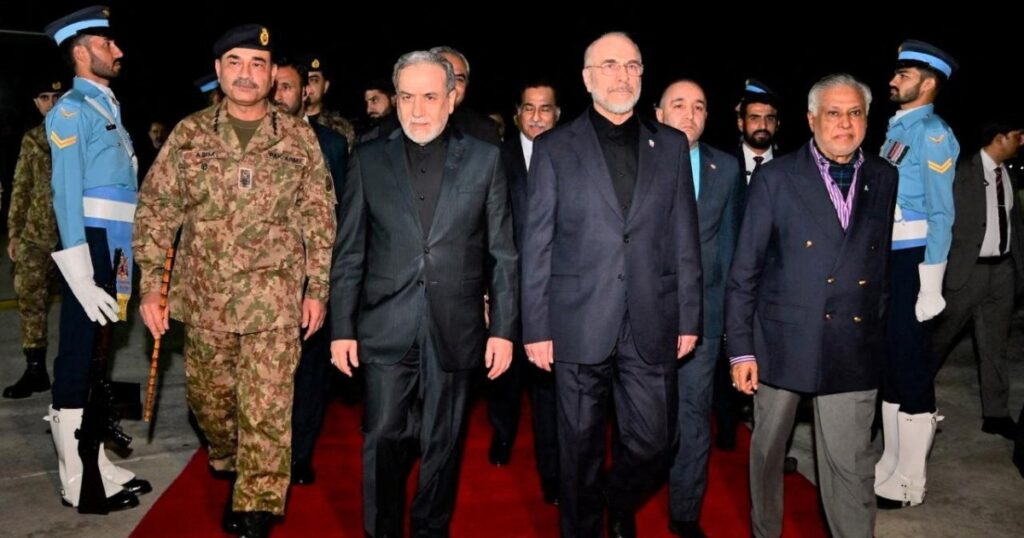
On the 43rd day of the ongoing US-Iran conflict, a significant development unfolded as senior Iranian officials arrived in Islamabad, Pakistan, to engage in ceasefire talks with representatives from the United States. This move signals a potential de-escalation effort amidst weeks of heightened tensions and clashes between the two nations.
The conflict, which has seen various military and diplomatic confrontations, remains a central concern for global security, with fears of broader regional instability. Both countries have so far maintained firm stances, but the initiation of dialogue in Islamabad indicates a mutual interest in reducing hostilities.
The talks in Islamabad come after weeks of military skirmishes, sanctions, and retaliatory measures that have threatened not only bilateral relations but also international economic and security landscapes. The involvement of Pakistan as a neutral facilitator in these discussions highlights its strategic diplomatic role in South Asia.
Senior Iranian officials are expected to discuss terms of ceasefire, confidence-building measures, and possible pathways to resume broader negotiations on resolving deeper underlying issues that fuel the conflict. The US delegation is reportedly approaching the talks with cautious optimism, aiming to achieve a halt in violence and the groundwork for further diplomatic engagement.
International observers and regional stakeholders are closely monitoring the situation, hoping the ceasefire talks will lead to a sustainable peace agreement. The conflict has disrupted oil markets, international trade routes, and heightened the risk of a wider regional conflict involving allied nations.
The arrival of the Iranian delegation in Islamabad marks a pivotal moment in the 43-day conflict, suggesting a shift from confrontational postures to dialogue and negotiation. While the outcome remains uncertain, this development offers a glimmer of hope for reducing tensions and establishing a framework for lasting peace between the US and Iran.
The global community remains vigilant, urging both sides to prioritize diplomatic solutions over military actions, recognizing the profound impacts continued conflict could have on regional and international stability. As the talks proceed, all eyes are on Islamabad, where the future course of this high-stakes conflict may be determined.