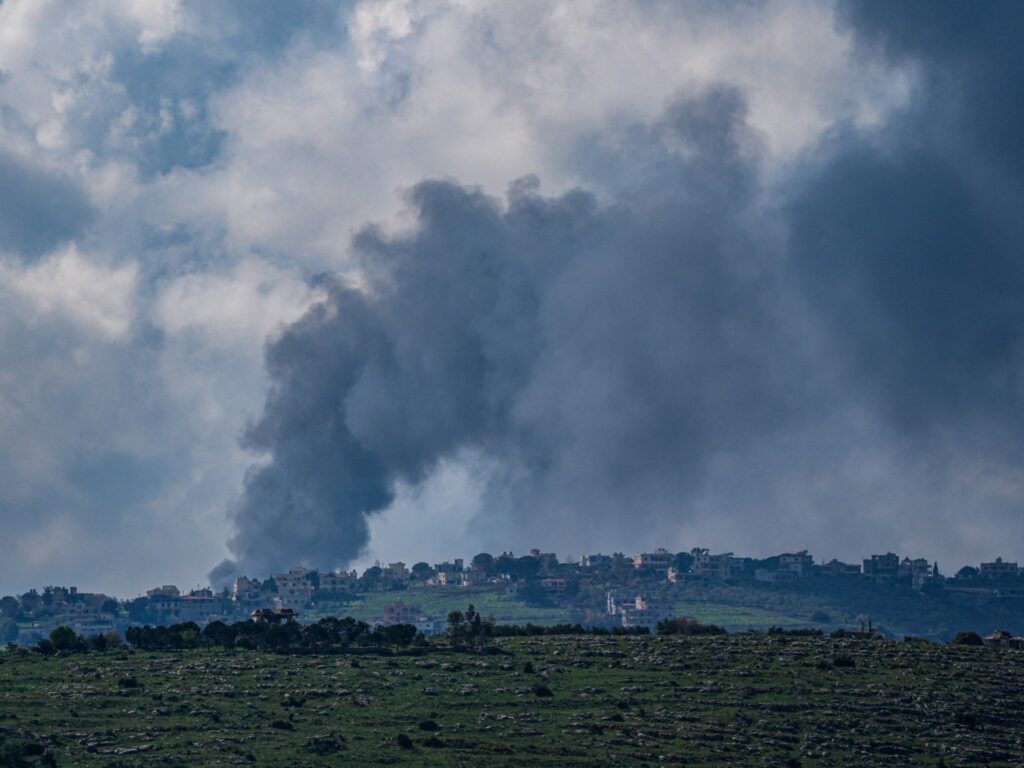
Recent Israeli air strikes across southern Lebanon have resulted in the deaths of at least 11 people, escalating tensions and raising concerns about the humanitarian situation in the region. The attacks have targeted various locations in southern Lebanon, causing significant casualties and widespread destruction.
The World Food Programme (WFP) has issued a stark warning regarding the deteriorating conditions in Lebanon, emphasizing that the situation is “rapidly becoming a food security crisis.” The ongoing conflict and air strikes have severely disrupted food supply chains, making it increasingly difficult for vulnerable populations to access essential nutrition.
Lebanon, already grappling with economic challenges and political instability, now faces a compounded threat to its food security due to these military actions. The air strikes have damaged infrastructure critical to food distribution, including roads, markets, and storage facilities, further exacerbating the crisis.
Humanitarian organizations are struggling to respond amid the heightened violence, calling for immediate ceasefire and increased access to aid for affected communities. The international community has expressed deep concern over the escalating conflict, urging restraint and dialogue to prevent further loss of life and humanitarian catastrophe.
The casualties reported include civilians, with families caught in the crossfire. Emergency services are overwhelmed by the number of injured and are working tirelessly to provide aid despite limited resources and ongoing security threats.
The World Food Programme’s warning highlights the urgent need for coordinated international support to address food shortages and nutritional needs in Lebanon. With the situation rapidly evolving, there is fear that without prompt intervention, the crisis could deepen, affecting millions.
Lebanon’s southern regions, historically vulnerable due to geopolitical tensions, are now facing one of their most severe crises in recent memory. The combination of conflict, economic hardship, and food insecurity poses a serious threat to the stability and wellbeing of the population.
Efforts to broker peace and provide humanitarian relief are underway, but the path to resolution remains uncertain. International agencies continue to lobby for safe corridors to deliver vital aid and for halting air strikes that endanger civilian lives.
The WFP and other humanitarian groups are calling on all parties to prioritize the protection of civilians and ensure access to food and medical assistance. The coming days will be crucial in determining whether Lebanon can avert a full-scale humanitarian disaster triggered by these escalations.
As the situation develops, the international community remains on alert, monitoring the impact of the air strikes and coordinating responses aimed at mitigating the crisis and protecting vulnerable populations in southern Lebanon.