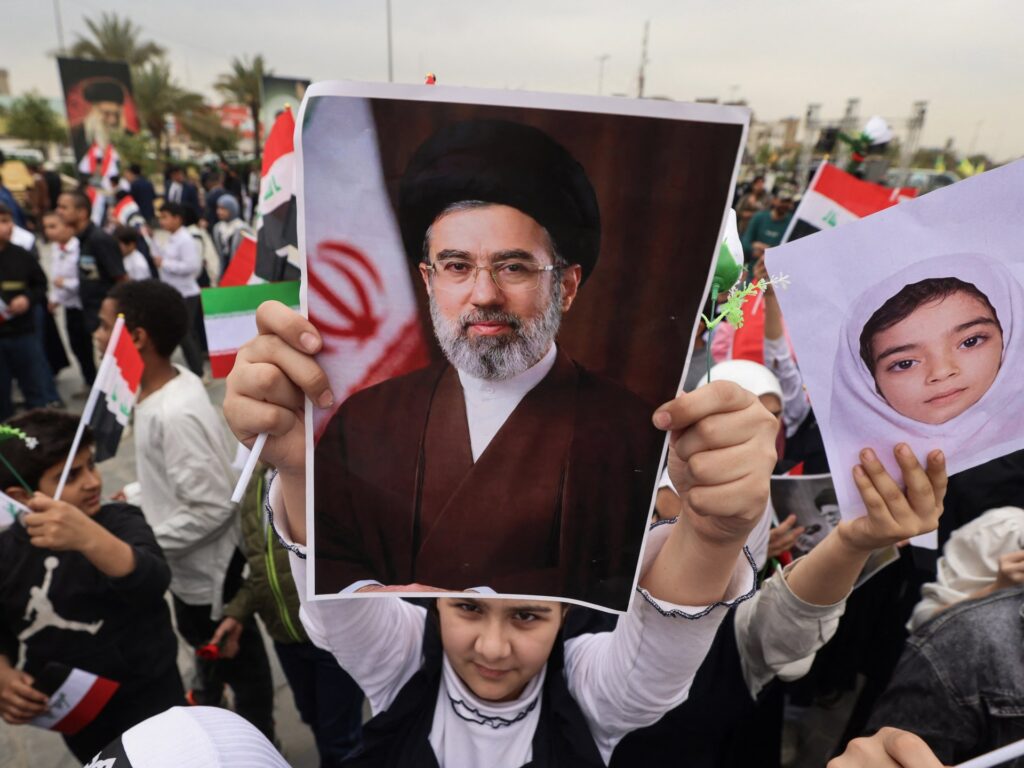
In a significant statement broadcasted by Iranian state television, Iran’s new Supreme Leader Mojtaba Khamenei has explicitly stated that Iran “does not want war”. This message comes amid heightened international tensions and concerns about potential conflicts involving Iran.
Khamenei’s message highlights Iran’s stance of seeking “compensation, not war,” suggesting a preference for negotiation or restitution over military confrontation. This declaration marks a notable position from the leadership, signaling an intent to avoid escalation and instead pursue peaceful resolutions where possible.
The statement was read out on state TV, reaching a wide domestic audience and likely aiming to reassure both the Iranian public and the international community about Iran’s intentions. With Iran often at the center of geopolitical disputes, messages from its Supreme Leader carry significant weight in shaping perceptions and diplomatic approaches.
Iran’s Supreme Leader Mojtaba Khamenei assumed his role in a period of complex regional dynamics and ongoing international scrutiny of Iran’s policies and ambitions. His declaration could be interpreted as a move to stabilize tensions and provide a clearer understanding of Iran’s current strategic outlook.
Observers note that while Iran seeks compensation, likely referring to grievances or disputes that it believes need addressing, its clear rejection of war suggests an attempt to avoid further conflict which could have widespread consequences in the Middle East and beyond.
As the situation continues to evolve, statements like this offer insight into the official mindset and may serve as a foundation for forthcoming diplomatic engagements. Iran’s message, as conveyed by Khamenei, is a call to prioritize peaceful solutions and avoid the devastating impacts of war.