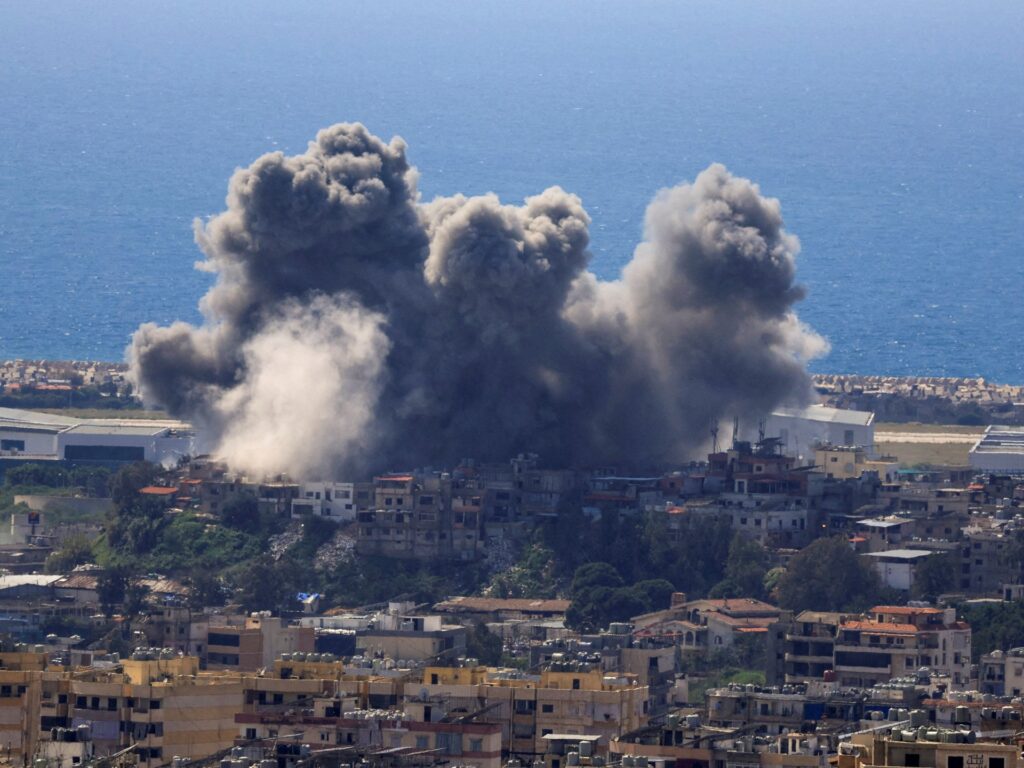
In a recent statement that has drawn significant attention, former US counterterrorism chief Joe Kent emphasized the critical need to restrain Israel to ensure the stability of the U.S.-Iran ceasefire agreement. The warning comes amid escalating tensions and ongoing conflicts in the Middle East, particularly concerning Israeli actions which some fear could undermine diplomatic efforts.
Joe Kent, who has extensive experience in counterterrorism operations, highlighted that the fragile ceasefire between the United States and Iran is at risk of being sabotaged by Israeli initiatives if not properly managed. According to Kent, while the ceasefire aims to reduce hostilities and create a platform for dialogue, Israel’s perceived unilateral moves could provoke reactions that jeopardize the deal’s effectiveness.
The US-Iran ceasefire, a significant diplomatic milestone, was brokered to ease longstanding animosities and prevent further escalation in the already volatile region. However, Israel’s strategic interests and security concerns often intersect with the US-Iran dynamic, complicating the peacebuilding process. Kent’s comments underscore the necessity for Washington to engage in stronger diplomatic efforts with its ally Israel, urging it to align its actions with the broader goal of regional peace.
Experts and analysts have echoed similar concerns, noting that Israel’s military operations and settlement activities have historically been flashpoints in Middle Eastern conflicts. If Israel continues such strategies without consideration of the ceasefire terms, it risks provoking Iran and other regional actors, potentially triggering a breakdown of peace efforts.
Furthermore, the geopolitical landscape of the Middle East is intricate, with various players influencing outcomes. The U.S. must balance its alliances while fostering stability. Kent’s warning is a call for pragmatic diplomacy, where Israel’s policies must be carefully coordinated with U.S. interests to maintain the ceasefire’s integrity.
This development also places additional pressure on U.S. policymakers to engage in proactive dialogue with both Israel and Iran. Ensuring adherence to the ceasefire calls for transparent communication, confidence-building measures, and mutual concessions.
The international community watches closely, with hopes that restraint and diplomatic finesse will prevent a resurgence of conflict. The role of influential figures like Joe Kent highlights the complexity of managing peace initiatives in a region fraught with deep-seated historical grievances and security challenges.
In conclusion, the recent warnings by former US counterterrorism chief Joe Kent serve as a crucial reminder that for any ceasefire between the US and Iran to be sustainable, Israel’s actions must be carefully restrained and aligned with peaceful resolutions. Only through coordinated efforts and mutual respect can lasting peace be achieved in the Middle East.