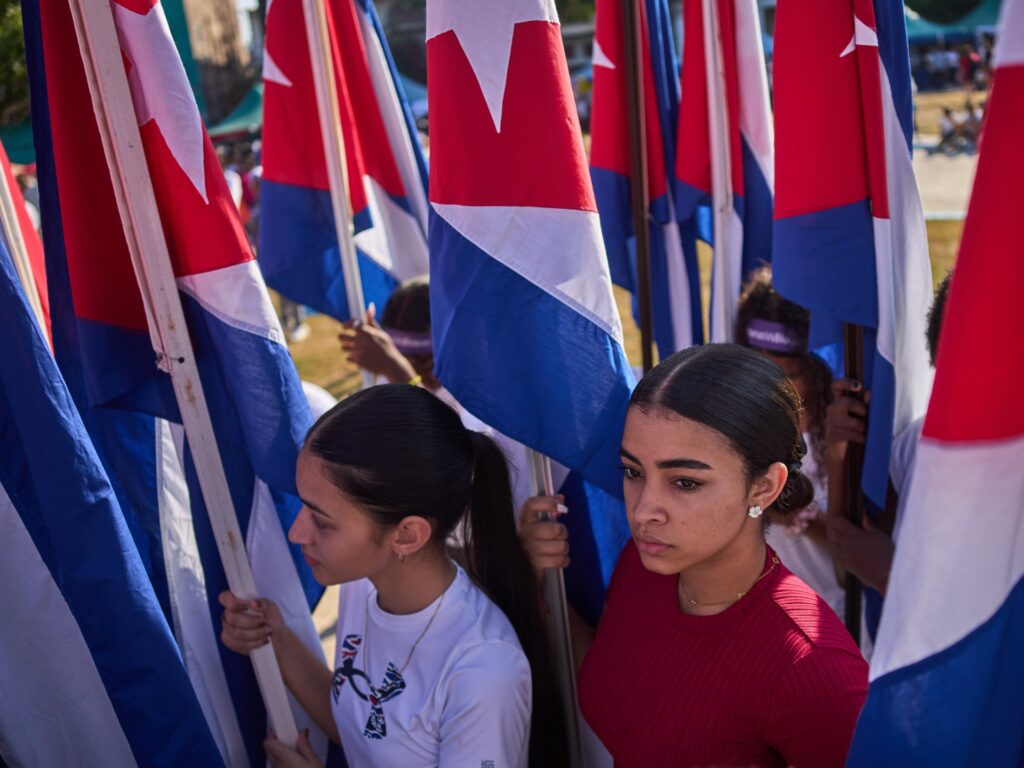
In recent weeks, Cuba has witnessed a series of protests led primarily by women, highlighting the severe impact of the ongoing US energy blockade on the island. The Cuban government and its citizens have vocally condemned the blockade, describing it as a “policy of abuse” that exacerbates the nation’s energy crisis.
The protests are a direct response to the United States’ embargo measures that restrict Cuba’s access to oil and other essential energy supplies. These restrictions have intensified hardships for Cuban families, businesses, and essential services, causing widespread economic strain and societal challenges.
Women, representing a significant segment of the affected population, have taken the forefront in marches and demonstrations, demanding the US government lift the embargo to allow for the vital importation of oil. The activists argue that the blockade not only hampers daily life but also undermines the island’s development and well-being.
The Cuban government has officially organized and supported the protests, urging the international community to recognize the humanitarian impact of the embargo. Officials emphasize that the blockade is a violation of international norms and calls for diplomacy to resolve the ongoing impasse.
Statements from protest leaders highlight the resilience and determination of Cuban women, who have become symbols of resistance in the face of prolonged economic adversity. These demonstrations also aim to draw global attention to the broader consequences of the blockade, including shortages in medical supplies, energy blackouts, and decreased food production.
Analysts note that Cuba’s reliance on oil imports makes the energy blockade particularly damaging, especially amid global energy price fluctuations. Despite these difficulties, the Cuban people continue to organize and advocate for the lifting of sanctions that they claim unfairly target ordinary citizens.
International human rights organizations have voiced concerns over the socio-economic effects of the embargo, urging the US to reconsider its policies in light of humanitarian grounds. The ongoing protests led by women underscore a grassroots call for change and greater equality in accessing necessary resources.
In summary, the sustained protests in Cuba, prominently featuring women marchers, represent a powerful challenge to the US energy blockade. They serve as a poignant reminder of the human cost of long-standing geopolitical conflicts and the urgent need for dialogue and resolution to support the Cuban populace’s energy needs and overall prosperity.