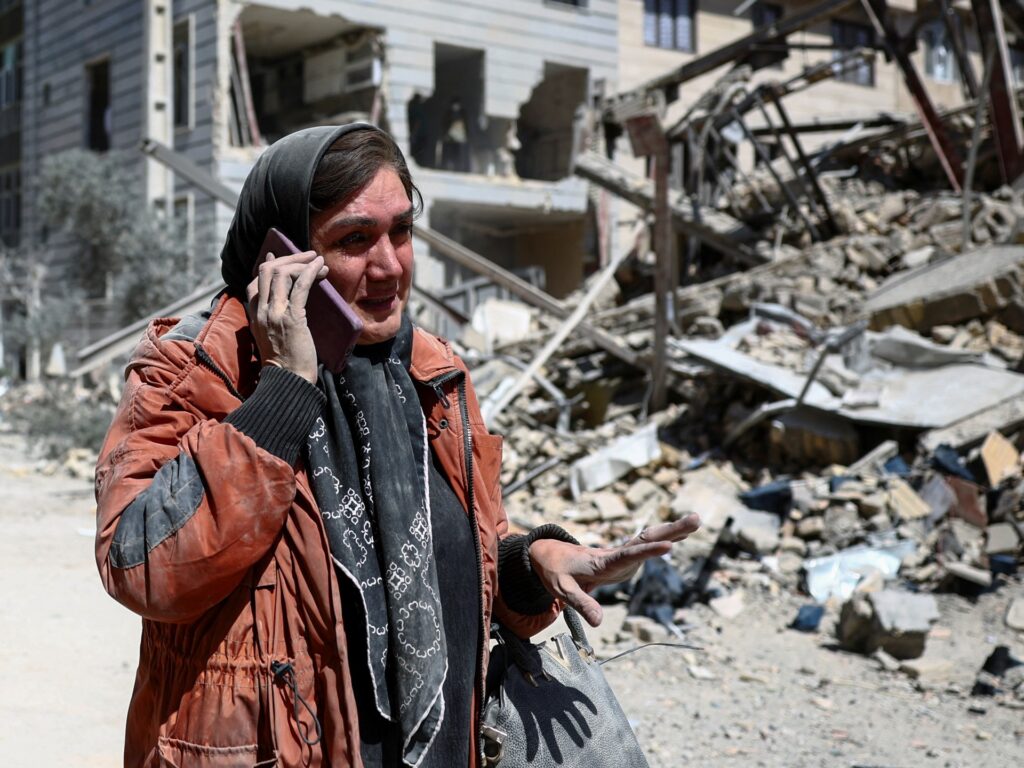
As tensions continue to escalate in the Middle East, a potential breakthrough has emerged with mediators Pakistan, Turkey, and Egypt proposing a 45-day ceasefire plan. This initiative, often referred to in media circles as an attempt at a ‘Bridge Day’ ceasefire, aims to halt hostilities and open channels for diplomatic dialogue. However, the plan faces significant challenges, particularly the reluctance of Iran to endorse this ceasefire.
The geopolitical landscape in the region remains highly complex, shaped by longstanding conflicts and competing interests. Pakistan, Turkey, and Egypt have stepped forward as neutral mediators, seeking to ease the violence and prevent further destabilization. Their 45-day ceasefire proposal is designed as a temporary pause in fighting, providing a window for negotiations that might lead to a more permanent resolution.
Former U.S. President Donald Trump has recently invoked the concept of ‘Bridge Day’ in his rhetoric, urging for a pause in conflict that could potentially lead to peace. His involvement brings a new level of international attention to the ceasefire efforts, although his political stance has historically been polarizing.
The feasibility of this last-ditch ceasefire plan hinges on several critical factors. Key among them is Iran’s stance. Tehran has expressed hesitations and reservations about the ceasefire, citing concerns over the terms and the guarantees that would be put in place to ensure compliance and security for its allies in the region. Iran’s position is pivotal because of its influential role in regional dynamics and its connections with various armed groups.
Analysts believe that, without Iran’s buy-in, the ceasefire risks being ineffective or short-lived. Resistance from Iran could lead to continued hostilities, undermining the efforts of mediators and risking escalation. Conversely, success in securing Iran’s agreement could mark a significant step towards de-escalation and stability.
The international community watches with cautious optimism. Many hope that Pakistan, Turkey, and Egypt can serve as unbiased facilitators who bridge the divides between conflicting parties. Their success would not only alleviate immediate suffering but could also pave the way for longer-term peace initiatives.
Historical precedents illustrate the difficulty of ceasefire enforcement in the region, where mistrust and entrenched grievances often sabotage initial agreements. Therefore, careful planning, monitoring, and support from additional global stakeholders would be essential to sustain any peace accord.
In conclusion, Trump’s invocation of a ‘Bridge Day’ ceasefire underscores the urgency and the complex nature of current Middle East conflicts. The proposed 45-day ceasefire, brokered by Pakistan, Turkey, and Egypt, represents a hopeful yet challenging opportunity. The plan’s success largely depends on persuading Iran to come on board, highlighting the delicate balance of power and diplomacy in the quest for peace.