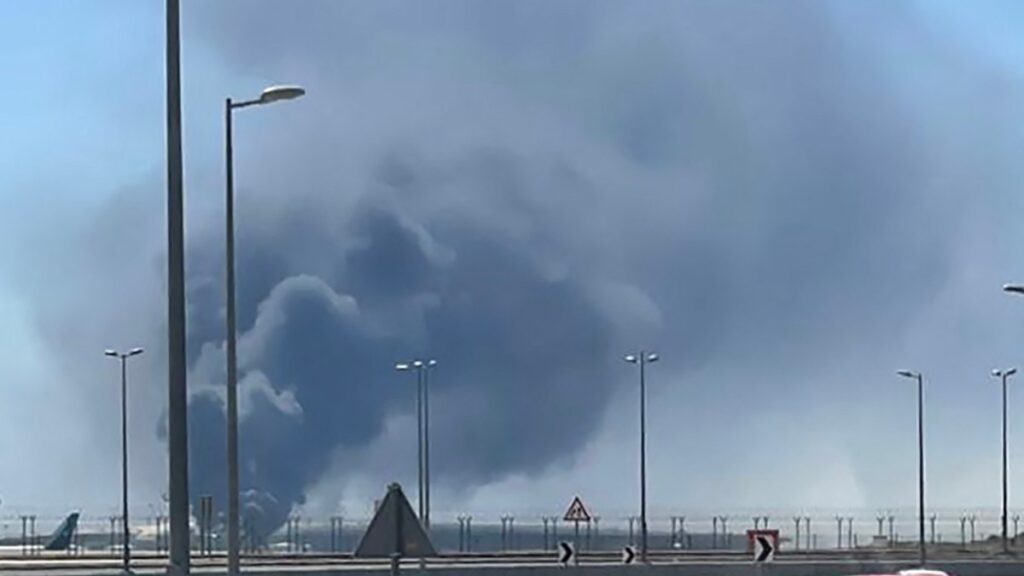
Kuwait’s critical power and water plants have sustained significant damage amid ongoing attacks by Iran on Gulf states. The assaults, part of a series of escalating regional tensions, have also affected neighboring Bahrain and the United Arab Emirates (UAE), where similar attacks led to fires. Authorities in Bahrain and the UAE reported incidents that resulted in fires, which emergency services managed to extinguish swiftly, preventing further damage or casualties.
This wave of aggression has exacerbated already fragile security and stability in the Gulf region, vital for global energy supplies and maritime navigation. Kuwait’s damaged infrastructure has raised concerns about potential disruptions in essential services, highlighting the vulnerability of Gulf states to hostile attacks on their energy and water sectors.
The attacks underscore the complex geopolitical dynamics in the Persian Gulf, where Iran’s actions continue to provoke responses from neighboring countries and international actors. Kuwaiti officials are currently assessing the full extent of the damage and mobilizing resources for repair and reinforcement of the damaged facilities.
Meanwhile, Bahrain and the UAE are enhancing their security measures to prevent further attacks and reassure their populations. Both countries have expressed condemnation of the attacks, calling for regional cooperation and international support to de-escalate tensions and ensure the safety of critical infrastructure.
Experts warn that continued hostilities could severely impact the region’s economic stability and disrupt global oil supplies, as Gulf countries play a significant role in meeting world energy demands. The attacks also pose a risk to the maritime trade routes that pass through the Gulf, which are crucial arteries for international commerce.
In response to the situation, Gulf Cooperation Council (GCC) members have convened emergency meetings to discuss collective security strategies and potential coordinated responses to safeguard their territories and interests. Diplomatic efforts are underway to find peaceful solutions, but the ongoing violence complicates prospects for dialogue.
The international community has voiced concern over the escalating conflict, with calls for restraint and dialogue between Iran and its Gulf neighbors. The United Nations and key global powers have urged all parties to avoid further provocations that could lead to wider regional instability.
As Kuwait works to restore its damaged power and water infrastructure, the broader Gulf region remains on high alert. The attacks serve as a stark reminder of the fragile peace and the high stakes in this strategically critical part of the world.
The situation is evolving, with updates expected as governments and international organizations respond to the unfolding crisis. Ensuring the resilience of Gulf states’ infrastructure against such hostile actions is likely to become a priority for regional policymakers and security planners moving forward.