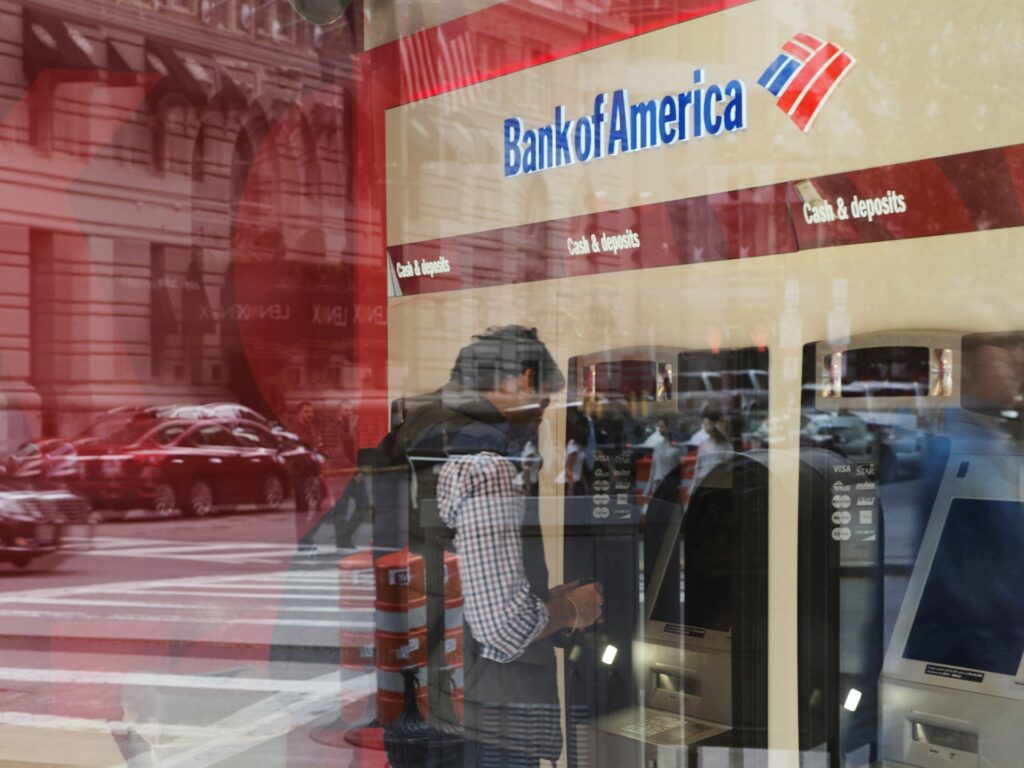
In a significant legal development, Bank of America has agreed to a $72.5 million settlement with survivors of Jeffrey Epstein, marking it as the third major bank to resolve allegations related to facilitating Epstein’s criminal activities. The settlement reflects growing accountability within financial institutions for their roles in enabling Epstein’s operations.
Jeffrey Epstein, a financier and convicted sex offender, was at the center of a sprawling human trafficking and sexual abuse scandal involving numerous underage victims. Various lawsuits have accused several banks of turning a blind eye to Epstein’s suspicious financial activities, which allegedly helped him sustain and expand his criminal network.
Following earlier settlements by other prominent banks, Bank of America’s decision to settle is a critical moment for victims seeking justice and compensation. Lawyers representing the survivors are actively reaching out to potentially eligible victims to participate in the settlement process, aiming to ensure comprehensive support and reparations for those affected.
This settlement not only delivers monetary compensation but also underscores the importance of financial institutions’ responsibility in monitoring and reporting illicit activities in their transactions. The case has sparked a wider conversation about compliance, oversight, and ethical standards in banking.
Victims and advocacy groups have welcomed the settlement as a step toward justice, although many emphasize the need for continued vigilance to prevent future abuses. The involvement of major banks in Epstein’s operations underscores how financial systems can be exploited for criminal endeavors, highlighting systemic vulnerabilities.
As the settlement proceeds, lawyers are urging survivors to come forward and participate in the legal remedy process, ensuring their voices are heard and their experiences acknowledged. The $72.5 million fund represents a concerted effort to address the harm caused and support recovery for those affected by Epstein’s actions.
The broader implications of this settlement raise questions about regulatory reforms and enhanced due diligence in banking practices moving forward. Financial institutions worldwide may face increased scrutiny and pressure to implement stricter controls against money laundering, trafficking, and other criminal activities.
In conclusion, Bank of America’s settlement marks a pivotal moment in the ongoing quest for justice for Epstein survivors. It highlights the crucial role banks play not only in safeguarding financial integrity but also in protecting human rights by preventing the facilitation of exploitation and abuse.