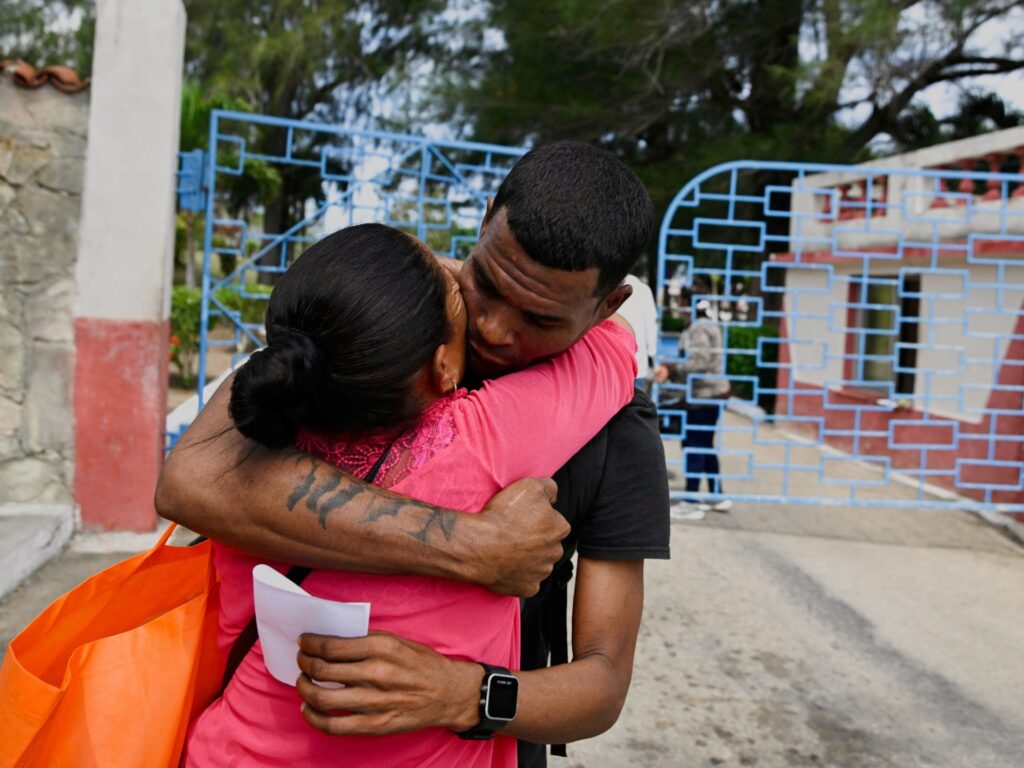
In a significant development, Cuba has pardoned and released over 2,000 prisoners, marking one of the largest mass releases in recent years. This event has been accompanied by emotional scenes across the country, as families and communities reunite with those who had been incarcerated.
The decision comes amid growing political and diplomatic pressure from the United States, which has been urging the Cuban government to improve its human rights record and release political prisoners. The US administration’s calls for Cuba to adopt more open and transparent legal practices appear to have played a critical role in prompting this humanitarian gesture.
Prisoners released include a wide range of individuals, from political detainees to less severe offenders. While details about the selection criteria remain scarce, human rights organizations have cautiously welcomed the move, seeing it as a positive step towards addressing longstanding concerns about Cuba’s justice system.
The emotional atmosphere surrounding the releases was palpable, with many families expressing relief and joy after long periods of separation. Local media covered the scenes extensively, highlighting the profound social impact of the decision.
International observers have noted that this mass release could serve as a starting point for broader reforms in Cuba. Analysts suggest that the government might continue to take steps to ease political tensions and enhance civil liberties in response to international demands.
Despite the optimism, some critics remain skeptical, pointing out that systemic changes are necessary to ensure that future imprisonments are just and equitable. They emphasize that releasing prisoners should be accompanied by legal reforms that guarantee fair trials and protections against arbitrary detention.
The US government has welcomed the release, describing it as a “positive first step” and indicating that it hopes this momentum will lead to further improvements in Cuba-US relations and greater respect for human rights on the island.
This event marks an important chapter in Cuba’s ongoing political and social evolution, reflecting the complex interplay between internal policy decisions and external diplomatic influences. The full impact of the prisoner release on Cuban society and international relations remains to be seen, but it undeniably represents a moment of hope and potential change.
As Cuba continues to navigate its path forward, attention will be focused on the government’s next moves and the response from both domestic and international communities. The mass pardon and release of over 2,000 prisoners stands as a powerful reminder of the human stories behind political decisions and the enduring importance of justice and reconciliation.