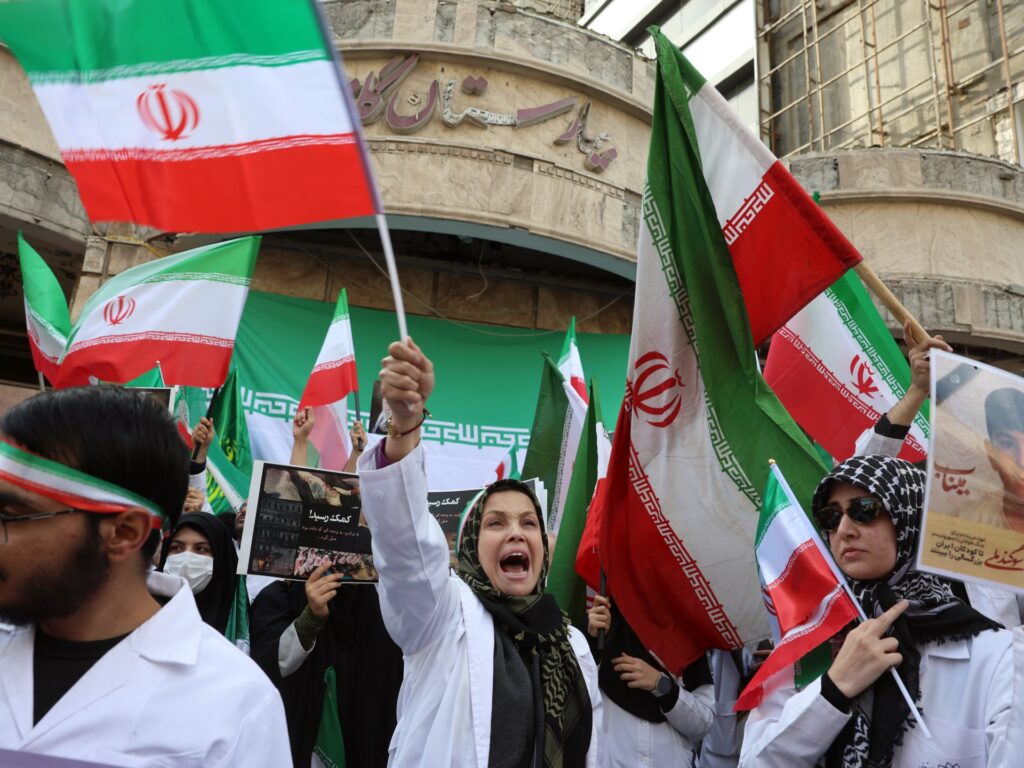
Since March 1, more than 20 attacks have targeted healthcare facilities in Iran, according to the World Health Organization (WHO). The WHO chief, Tedros Adhanom Ghebreyesus, has confirmed that multiple incidents have caused significant disruption to healthcare services in the country. These attacks have raised serious concerns about the safety of medical infrastructure and the delivery of essential health services in the region.
The assault on healthcare facilities is a grave violation of international humanitarian laws and endangers lives both directly and indirectly. Healthcare providers and patients alike face heightened risks due to these targeted acts, which compromise access to medical care.
Tedros Adhanom Ghebreyesus highlighted the urgency of protecting health infrastructure amidst geopolitical tensions. The repeated strikes not only damage buildings and equipment but also hinder the ability of medical staff to respond to emergencies and provide routine care.
In response to the attacks, the WHO has called on all parties involved to respect international conventions safeguarding healthcare institutions. The organization emphasizes that health facilities must remain neutral zones during conflicts, ensuring uninterrupted medical attention for all civilians.
The reported attacks have affected various hospitals and clinics across different provinces in Iran. Damage to critical care units, emergency rooms, and outpatient services has been documented, exacerbating the healthcare challenges in the country.
This spate of attacks comes amid broader conflicts impacting the region, with healthcare workers increasingly caught in the crossfire. The WHO’s report underscores the need for stronger enforcement of protections for healthcare personnel and infrastructure.
Iran’s Ministry of Health has also condemned the attacks, urging immediate actions to prevent further incidents and protect health workers on the frontlines. Collaborative international efforts are being called for to investigate and address these violations.
The disruption caused by these repeated attacks poses a threat to public health outcomes, especially in managing chronic diseases and responding to ongoing public health emergencies. It also risks undoing years of progress in healthcare development and access.
The WHO continues to monitor the situation closely and is working with Iranian authorities to support recovery efforts and bolster the resilience of healthcare systems. Ensuring safe access to healthcare is critical in maintaining public health and advancing global humanitarian principles.
As the international community responds, the WHO stresses the importance of dialogue and conflict resolution to stop violence against health services and to protect human rights.
This troubling trend highlights the vulnerability of healthcare facilities in conflict zones and the desperate need for international cooperation to prevent further harm. Safeguarding health services is paramount to preserving lives and maintaining stability during crises.
The WHO’s findings serve as a critical reminder that attacks on healthcare are attacks on humanity itself. Immediate and comprehensive measures are essential to protect medical facilities, staff, and patients amidst ongoing regional tensions.
As global attention focuses on this issue, it is hoped that increased advocacy and coordinated action will help stem the tide of violence against healthcare in Iran and elsewhere. Protecting healthcare infrastructure must remain a top priority for the international community.