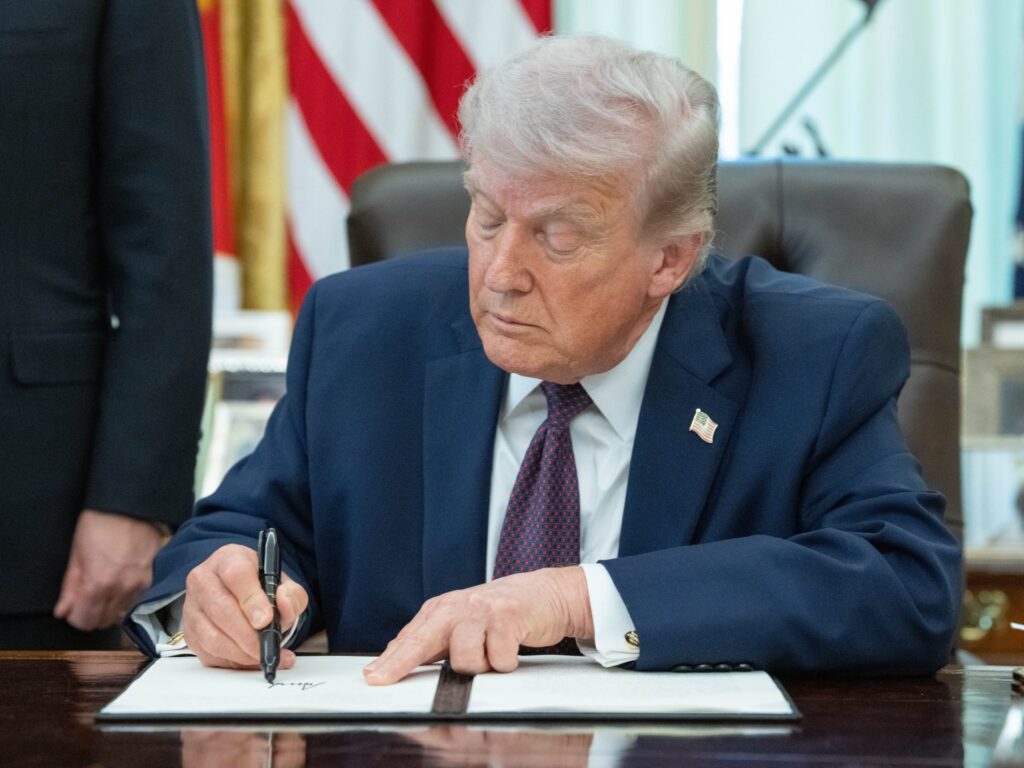
In a significant legal challenge, two dozen Democrat-led states have filed a lawsuit against former President Donald Trump, opposing his attempts to impose restrictions on mail-in ballots ahead of the upcoming midterm elections. This legal action underscores the growing tensions surrounding election administration in the United States and highlights fears that changes could potentially undermine voter access and election integrity.
The lawsuit alleges that Trump’s efforts to limit mail-in voting methods are an attempt to suppress voter turnout, particularly among demographics that have historically favored the Democratic Party. Advocates for voting rights argue that such measures could disenfranchise millions of eligible voters, especially in the context of the ongoing COVID-19 pandemic, where mail-in voting has provided a safer alternative to in-person voting.
Rights groups have expressed serious concerns about the timing and intent of Trump’s policy push. They have warned that altering election rules just months before the midterm elections could lead to confusion and disenfranchisement, thus damaging the democratic process. These groups assert that voting by mail is a critical component of American democracy, particularly for vulnerable populations including seniors, people with disabilities, and those living in rural areas.
The challenge from the Democrat-led states contends that the federal government, under Trump’s direction, is overstepping its authority by attempting to control election procedures traditionally managed by state governments. Election law experts suggest that such federal interference raises significant constitutional questions about states’ rights and the federal government’s role in election administration.
This lawsuit comes amid a backdrop of increased scrutiny of mail-in voting after the contentious 2020 presidential election, where allegations of fraud, though widely discredited by courts and independent audits, led to significant debate and legal battles. Trump’s persistent claims about the vulnerabilities of mail-in voting have prompted legislative and judicial actions across various states aiming to either tighten or defend access to mail-in ballots.
Some states have already enacted new laws that impose stricter identification requirements for mailing ballots or reduce the availability of drop boxes. These laws have been met with both support for enhancing election security and criticism for potentially restricting voter access.
The legal proceedings are expected to draw national attention as they address broader questions about the balance between election security and voter access. The outcome could have long-lasting implications for how elections are conducted in the United States, particularly in an era marked by deep political polarization and heightened concern over election integrity.
State attorneys general leading the lawsuit emphasize that protecting the right to vote is fundamental to democracy. They argue that efforts to impose last-minute changes to voting rules serve political interests rather than the public good.
As the case moves through the courts, it will likely influence legislative agendas and potentially prompt federal courts to clarify the scope of federal versus state authority in election management. Voters, lawmakers, and advocacy groups nationwide are watching closely, aware that the court’s decision may shape the future of voting rights in America for years to come.
This legal battle is part of a broader national conversation on voting rights, election security, and the measures necessary to ensure both the integrity and accessibility of the democratic process. It reflects the ongoing tension in American politics over how to balance competing priorities in election administration amid a highly charged political environment.