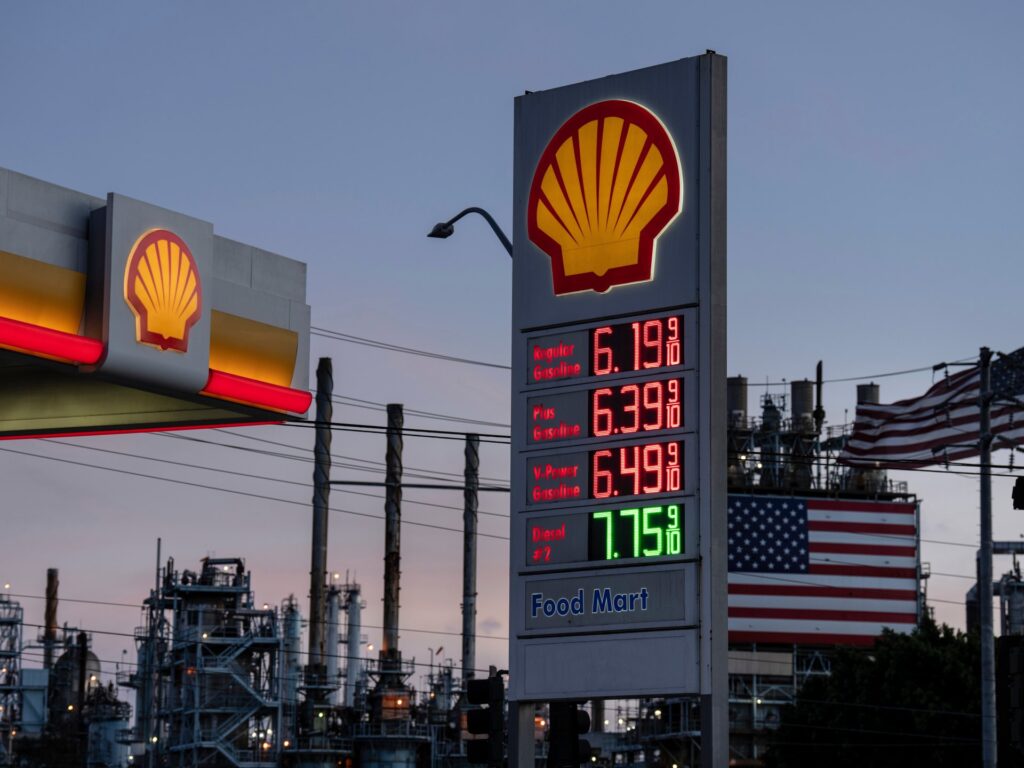
The global oil markets experienced a sharp surge in prices following recent remarks by former U.S. President Donald Trump, who vowed to continue attacks against Iran. This development has sent ripples across international financial markets, particularly affecting Asian economies. Following Trump’s statement, oil prices soared due to increased geopolitical tensions in the Middle East, driving concerns about supply disruptions.
Asian stock markets reacted negatively to the surge in oil prices. Markets across Southeast Asia, heavily reliant on oil imports, faced significant declines. Countries such as Indonesia, Malaysia, Thailand, and the Philippines saw their major stock indices dip as investors grew wary of the potential economic impact of higher energy costs.
The region’s dependence on energy imports makes it especially vulnerable to fluctuations in oil prices. Rising oil costs translate into increased production and transportation expenses, which can slow economic growth and erode corporate profits. Investors, anticipating these effects, moved to reduce exposure to Asian equities, resulting in widespread selling pressure.
Financial analysts noted that the current geopolitical tensions exacerbated by Trump’s confrontational stance with Iran have increased market volatility. The prospect of further military action or sanctions could disrupt global oil supply routes, pushing prices even higher.
In addition to the immediate market reaction, economists warn of potential long-term consequences for Asian economies. Higher oil prices may spur inflation across the region, affecting consumer spending and overall economic stability. Central banks may face pressure to adjust monetary policies to counteract inflationary pressures, introducing further uncertainty.
The oil price surge also highlights the interconnectedness of geopolitical developments and global financial markets. Southeast Asian nations, reliant on stable energy prices for economic growth, must navigate this precarious environment carefully.
Experts suggest that Asian countries accelerate efforts to diversify their energy sources and improve energy efficiency to reduce vulnerability to such shocks. Governments are also encouraged to maintain strategic petroleum reserves and strengthen regional cooperation to mitigate risks.
Meanwhile, investors remain cautious as the situation unfolds. Market participants will closely monitor further developments in U.S.-Iran relations and their implications for oil prices and economic performance.
In summary, the recent spike in oil prices following Trump’s vow to continue attacks on Iran has led to notable declines in Asian stock markets, underscoring the delicate balance between geopolitical events and economic stability in the globalized world.