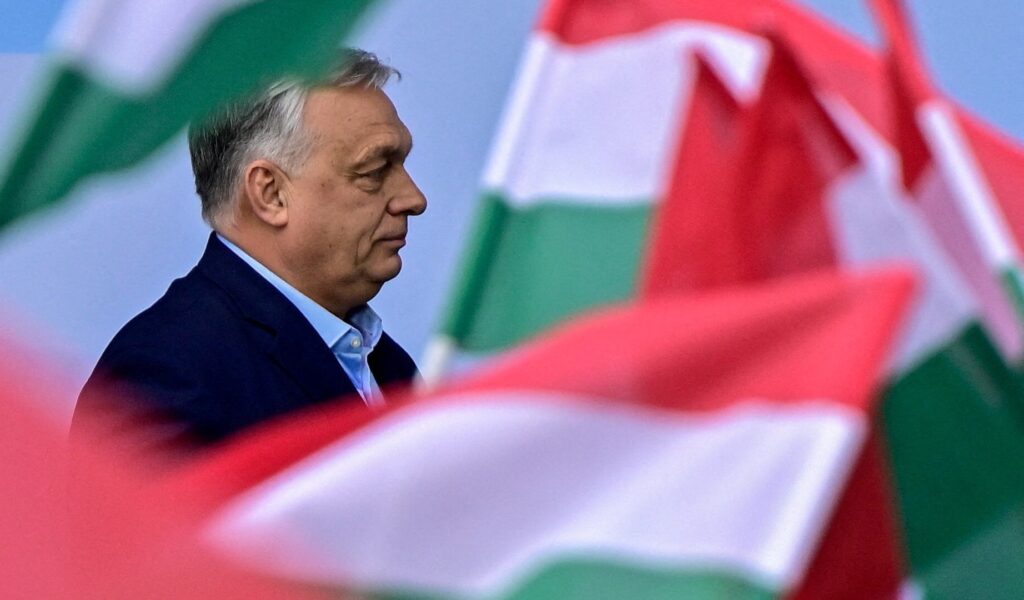
As Hungary prepares for its upcoming national election, Europe watches with a mix of anxiety and anticipation. The continuous veto actions by Prime Minister Viktor Orban have not only shaped Hungary’s political landscape but also caused ripples throughout the European Union. Orban, a prominent figure in Central European politics, is known for his nationalist policies and his often contentious relationship with Brussels, frequently employing his veto power to push back against EU-wide initiatives that conflict with his agenda.
Observers note that while the mechanics of the election, such as voter turnout and electoral outcomes, remain important, the election’s psychological impact could be more significant. Orban’s ongoing use of vetoes has highlighted deep divisions within the EU, testing the unity of member states and challenging the cohesion of EU policies.
The election could reinforce or challenge Orban’s hold on power, affecting Hungary’s trajectory within Europe. A win might embolden Orban to continue his confrontational stance, potentially leading to more stalemates in EU decision-making. On the other hand, a shift in political leadership could pave the way for a more cooperative relationship with the EU and alter Hungary’s internal policies.
Europe’s broader concern lies in the message the election sends about democratic governance and the rule of law within its borders. Orban’s tenure has been marked by accusations of undermining judicial independence, curtailing media freedom, and restricting civil society. Therefore, the election result is seen not only as a national event but as a referendum on these issues with implications for the entire EU.
As polls suggest a tight race, all eyes are on Hungary. European leaders are preparing for all possible outcomes, understanding that the election’s repercussions will extend beyond Hungary’s borders. The continent anticipates the election not merely for its practical governmental shift but as a crucial moment that could redefine Europe’s political equilibrium in the years to come.