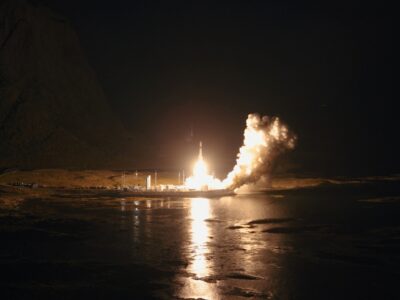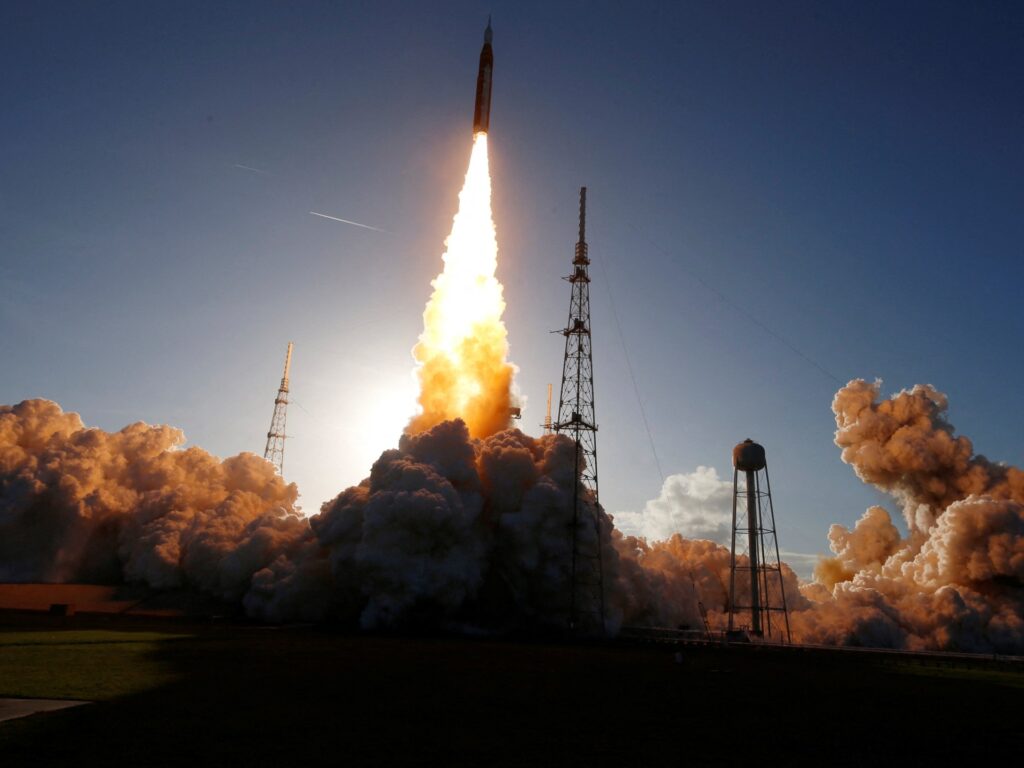
NASA has made a monumental leap forward in human space exploration with the successful launch of the Artemis II mission, marking a pivotal step toward returning humans to the moon. This historic mission signifies NASA’s commitment to advancing lunar exploration and lays the groundwork for future manned missions to Mars.
Artemis II follows the uncrewed Artemis I mission and will be NASA’s first crewed mission in the Artemis program, aiming to orbit the moon and safely return astronauts to Earth. The mission serves as a crucial test of NASA’s Space Launch System (SLS) rocket and the Orion spacecraft, designed to carry humans deeper into space than ever before.
The launch was met with widespread excitement and anticipation, as it represented not just a technological achievement but also a powerful symbol of human curiosity and the spirit of discovery. The astronauts aboard Artemis II will perform critical systems checks, demonstrating the spacecraft’s capabilities to support human life during extended space missions.
This mission is an essential milestone in NASA’s broader strategy to establish a sustainable human presence on the moon, creating opportunities for scientific research, technology development, and international collaboration. Insights gained from Artemis II will inform future missions, including Artemis III, which aims to land astronauts on the lunar surface.
Beyond the moon, Artemis II is part of NASA’s long-term vision to send humans to Mars. The experience and technology developed through the Artemis program will provide the foundation for interplanetary travel, exploring new frontiers and expanding humanity’s reach within our solar system.
The success of Artemis II underscores the importance of continued investment in space exploration and international partnerships. It inspires a new generation of scientists, engineers, and explorers dedicated to pushing the boundaries of human knowledge and capability.
NASA’s Artemis II mission not only highlights the technological prowess and innovation of the United States but also rekindles the age-old human dream of exploring the cosmos. As the spacecraft orbits the moon, it symbolizes a bridge between past achievements and future aspirations, paving the way for a new era of space exploration that could unlock the mysteries of the solar system and beyond.