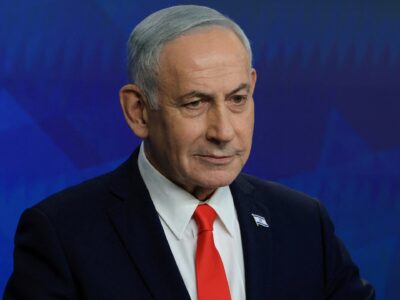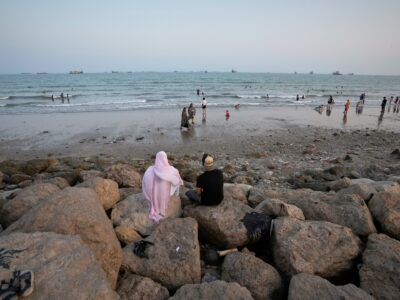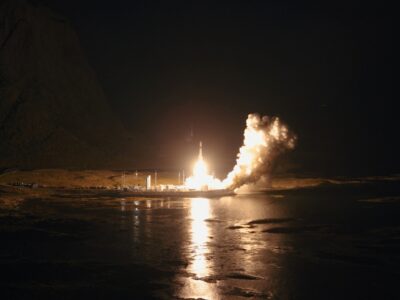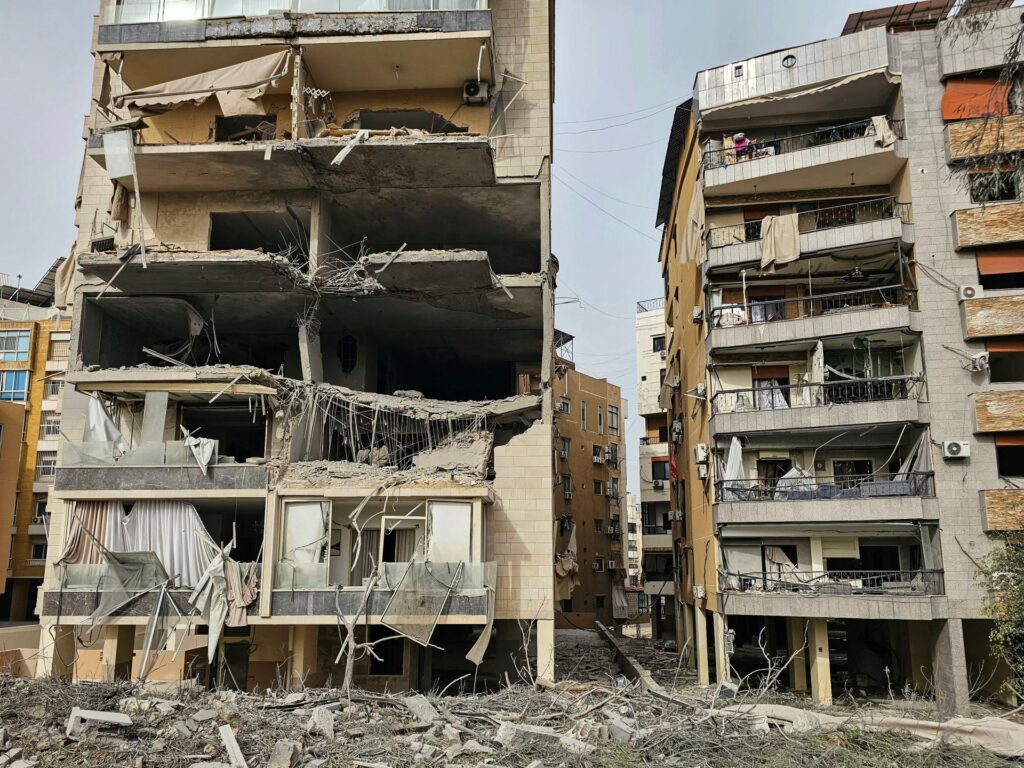
In a recent escalation of tensions in the Middle East, the Israeli military has conducted targeted attacks in Beirut, resulting in the deaths of seven people. According to official Israeli statements, the operation aimed to eliminate a senior Hezbollah commander believed to be crucial to the militant group’s operations. This attack reflects ongoing hostilities between Israel and Hezbollah, the Lebanese Shia Islamist political party and militant group.
The incident has further inflamed the volatile situation in Lebanon, particularly in the southern regions where Hezbollah has a strong presence. Following the strike in Beirut, Hezbollah forces reported engaging in active resistance against what they describe as an Israeli invasion attempt in the south of Lebanon.
These developments are part of a broader pattern of conflict between Israel and Hezbollah, which has seen numerous flare-ups over the years. The militant group, supported by Iran and Syria, wields significant power in Lebanon both politically and militarily, and it views Israel as an adversary.
The Israeli government’s assertion that they targeted a high-value Hezbollah commander highlights the ongoing intelligence war and strategic strikes aimed at curbing Hezbollah’s capabilities. However, the strikes have caused civilian casualties, leading to international concern and calls for restraint from multiple global actors.
The situation remains highly fluid, with fears that continued clashes could escalate into a larger conflict. Both Israel and Hezbollah have engaged in various degrees of military readiness, and the local populations in affected areas have been caught in the crossfire.
Lebanese authorities and international organizations have condemned the violence and urged both sides to de-escalate tensions. Neighboring countries and world powers are closely monitoring the unfolding events, given their implications for regional stability.
The recent killings in Beirut and subsequent fighting in south Lebanon underscore the fragile nature of peace in the region. The Israeli action against Hezbollah not only reinforces the enduring enmity but also raises questions about the prospects for lasting peace in a region that has witnessed decades of conflict.
Diplomatic efforts continue behind the scenes, but with militant actions on the rise, the path to a peaceful resolution appears uncertain. The international community remains hopeful for dialogue and negotiation to prevent further loss of life and to promote stability in Lebanon and beyond.
As the situation develops, concerned parties worldwide call for measured responses to avoid a full-scale war that could exacerbate the already complex geopolitical landscape in the Middle East.