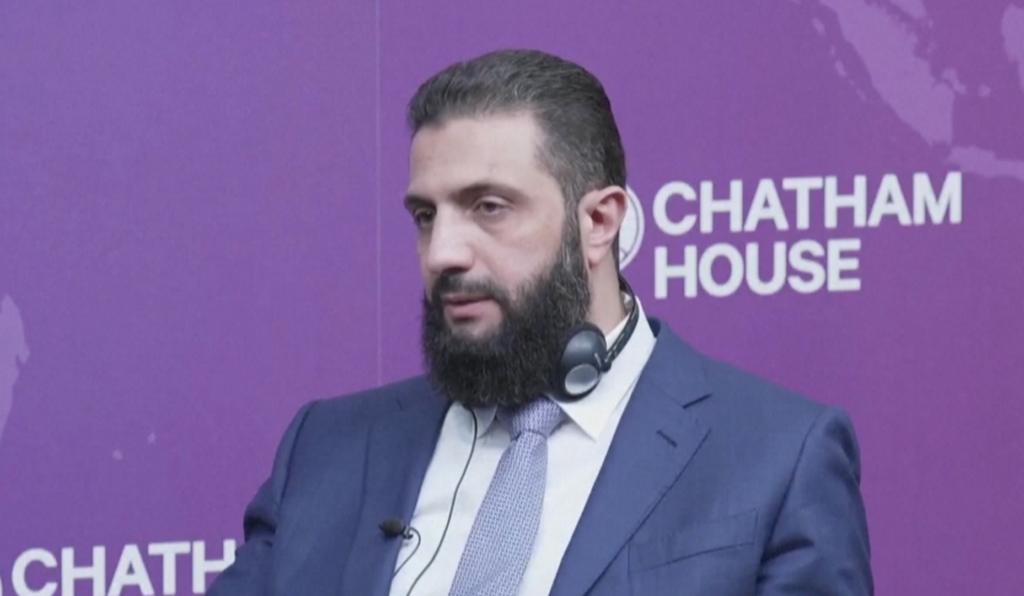
Ahmed al-Sharaa, a prominent Syrian political figure, has publicly stated that Syria will continue to avoid involvement in the ongoing conflict between the United States, Israel, and Iran. He emphasized that after 14 years of devastating war and turmoil within Syria, the country has endured enough suffering and is committed to maintaining its stance of non-engagement unless directly attacked.
Al-Sharaa’s comments come amid heightened tensions in the Middle East, where the US and Israel have been conducting strategic operations against Iranian interests and proxies in the region. Despite Syria’s historical alliance with Iran, the Syrian official reaffirmed the government’s desire to focus on internal reconstruction and peace rather than being drawn into external conflicts.
Highlighting the prolonged agony faced by Syria over more than a decade, al-Sharaa noted that the nation’s primary concern remains national recovery. The Syrian conflict, which has lasted for 14 years, has caused immense human and economic damage. The government’s position, as articulated, is to avoid further violence and not escalate the regional war dynamics unless Syria’s sovereignty is directly threatened.
This stance marks an important signal to both allies and adversaries that despite Syria’s geopolitical alignments, it prioritizes its own stability and reconstruction efforts above participation in the broader US-Israeli confrontation with Iran. Syria’s official spokesperson stressed that the country seeks peace and will uphold this position firmly.
Analysts believe that Syria’s decision to stay out of the US-Israeli war on Iran unless attacked reflects a pragmatic approach by Damascus, considering the depletion of resources and the urgent need to rebuild war-torn areas. The statement also highlights Syria’s desire to de-escalate tensions in a region already fraught with conflict.
In conclusion, Ahmed al-Sharaa’s declaration underscores Syria’s determined focus on peace and reconstruction after years of conflict, signaling a clear message against involvement in regional power struggles unless directly threatened. This development is crucial for understanding the evolving dynamics of Middle Eastern geopolitics and Syria’s role within it.