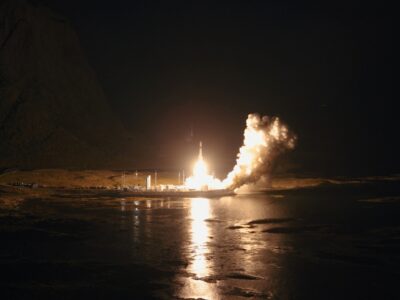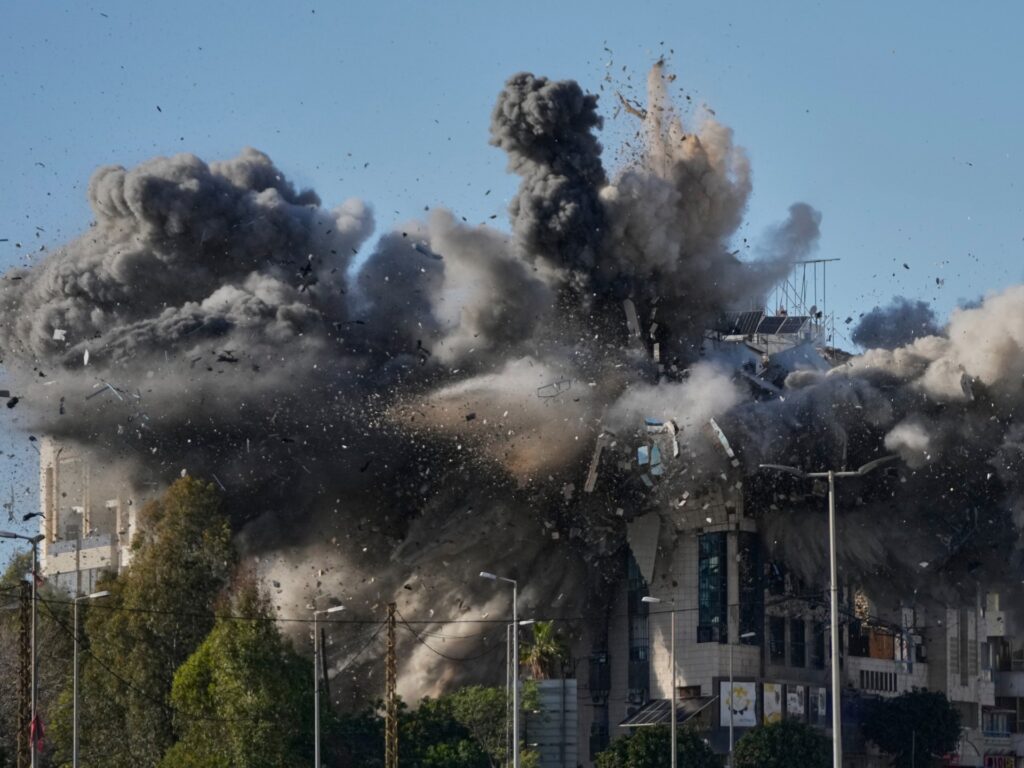
The ongoing conflict involving Iran has escalated further as US and Israeli forces continue their strategic strikes across the country. A significant target in recent operations has been the steel plants located in Isfahan, a city known for its industrial importance. Alongside these infrastructure hits, pharmaceutical companies in Isfahan and Farokhshar have also been targeted, reflecting a broad spectrum of the offensive meant to cripple Iran’s industrial capabilities.
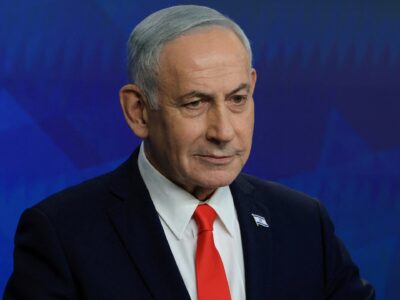
These latest attacks come amid rising tensions and have drawn sharp reactions from various political figures worldwide. Notably, former US President Donald Trump weighed in on the situation, declaring any existing deal with Iran ‘irrelevant.’ This statement signals potential difficulties ahead for diplomatic resolutions and underscores the complexity of relations between Iran and the Western powers.
The strikes on Iran’s steel production facilities aim to diminish the country’s ability to manufacture weapons and other critical materials, thereby limiting its military capabilities. Isfahan’s steel industry is crucial not just for domestic consumption but also for its role in supporting Iran’s broader defense infrastructure.
Similarly, the targeting of pharmaceutical companies, particularly those in Farokhshar, poses a strategic move to disrupt Iran’s healthcare and supply chains. These moves indicate a focus beyond direct military engagement, aiming to weaken Iran’s overall resilience in responding to continued pressures.
The international community watches closely, as these developments could further destabilize the region and escalate an already tense geopolitical situation. Countries with vested interests in Middle East stability have expressed concerns about the humanitarian impact and the potential for wider conflict stemming from these strikes.
Despite the attacks, Iran has vowed to respond decisively to protect its sovereignty and interests. The government in Tehran has called for unity and resilience among its people, emphasizing that the nation remains steadfast in the face of external aggression.
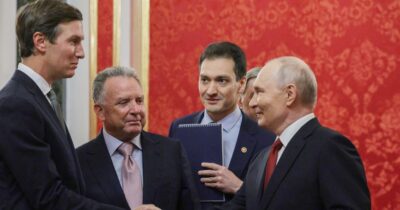
Diplomatic efforts, though challenged by harsh rhetoric and military moves, continue amid fears that the conflict could spill over beyond Iran’s borders. Observers fear disruptions in global markets, particularly in energy supplies, given Iran’s significant role in oil exports.
As the situation evolves, the international community is urged to prioritize diplomatic dialogue to prevent further escalations. The strikes on industrial sectors like steel and pharmaceuticals underscore the multifaceted nature of modern conflict where economic and infrastructural targets are as crucial as traditional military objectives.
The coming days will be critical in determining whether these attacks will lead to prolonged conflict or push stakeholders towards renewed negotiations. Meanwhile, the operational capability and resilience of Iran’s industrial sectors under attack will be closely monitored to assess the long-term impact.
In summary, the recent US-Israeli strikes on Iran’s industrial heartlands and the political declarations from global figures highlight a complex and volatile phase in Iran’s conflict, combining military action with strategic economic targeting. The global implications remain significant, and the path forward is uncertain as the world watches closely.