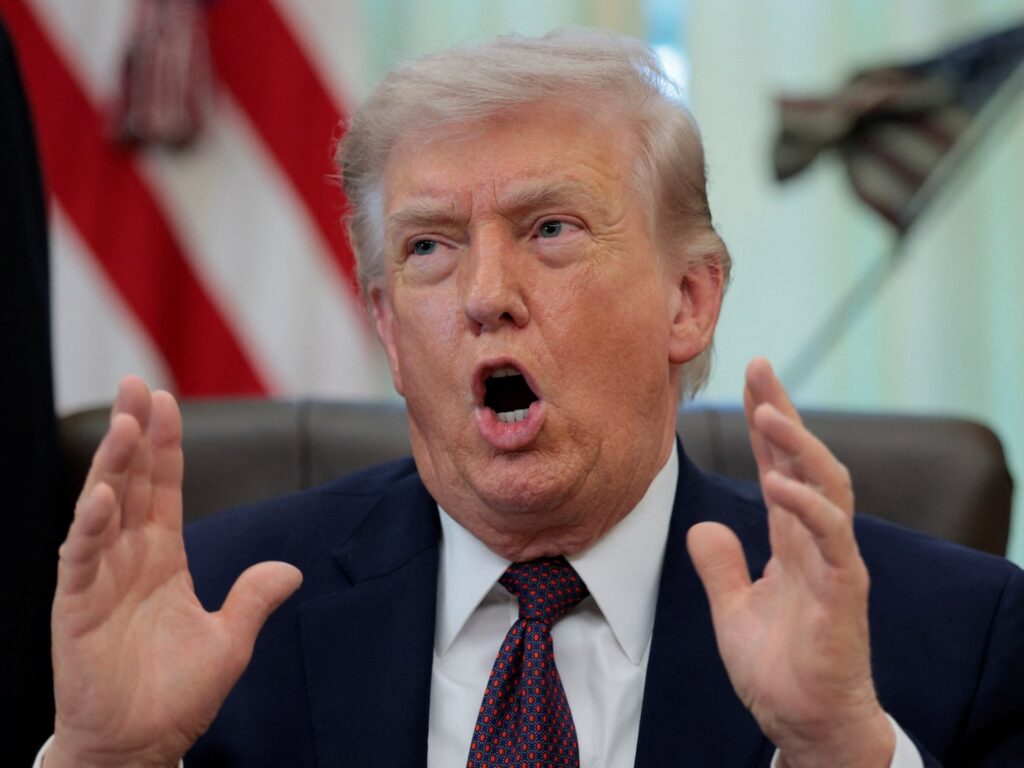
In a recent statement reflecting his strong stance on the escalating tensions with Iran, President Donald Trump advised America’s allies to “get your own oil,” signaling a reluctance to extend US resources to manage the energy shortage triggered by rising petrol prices domestically. His comments come amid growing economic pressures at home and continuous scrutiny over America’s foreign policy in the Middle East.
Trump expressed confidence that the potential conflict with Iran could be resolved swiftly, projecting that the war might conclude within 2 to 3 weeks without the need for a formal deal. This assertion suggests the administration’s preference for a limited engagement or rapid resolution strategy, contrasting with more prolonged military involvements seen in past conflicts.
His remarks highlight a shift in expectations, emphasizing self-reliance among US allies to handle their energy needs rather than depending on American intervention. This stance comes as petrol prices soar across the United States, putting additional strain on the president’s approval ratings and generating public debate about the administration’s handling of the energy crisis.
The president’s suggestion that a formal agreement is unnecessary to end the conflict indicates a desire to expedite resolution through direct or limited military actions, diplomatic pressure, or other means besides prolonged negotiation. Analysts interpret this as an effort to reassure the American public and allies of an imminent conclusion to hostilities, aiming to restore stability in the region and the global oil markets swiftly.
While the Trump administration remains firm on its approach, the global community watches closely as the situation between the US and Iran develops. Oil markets are notably sensitive to geopolitical instability, and the president’s call for allies to secure their own oil supplies reflects an awareness of the broader implications of ongoing tensions.
This approach defies the traditionally collaborative efforts among allies to ensure energy security and marks a significant pivot in US foreign policy rhetoric and strategy amid rising international uncertainties.
In summary, President Trump’s recent statements underscore a complex balancing act between managing domestic economic challenges and navigating international conflicts. As petrol prices continue to climb, his call for allies to assume greater responsibility for their energy needs, coupled with the optimistic timeline for ending conflict with Iran, sets the stage for a tense but potentially brief confrontation that could reshape regional dynamics and US foreign relations in the near term.