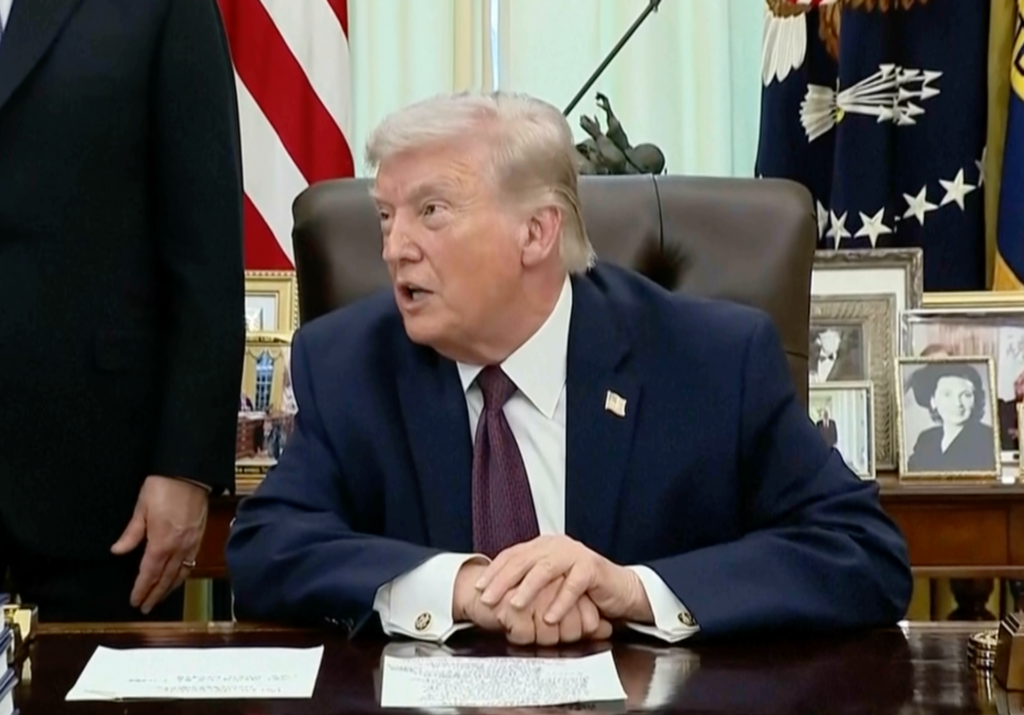
In a recent statement made in the Oval Office, US President Donald Trump announced that the United States could be withdrawing its presence from Iran within the next two to three weeks. Speaking to reporters, President Trump emphasized the timeline, suggesting an imminent change in US policy regarding its involvement in Iran. This announcement marks a significant development in US foreign relations and has drawn considerable attention from international observers and political analysts alike.
The potential withdrawal reflects ongoing shifts in US diplomatic strategies and military commitments in the Middle East. It raises questions about the future of US-Iran relations, regional stability, and the broader geopolitical landscape. Experts are evaluating the implications of such a move, particularly how it might affect alliances, security arrangements, and economic ties in the area.
President Trump’s declaration has sparked diverse reactions domestically and internationally. Supporters of the president have hailed the statement as a positive step toward reducing US military engagements abroad and focusing on domestic priorities. Critics, however, caution that a hasty withdrawal could lead to power vacuums or destabilize the region further.
Historically, US involvement in Iran has been marked by complex interactions ranging from diplomatic negotiations to sanctions and military confrontations. The announcement comes amid ongoing tensions and negotiations concerning nuclear programs, regional influence, and security concerns.
The timeline specified by President Trump suggests that preparations for withdrawal may already be underway or that decisions are imminent. The administration is expected to outline further details in the coming days regarding the scope, logistics, and repercussions of the move.
International community members, including allied nations and regional actors, are closely monitoring the situation. The announcement’s impact on global diplomatic relations and economic markets, particularly those related to energy and trade, is an emerging area of focus.
As the situation unfolds, stakeholders across the political spectrum are calling for careful consideration of the consequences of the US departure from Iran. The development underscores the fluid nature of international relations and the importance of strategic planning in addressing complex global issues.
In summary, President Donald Trump’s indication that the US may leave Iran within two to three weeks signals a potential turning point in American foreign policy. The coming weeks will be critical in determining the actual implementation and worldwide repercussions of this significant announcement.