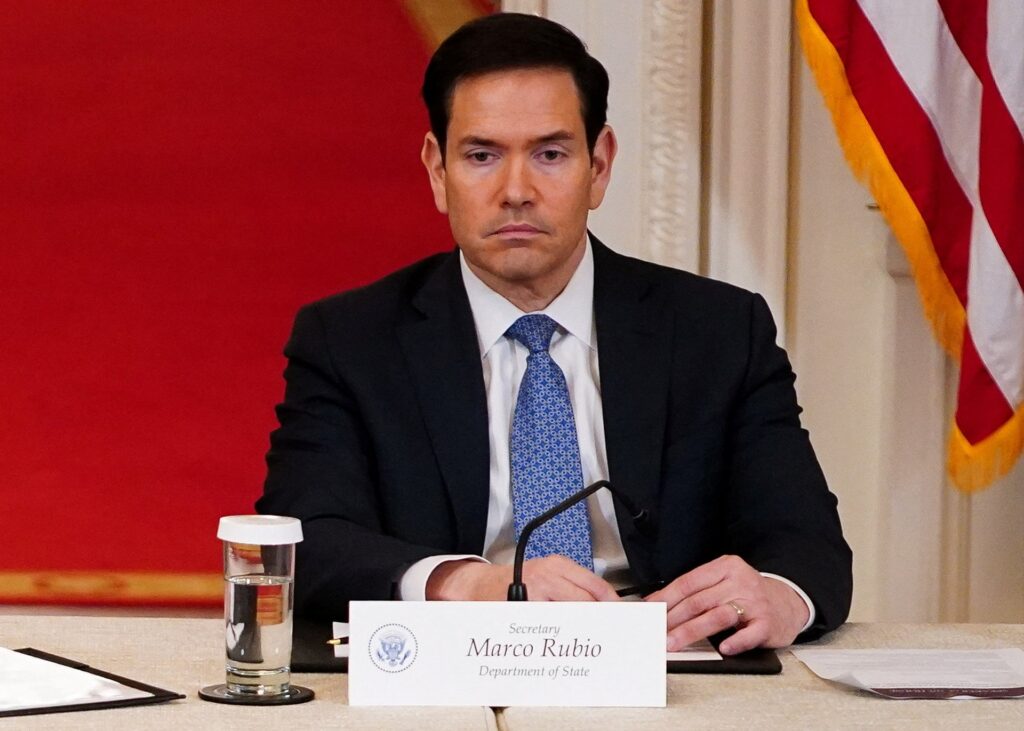
In a recent interview with Al Jazeera, US Secretary of State Marco Rubio shared insightful perspectives on the ongoing conflict in Iran and the United States’ stance and objectives regarding the war. His comments shed light on the complexities of the situation and the strategic considerations driving US policy.
Rubio emphasized that the US is deeply concerned about the escalating violence in Iran and the regional instability it has caused. According to him, the war in Iran is not just a domestic issue but has far-reaching consequences affecting global security and economic stability, particularly in the Middle East.
A major point Rubio raised was the importance of international cooperation in addressing the conflict. He called for a united front among Western allies and regional partners to isolate Iran’s regime economically and diplomatically, aiming to pressure it into compliance with international norms.
On the objectives of the US in this conflict, Rubio underlined that the primary goal is to curb Iran’s capacity to destabilize the region. This includes restricting Tehran’s military capabilities, preventing the development of nuclear weapons, and halting support for militant groups.
Additionally, Rubio highlighted the humanitarian aspect, mentioning the need to protect Iranian civilians who are suffering due to the ongoing war. He advocated for increased humanitarian aid and international support for refugees and displaced persons.
The interview also touched upon the diplomatic avenues available. Rubio expressed cautious optimism about negotiations but warned that meaningful dialogue requires Iran to demonstrate a genuine commitment to de-escalation and peace.
He criticized the Iranian government’s harsh crackdown on protesters and called for accountability for human rights violations. Rubio stressed that the US will continue to support democratic movements within Iran aiming for greater freedoms and reforms.
Furthermore, Rubio addressed the economic sanctions imposed on Iran, explaining their role as a critical tool to limit the regime’s resources. He acknowledged the sanctions’ wider economic impact but insisted they are necessary to achieve long-term goals.
Rubio also spoke about the challenges in dealing with Iran’s strategic alliances, including support from countries like Russia and China. He noted the complexities such alliances create in forming effective international responses.
The discussion brought to light the importance of clear communication and transparency in US foreign policy toward Iran. Rubio affirmed the US commitment to keeping allies informed and coordinated in their approach.
In conclusion, Rubio’s interview with Al Jazeera provides a comprehensive overview of the US perspective on the Iran war. His candid comments underscore the multifaceted nature of the conflict, highlighting the blend of military, diplomatic, and humanitarian efforts being pursued.
As the situation evolves, ongoing dialogue and strategic partnerships will be critical in seeking a resolution and promoting stability in the region. Rubio’s insights contribute to a better understanding of the current dynamics and the US role in navigating this complex conflict.