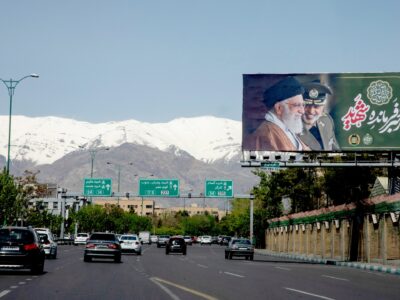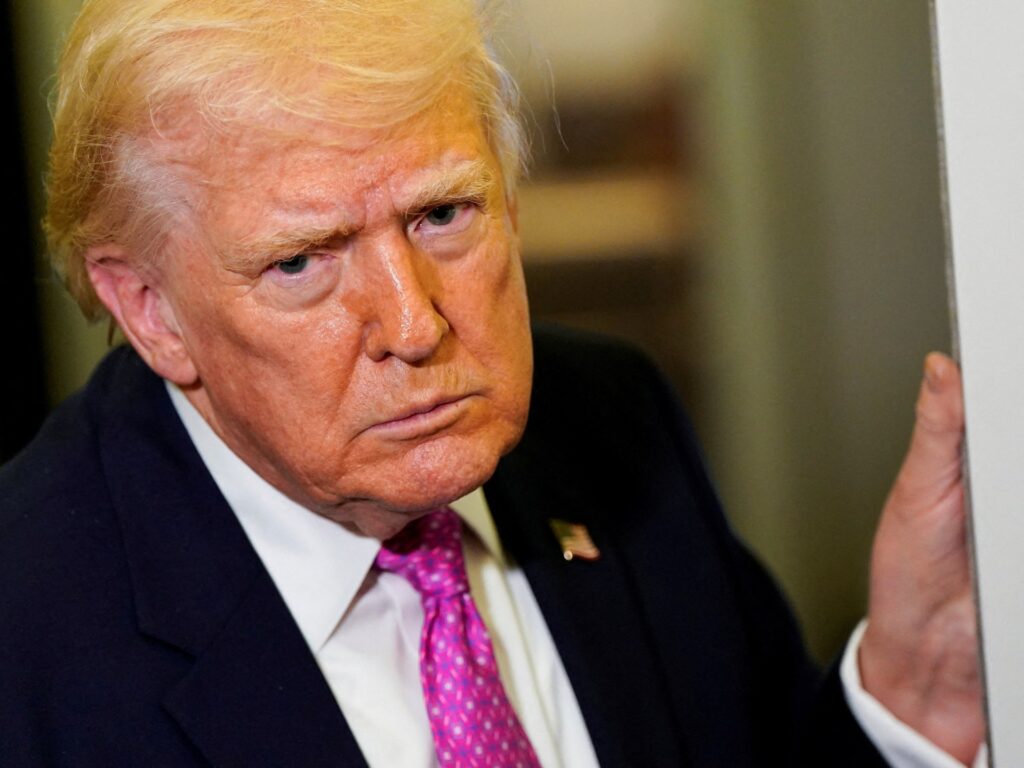
In a provocative escalation amid ongoing tensions between the United States and Iran, former U.S. President Donald Trump has threatened to “blow up” desalination plants in Iran if no diplomatic deal is reached. This statement marks a stark warning with potential implications for international relations and highlights the delicate nature of negotiations between the two countries.
Desalination plants are critical infrastructure facilities that provide clean drinking water by removing salt and other impurities from seawater. These plants are vital for Iran, a country that faces significant water scarcity issues. The destruction of such facilities would not only disrupt water supplies but also have devastating humanitarian consequences for millions of civilians.
Legal experts have immediately voiced concerns regarding the legality of targeting civilian infrastructure. A noted international law specialist described such attacks as “collective punishment,” which is explicitly prohibited under the laws of war and international humanitarian law. Collective punishment involves penalizing a population or group for actions they did not individually commit, and it is condemned worldwide due to its indiscriminate and severe impact on non-combatants.
The threat comes amid stalled negotiations presumably tied to Iran’s nuclear program and broader geopolitical tensions in the Middle East. Analysts point out that attacking desalination plants would not only violate international law but also escalate conflict, potentially triggering retaliatory actions and further destabilizing the region.
Human rights organizations have also condemned the threat, emphasizing the importance of protecting civilian infrastructure and populations in times of conflict. They warn that such acts could amount to war crimes and call on all parties to recommit to peaceful dialogue and diplomatic resolution.
Iranian officials have yet to respond directly to Trump’s specific threat, but they have consistently condemned foreign threats and interventions in their domestic affairs. The Iranian government maintains that it will defend its sovereignty and infrastructure against any attacks.
The international community remains watchful as these developments unfold. Many leaders and diplomats advocate for renewed diplomacy and caution against rhetoric that fuels conflict. The situation underscores the fragile balance between national security interests and adherence to international laws designed to protect civilians in conflict zones.
As negotiations proceed, the world faces critical questions about how to manage escalating rhetoric and avoid actions that could lead to broader violence. The threat to target desalination plants stands as a sobering reminder of the high stakes involved, emphasizing the urgent need for dialogue, restraint, and adherence to the principles of international law to safeguard peace and human welfare in the region.