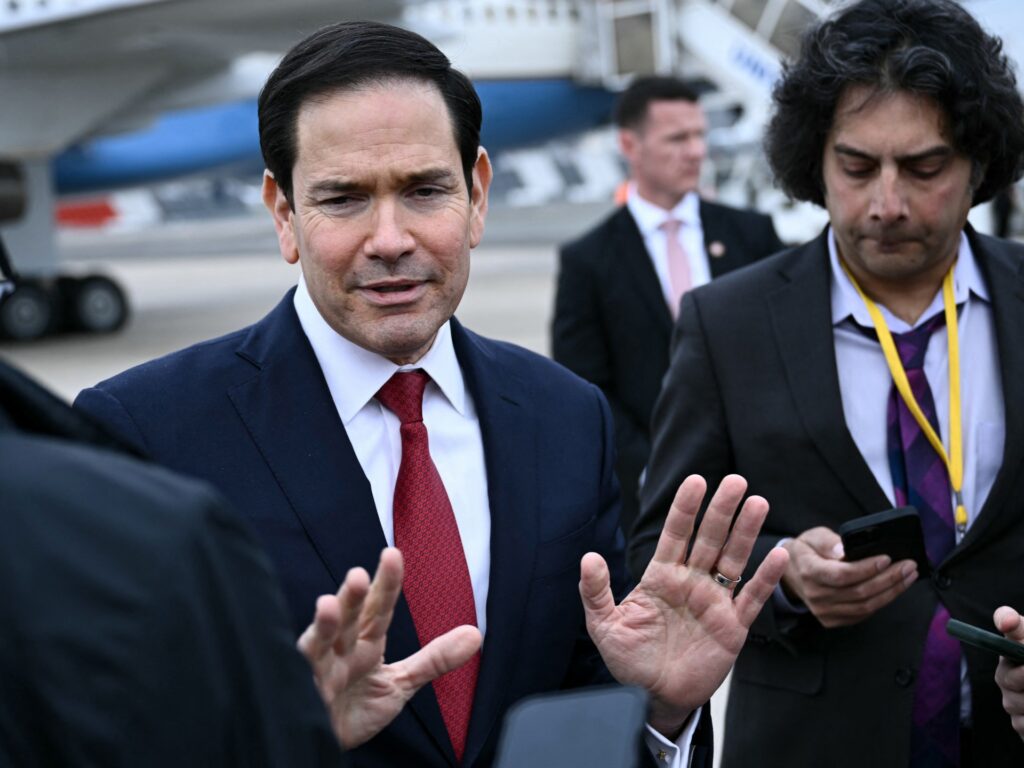
In an exclusive interview, a leading US diplomat, Senator Marco Rubio, expressed firm confidence that the Strait of Hormuz, a crucial maritime passage, will reopen ‘one way or another.’ This statement comes amid rising tensions in the region, particularly concerning Iran’s nuclear and missile programs.
Rubio emphasized that the primary approach of the Trump administration is rooted in diplomacy. The US is actively seeking negotiations and peaceful resolutions to the ongoing conflicts, particularly focusing on Iran’s actions. However, Rubio underscored that diplomacy comes with firm demands: Iran must end its nuclear and missile programs.
The Strait of Hormuz is a strategically vital waterway, through which a significant portion of the world’s oil shipments pass. Its closure or disruption has far-reaching implications for global energy markets and international security.
The US has expressed increasing concerns over Iran’s nuclear ambitions and missile capabilities, which it views as destabilizing factors in the region. In response, the administration has imposed sanctions and heightened military presence to deter aggressive moves.
Rubio’s comments reflect an effort to reassure both regional allies and international partners that the United States remains committed to securing freedom of navigation through the Strait, while also pursuing diplomatic channels to resolve the crisis.
The diplomat’s remarks come amidst reports of heightened military maneuvers near the Strait and increased rhetoric from Iran. Despite these challenges, the US is pushing for a diplomatic solution that could involve negotiations or international pressure to compel Iran to comply with international demands.
If diplomacy fails, Rubio implied, other measures might be necessary to ensure the Strait’s reopening, though details of such measures were not elaborated on in the interview.
The international community closely watches developments in the Strait of Hormuz, as disruptions could spark broader conflicts and economic instability. Global stakeholders are urging all parties to prioritize dialogue and prevent escalations.
Senator Rubio’s stance aligns with a broader US strategy of balancing pressure and diplomacy to address complex security challenges in the Middle East. The situation remains fluid, and the coming weeks will be critical in determining the path forward for the Strait of Hormuz and regional stability.