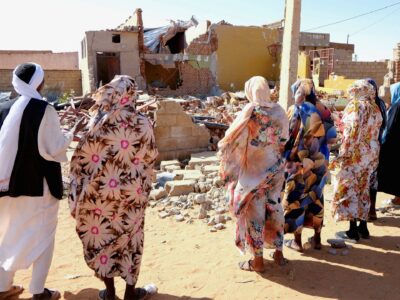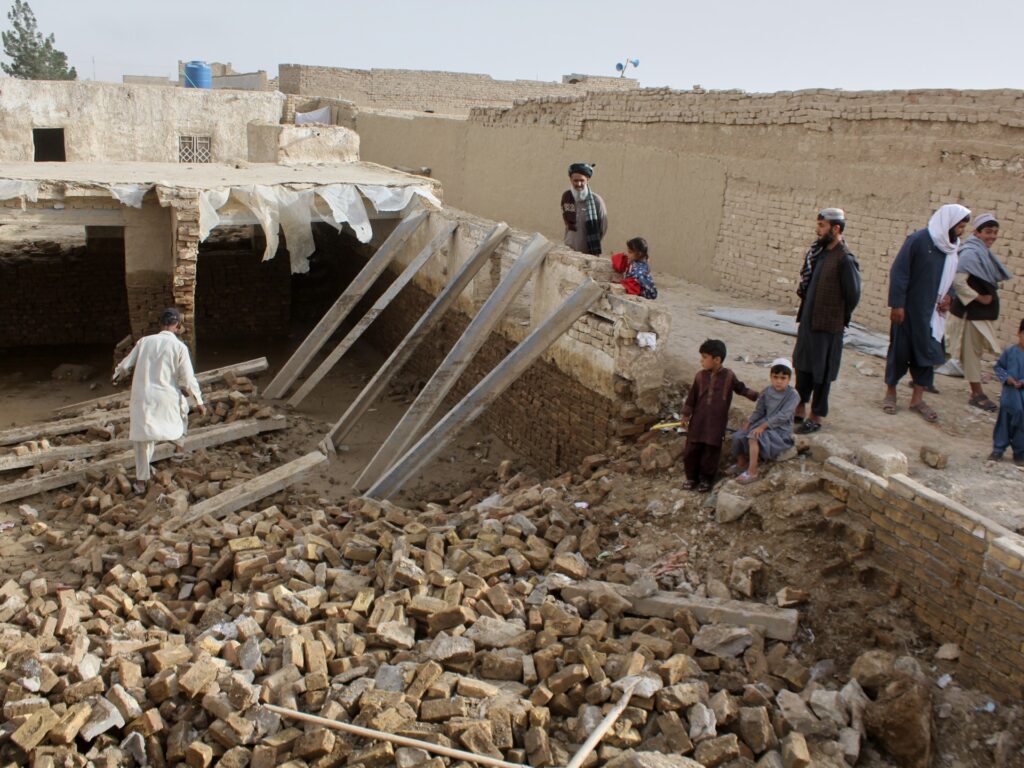
In recent days, the regions of Afghanistan and Pakistan have been severely affected by heavy rains that have caused widespread flooding, tragically claiming the lives of at least 45 people. In Afghanistan alone, the death toll has reached 28, while Pakistan has seen 17 fatalities due to the devastating weather conditions.
The intense rainfall led to flash floods and landslides, particularly affecting vulnerable communities and infrastructure in both countries. Roads, homes, and fields have been inundated with water, posing significant challenges to rescue and relief operations.
Afghanistan has been grappling with numerous flood-affected areas where emergency services have been mobilized to help those trapped by the rising waters. Many villages remain isolated due to damaged transportation networks, which hampers the delivery of essential supplies and medical aid.
Similarly, Pakistan’s provinces, especially those prone to seasonal floods, have experienced destructive water surges that have swept away homes and displaced hundreds of families. Authorities have issued warnings and are urging residents in flood-prone areas to move to higher ground to avoid further casualties.
The governments of both countries have launched coordinated efforts to provide assistance, including evacuations, food distribution, and temporary shelter arrangements for those displaced. However, the scale of flooding and the ongoing adverse weather conditions continue to complicate relief attempts.
Meteorologists predict that the region may experience more rainfall in the coming days, raising concerns about further flooding and the increased risk to life and property. Local officials and humanitarian organizations are calling for international support to address the immediate needs of affected communities and to assist in longer-term recovery efforts.
This catastrophic event underscores the vulnerability of the region’s infrastructure and the urgent need to implement more robust flood management and disaster preparedness measures. Climate experts also emphasize that such extreme weather events are likely to become more frequent, urging governments to strengthen their resilience strategies.
The flooding crisis in Afghanistan and Pakistan marks a somber reminder of the devastating impact of natural disasters on communities, necessitating comprehensive actions to mitigate risks and enhance adaptive capacities moving forward.