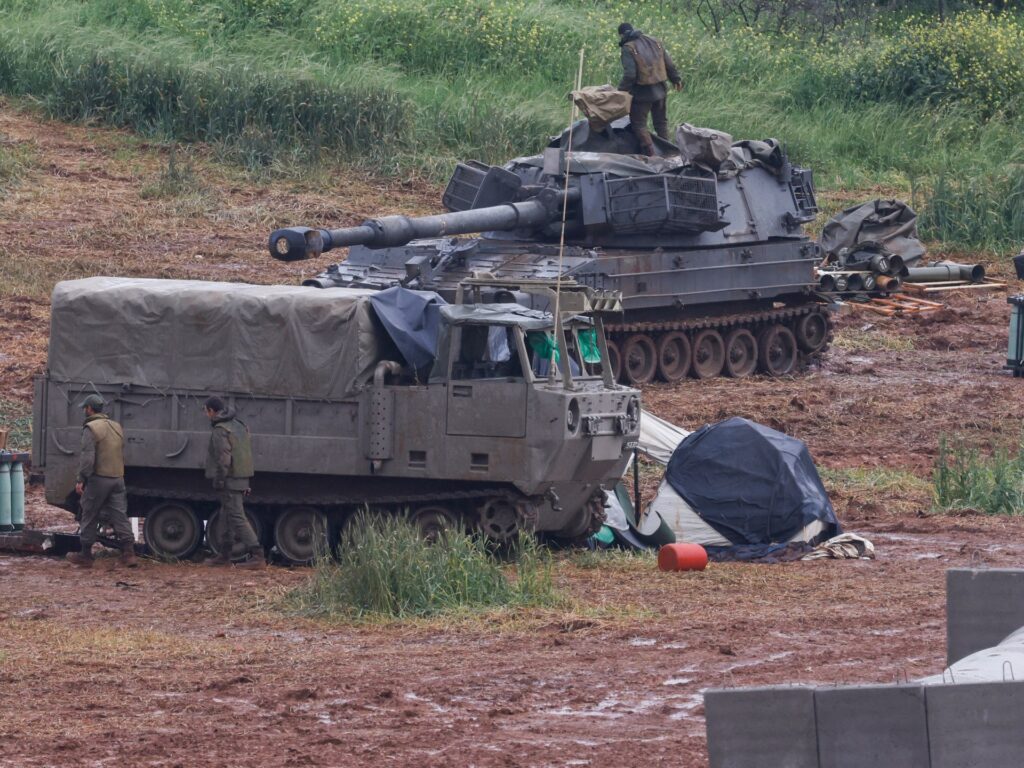
An Indonesian UN peacekeeper has been confirmed killed in southern Lebanon amid the intensifying Israeli invasion in the region. The tragedy underscores the growing instability and rising violence following Israel’s military operations in southern Lebanon.
The peacekeeper was reportedly killed by artillery fire, highlighting the dangerous conditions faced by UN personnel working to maintain peace and security in the volatile area. The incident has raised serious concerns about the safety of international forces operating in the conflict zone and the broader implications for regional stability.
The Israeli invasion of southern Lebanon has intensified over recent days, with heavy artillery shelling and military advances targeting areas believed to house armed groups. This military campaign is part of Israel’s ongoing efforts to neutralize what it perceives as threats along its northern border.
The United Nations Interim Force in Lebanon (UNIFIL) has had a longstanding presence in southern Lebanon, aiming to monitor ceasefire agreements, assist the Lebanese government in maintaining peace, and facilitate humanitarian efforts. However, the escalating conflict has placed UN forces in increasingly perilous situations.
The death of the Indonesian peacekeeper marks a tragic loss for the UN mission and for Indonesia, a country which has consistently contributed troops to UN peacekeeping operations worldwide. It also represents a stark reminder of the human cost associated with peacekeeping in active conflict zones.
International reactions to the incident have expressed grave concern over the dangers faced by UN personnel and called for immediate measures to ensure their protection. The United Nations has reiterated its commitment to continue its mission in Lebanon despite the challenges, emphasizing the critical role of peacekeeping forces in stabilizing the region.
The situation in southern Lebanon remains highly fluid, with potential for further escalations. The killing of the UN peacekeeper adds to the mounting tensions and highlights the urgent need for diplomatic efforts to de-escalate the conflict and protect civilians and international personnel.
This incident comes amid broader regional tensions and ongoing conflict cycles involving Israel and various groups operating in Lebanon. The international community continues to watch developments closely, hoping for a peaceful resolution to avoid further casualties and destruction.
As the Israeli military campaign proceeds, the security of UN personnel and civilians in southern Lebanon remains a paramount concern. Calls for restraint and dialogue have intensified, urging all parties to prioritize peace and safety in this tumultuous period.