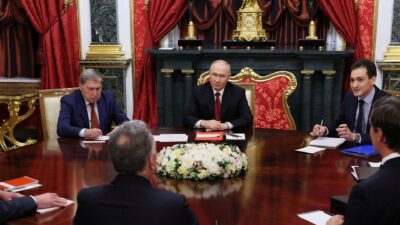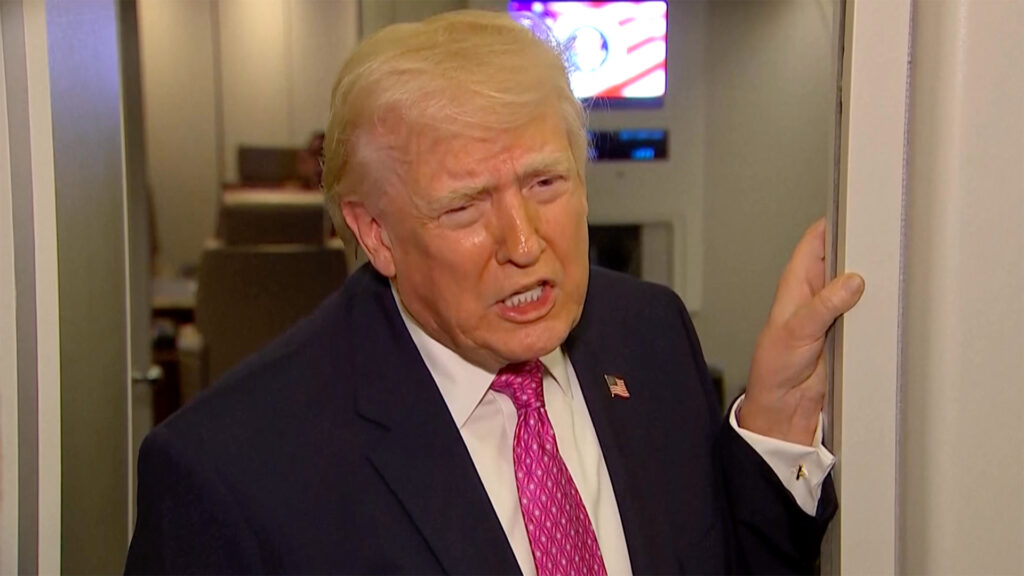
US President Donald Trump recently made bold statements asserting that the US-Israeli conflict against Iran has resulted in effective ‘regime change’ within the country. Trump emphasized this point during discussions about Iran’s oil exports, describing the situation metaphorically by referencing ‘boatloads of oil.’
Trump’s comments mark a significant stance on the geopolitical tensions involving Iran, which have been a persistent feature of international relations in recent years. The US and Israel have long maintained adversarial positions against Iran, focusing on its nuclear program and regional influence.
The claim of ‘regime change’ by Trump suggests that the ongoing efforts and measures taken by the US and its allies have substantially undermined Iran’s governmental structure or influence, potentially signaling a shift in power dynamics within the region.
This statement also ties into broader discussions regarding Iran’s oil sector, a critical component of its economy. Describing ‘boatloads of oil’ hints at the scale of Iran’s oil trade and potentially the impact of sanctions or military actions on its capacity to export.
Experts and analysts have mixed reactions to Trump’s declaration. Some view it as a strategic message aimed at reinforcing US resolve and pressuring Iran further. Others critique it as an optimistic or exaggerated portrayal that may not fully reflect the internal realities within Iran.
The geopolitical implications of such statements are significant. A claim of achieved ‘regime change’ can influence diplomatic negotiations, affect global oil markets, and alter the strategies of regional players.
Iran, for its part, has historically rejected US and Israeli narratives regarding its political stability and sovereignty, often deeming such claims as propaganda or attempts to justify further intervention.
The issue of Iran’s oil exports remains central to international discussions, especially given global energy needs and the sanctions regime that targets Iranian oil to curtail its economic power.
President Trump’s remarks come at a time when the US administration is navigating complex foreign policy challenges, balancing assertiveness toward Iran with efforts to manage broader diplomatic relationships.
The US-Israeli strategy towards Iran has included economic sanctions, intelligence operations, and allied military posturing, all aimed at curbing Iran’s regional influence and nuclear ambitions.
This approach has sparked various reactions internationally, with some countries supporting sanctions and others calling for dialogue and peaceful resolutions.
The claim of ‘regime change’ may reflect aspirations rather than documented outcomes, as Iran’s political landscape remains intricate and resilient.
Trump’s phrasing underscores the administration’s hardline stance and its emphasis on using economic and strategic tools to achieve foreign policy goals.
Looking ahead, these statements could pave the way for increased tensions or negotiations, depending on how both Iranian leadership and international stakeholders interpret and respond to the claims.
The metaphor of ‘boatloads of oil’ encapsulates the economic resource at the heart of much of the contention, underscoring how energy supplies are intertwined with geopolitical strategies.
Overall, Trump’s declaration adds a provocative dimension to the ongoing dialogue about Iran, its government, and the broader Middle Eastern geopolitical environment. It highlights the complexities and high stakes involved in US and Israeli policies towards Tehran.
As global attention remains focused on this critical region, such pronouncements serve to remind the international community of the fragile and volatile nature of Middle Eastern politics and the significant role of energy resources in shaping global affairs.