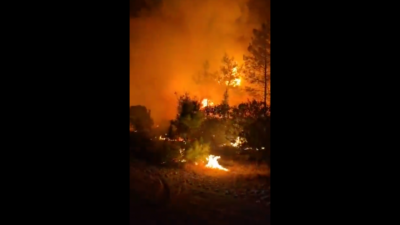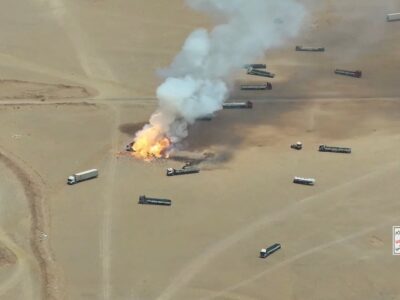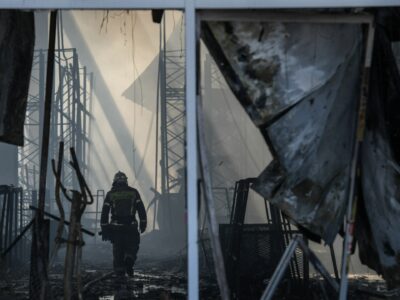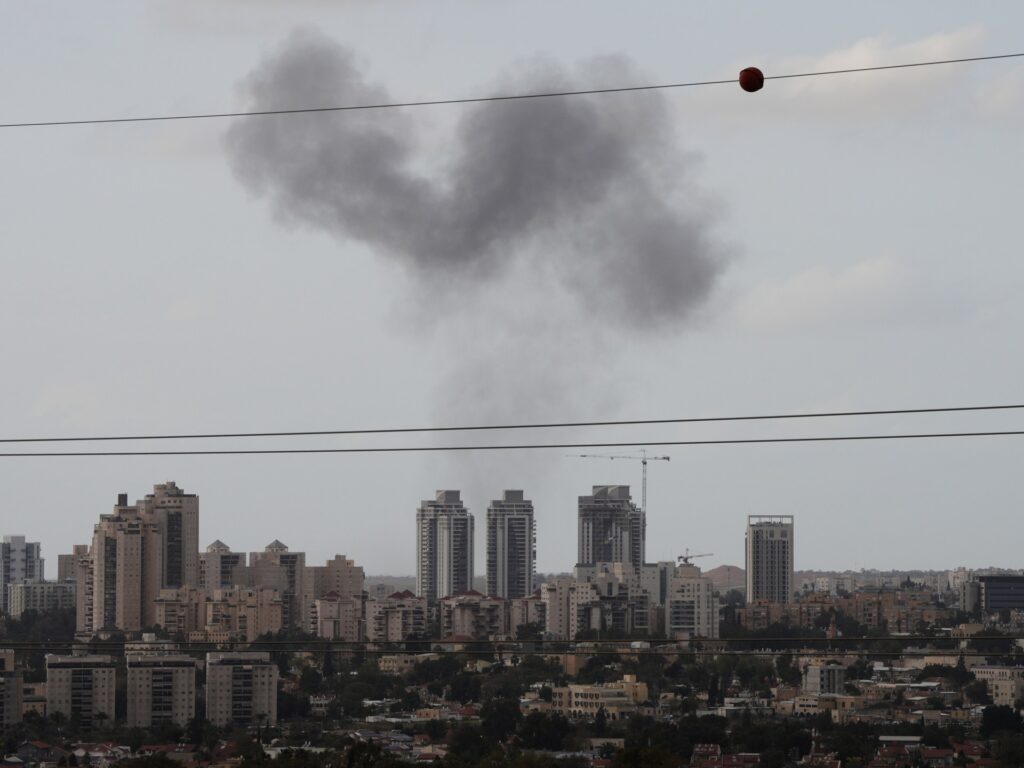
In a recent escalation of regional tensions, Iran launched a missile barrage targeting an industrial zone in southern Israel, specifically near the city of Beersheba. The strike resulted in a significant fire at a chemical plant within the industrial area, raising concerns over both immediate safety and environmental impact.
Beersheba, a key city in southern Israel, plays an important role in the region’s industrial and economic activities. The targeted chemical plant is a critical facility that handles various chemical processes, and the fire has prompted emergency response teams to act swiftly to contain the blaze and prevent hazardous conditions.
Officials reported that the missile attack was part of a broader surge in hostilities between Iran and Israel, reflecting ongoing geopolitical conflicts in the Middle East. The missiles were launched from Iranian territory, indicating Iran’s intention to escalate its military pressure against Israeli targets.
The fire at the chemical plant raised alarms due to the potential release of toxic substances, which could harm nearby populations and ecosystems. Emergency services coordinated efforts to evacuate personnel from the plant and surrounding areas to ensure public safety.
Israeli defense forces responded promptly, utilizing air defense systems to intercept additional incoming missiles and minimize further damage. The incident underscores the heightened state of alert in the region, with civilians and governments on edge regarding possible retaliations and continued attacks.
International reactions have varied, with some countries condemning the Iranian missile strikes as acts of aggression that destabilize the region. Diplomatic efforts are underway to de-escalate tensions and prevent further violence.
This attack adds to a series of confrontations between Iran and Israel, which have included cyberattacks, covert operations, and other military engagements. The conflict reflects deep-seated animosities rooted in complex political, religious, and territorial disputes.
The aftermath of the missile barrage involves investigations into the extent of damage caused by the fire and assessments of environmental impacts. Authorities are also examining the security protocols of industrial zones to enhance protection against future attacks.
Residents of Beersheba and neighboring communities have expressed anxiety over the safety of living near such volatile sites, calling for increased government measures to safeguard critical infrastructure.
While the immediate fire at the chemical plant was brought under control, the longer-term implications for industrial operations and regional security remain a concern. Experts emphasize the importance of dialogue and conflict resolution to prevent such escalations from recurring.
This event highlights the vulnerability of industrial and civilian areas in conflict zones and the need for comprehensive strategies to protect infrastructure and citizens. The missile attack on the Beersheba industrial zone serves as a stark reminder of the ongoing hostilities that continue to affect the Middle East.
Continued monitoring and international cooperation will be crucial in managing the fallout from this incident and fostering conditions for peace and stability in the region.