In a significant escalation of tensions, Iran has reportedly targeted and struck critical US military assets, including the E-3 Sentry AWACS (Airborne Warning and Control System) aircraft and air tankers. These flying radars are vital to the US military, capable of tracking drones, missiles, and aircraft from hundreds of kilometers away, providing essential battlefield awareness and command and control capabilities.
The recent strikes highlight Iran’s expanding focus on disrupting the aerial capabilities of the United States in the region. The E-3 Sentry plays a crucial role in surveillance and coordinated defense strategies, making it a high-value target for Iran amidst ongoing geopolitical frictions.
Beyond the AWACS and air tankers, Iran’s actions over the past month demonstrate a broader campaign targeting a variety of strategic assets:
1. **US Drones:** Iran has been increasingly active in targeting US unmanned aerial vehicles (UAVs). These drones are integral for intelligence gathering and strike missions, and their losses complicate US operational effectiveness.
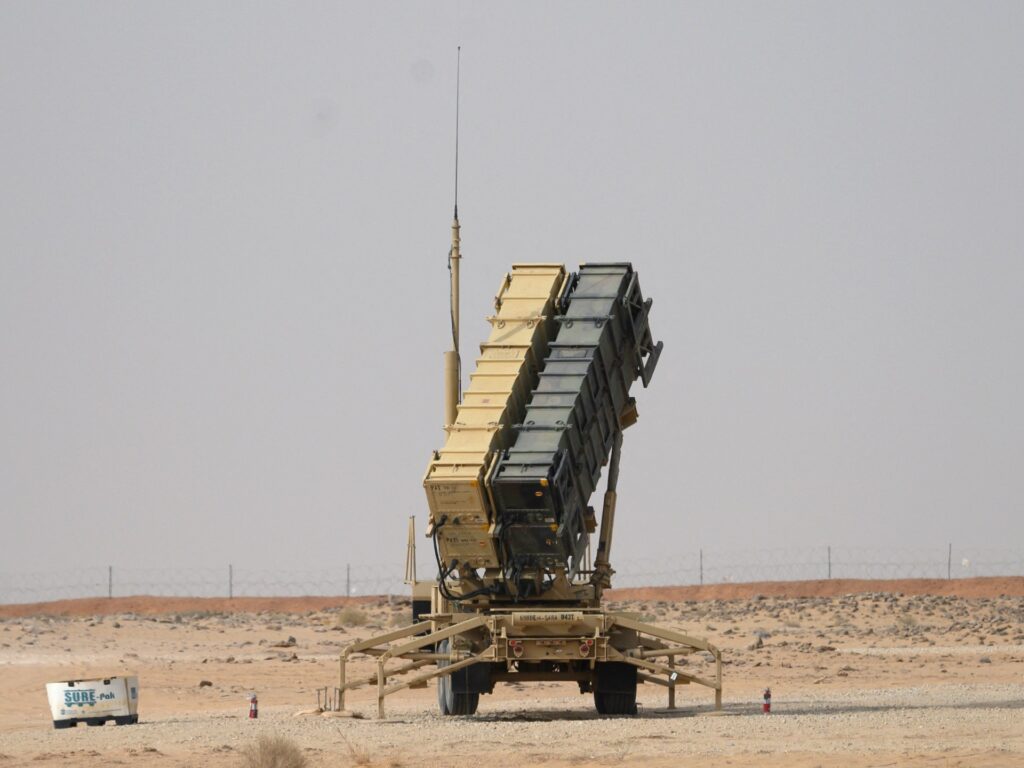
2. **Missile Defense Systems:** There have been reports of Iran attempting to jam or disrupt missile defense radars, aiming to weaken the layered defense mechanisms of US and allied forces in the region.
3. **Military Bases:** Iran has launched intermittent rocket or drone strikes against US-aligned military bases in Iraq and Syria, aiming to pressure US forces and allies in those regions.
4. **Supply Lines:** Attacks on air tankers and logistical aircraft are part of a strategy aimed at constraining the ability of US forces to resupply and sustain long-term operations.
The targeting of AWACS and air tankers marks a notable shift, as these types of assets are generally well-protected and operate far behind front lines. Iran’s capability to reach and damage such platforms signals increasing sophistication and boldness.
International observers are watching closely, concerned that these developments may lead to further escalation or constrain diplomatic solutions. The US military and its allies are reportedly reviewing operational security and tactics to mitigate vulnerabilities exposed by these attacks.
This escalation fits into a larger pattern of confrontation between Iran and the US, following years of sanctions, nuclear program disputes, and proxy conflicts.
As the situation continues to evolve, regional stability remains at risk, with potential impacts on global energy markets and international security frameworks.
Iran’s recent actions underscore the challenges of maintaining peace in the Middle East, where advanced technologies and determined adversaries regularly shift the balance of power.
The unfolding events will likely prompt renewed diplomatic efforts and potential recalibrations in military posture from all involved parties in the coming weeks.