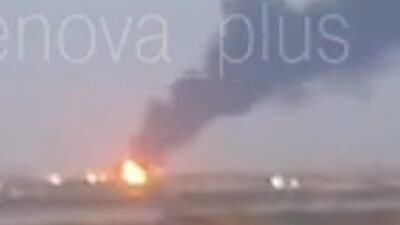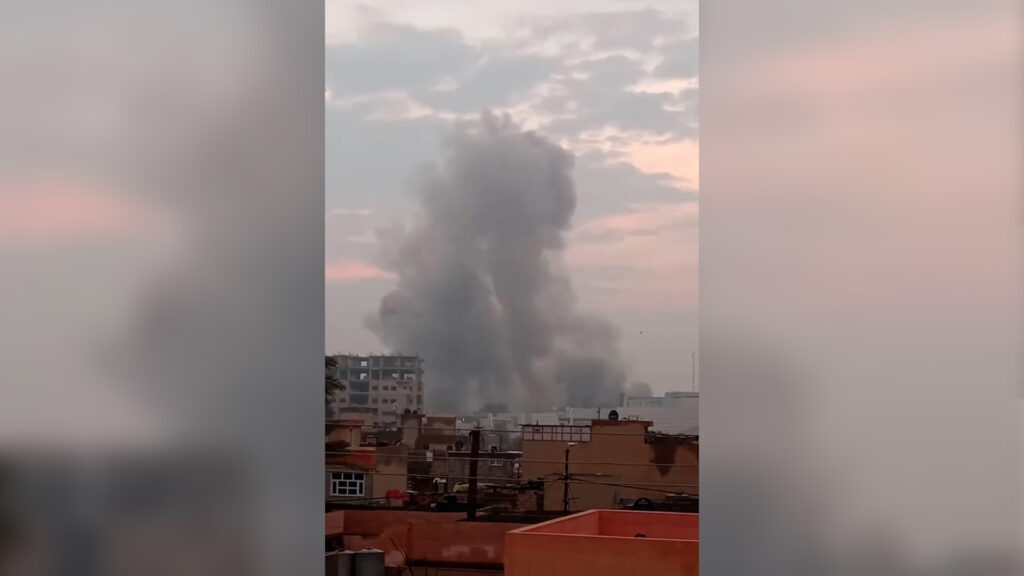
In recent developments, thick plumes of smoke have been reported rising over Mosul, Iraq, following a series of air strikes targeting sites affiliated with Iraq’s Popular Mobilisation Forces (PMF). The strikes have intensified the ongoing conflict in the region, raising concerns about the stability and security of Mosul and surrounding areas.
Mosul, a key city in northern Iraq, has been a hotspot for military and political tensions for years. The Popular Mobilisation Forces, an umbrella organization composed mainly of Shia militias, have been influential in the fight against terrorism but are also a subject of controversy due to their close ties to Iran.
The recent air strikes were reportedly aimed at undermining the military capabilities of the PMF in Mosul by targeting strategic locations such as weapons depots, command centers, and other infrastructure used by the militias. Following the strikes, the skyline of Mosul was marked by thick, dark smoke rising from several areas, a stark reminder of the volatility that persists in the region.
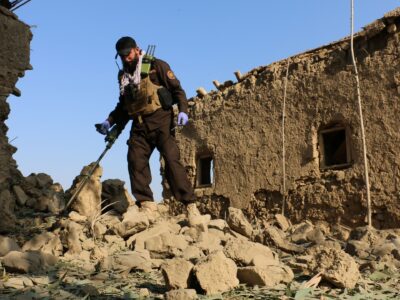
Eyewitnesses described scenes of destruction and chaos as local residents were forced to seek shelter amid the bombardments. Emergency services scrambled to respond to the fires and any casualties, although precise details regarding casualties and damage have not yet been fully confirmed.
The situation has sparked international reactions with various governments urging restraint and a peaceful resolution to avoid further escalation. Analysts warn that continued attacks in Mosul could exacerbate sectarian strife and destabilize the fragile security framework established after years of conflict with extremist groups.
The air strikes highlight the complex dynamics at play in Iraq, where multiple internal and external actors vie for influence. The targeting of the PMF underscores the ongoing tensions between different factions within the country and their international backers.
As Mosul copes with the aftermath of these strikes, the city’s residents face uncertain prospects amid fears of renewed violence. Humanitarian concerns are rising, with many calling for increased aid and support to help civilians affected by the heightened conflict.
This incident is part of a broader pattern of conflict in Iraq, where the presence of various militias and foreign powers adds layers of complexity to its security and political landscape. The coming days will be crucial in determining whether the situation in Mosul stabilizes or further deteriorates.
International observers and Iraqi officials alike are closely monitoring developments, emphasizing the need for dialogue and political solutions to address the underlying issues fueling violence.
The smoke rising over Mosul serves as a stark visual symbol of the ongoing challenges facing Iraq, reflecting both the immediate impact of military actions and the deeper struggles for peace and stability in the region.