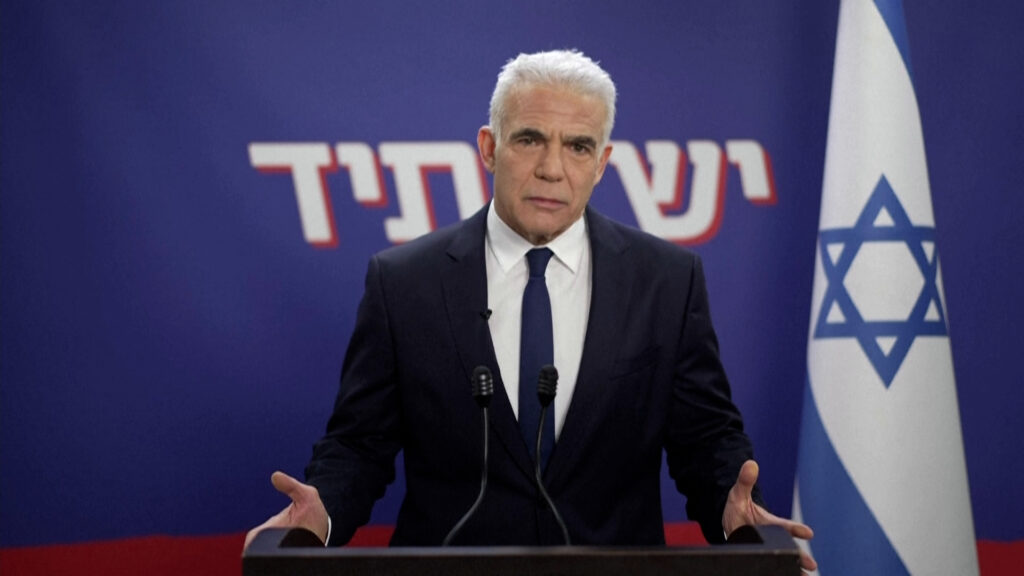
In a recent and alarming statement, Israeli opposition leader Yair Lapid has publicly criticized the current government, asserting that the country’s military forces are “in collapse.” This criticism highlights growing concerns about the state of Israel’s defense capabilities and has sparked significant debate within the nation.
Yair Lapid, a prominent figure in Israeli politics and leader of the opposition, made these remarks amid a backdrop of heightened security tensions in the region. The exact reasons behind his severe critique stem from perceived shortcomings in military preparedness, leadership, and government management of defense resources.
Lapid’s statement suggests a deep dissatisfaction with how the government is handling national security issues, especially given the complex geopolitical challenges Israel faces. The opposition leader’s comments underline fears that the military, which historically plays a crucial role in the country’s survival and deterrence strategy, may be weakened or struggling under current policies and leadership.
Critics argue that the government has failed to adequately invest in or support the armed forces, leading to a decline in morale, readiness, and operational capability. These issues, according to Lapid, risk compromising Israel’s ability to respond effectively to any emerging threats.
In response, government officials have defended their record, arguing that the military remains strong and that any challenges faced are being addressed with appropriate measures. They emphasize ongoing investments in defense technology, training, and intelligence as evidence of commitment to national security.
The discourse surrounding the military’s condition has also stirred public concern, with many citizens looking to their leaders for reassurance amid uncertain times. The statement by Lapid serves as a call to action for a re-evaluation of Israel’s defense strategies and policies.
Experts in defense and international relations note that such public declarations by opposition figures can be double-edged, raising awareness but also fueling political tensions. They advise a measured approach to assessing the military’s status, considering both official reports and independent analyses.
The debate over Israel’s military readiness will likely continue, reflecting broader political battles within the country. What remains clear is that the security of Israel remains a paramount issue that cuts across political divisions.
As events unfold, both the government and opposition will be under increased scrutiny from the public, media, and international observers, all keen to understand the true state of the Israeli military and its ability to protect the nation.
This ongoing discourse underscores the critical importance of robust defense mechanisms and transparent governance in maintaining national security and public confidence.