The conflict involving the US, Israel, and Iran has reached its 28th day, continuing to impact regional stability and international relations. Initially sparked by escalating tensions and military engagements, the situation remains highly volatile. President Donald Trump has announced a delay of 10 days in planned attacks on Iran’s critical energy infrastructure. This decision comes amidst ongoing diplomatic dialogues that Washington claims are progressing positively. However, Iranian officials dispute these claims, maintaining a stance of defiance and readiness.
The delayed strikes were primarily aimed at crippling Iran’s ability to fund and sustain its military operations, particularly through its oil exports. Energy facilities targeted include refineries and pipelines essential to Iran’s economy and military logistics. The delay marks a significant shift in US strategy, favoring potential diplomatic engagement over immediate military confrontation.
Israel continues to express strong support for thwarting Iranian influence and nuclear ambitions in the Middle East. Israeli officials have voiced concerns over Iran’s continued ballistic missile tests and support for proxy groups in Lebanon, Syria, and Gaza. These activities are perceived as threats not only to Israel’s security but to broader regional peace.
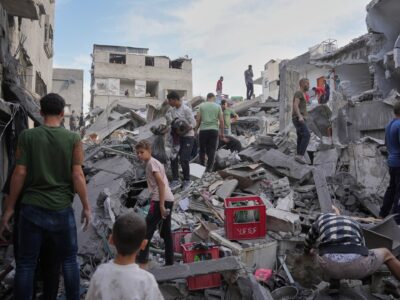
On the ground, the conflict’s ramifications are intensifying. There have been reports of skirmishes along the Iran-Iraq border and increased security alerts in the Persian Gulf. International waters remain tense as naval patrols increase to monitor shipping lanes vulnerable to Iranian attacks or retaliation.
The global community watches closely as the 28-day mark underscores the urgency for a resolution. Diplomatic efforts are underway, involving not only the US and Israel but other key stakeholders including European powers and regional actors. Sanctions on Iran have tightened further, aiming to pressure Tehran into negotiations.
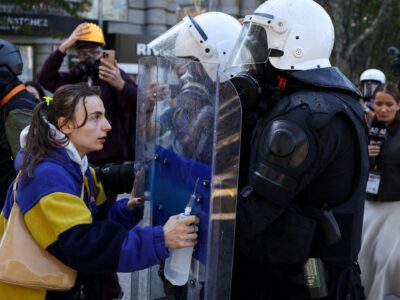
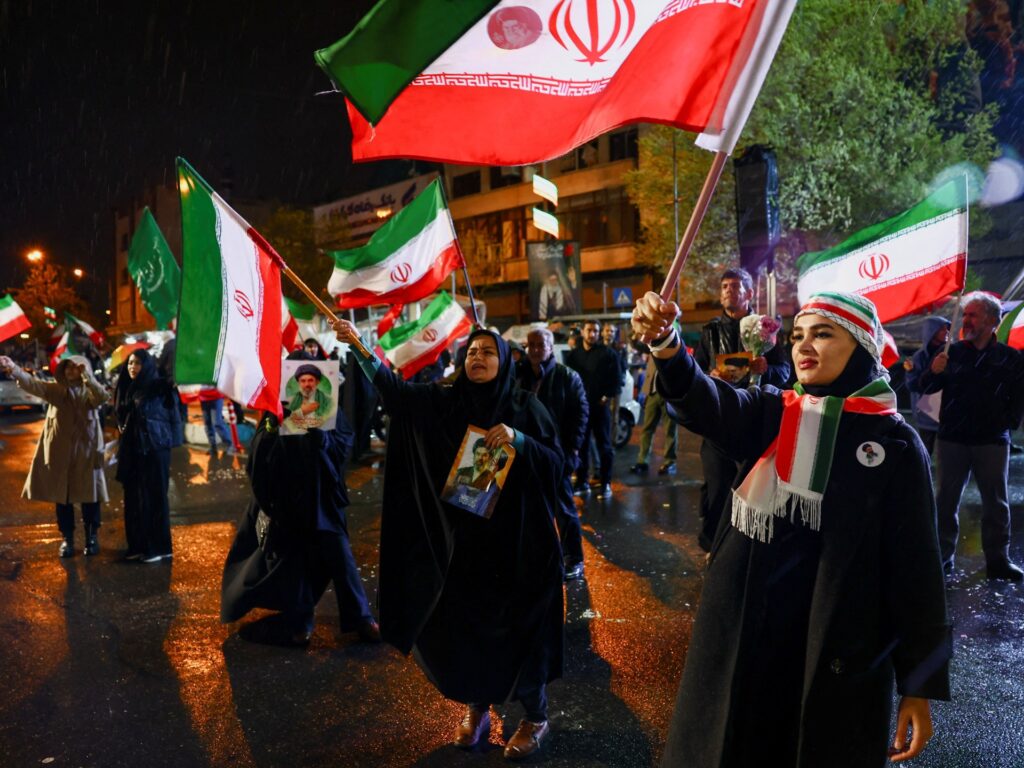
Iran’s position remains firm, with leaders emphasizing the country’s sovereign right to defend itself against aggression. Iranian military commanders have issued warnings against foreign attacks, threatening a robust response. Domestic support for resistance appears strong, with public demonstrations backing the government’s stance.
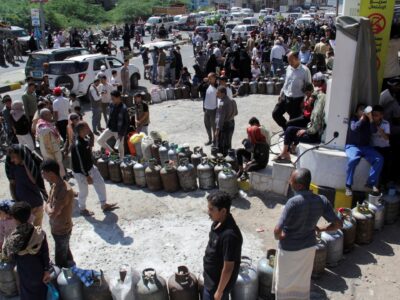
Economic consequences are mounting as the conflict disrupts oil markets. Price fluctuations affect not only regional economies but global energy supplies. Analysts suggest prolonged tensions could lead to a broader economic impact, exacerbating inflation and affecting international trade.
In summary, day 28 of the US-Israel war on Iran highlights a complex and dangerous standoff. The delay in attacks by President Trump illustrates a possible opening for diplomacy, yet the contrasting narratives reveal ongoing mistrust. Regional security remains precarious, and the potential for escalation persists. The world watches as diplomatic and military actions unfold, hoping for a peaceful resolution but preparing for wider conflict if necessary.