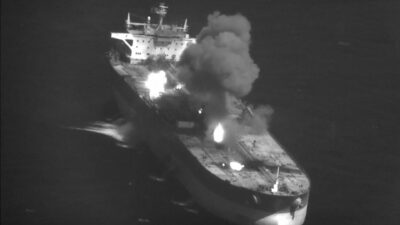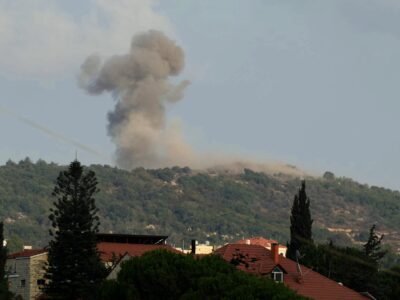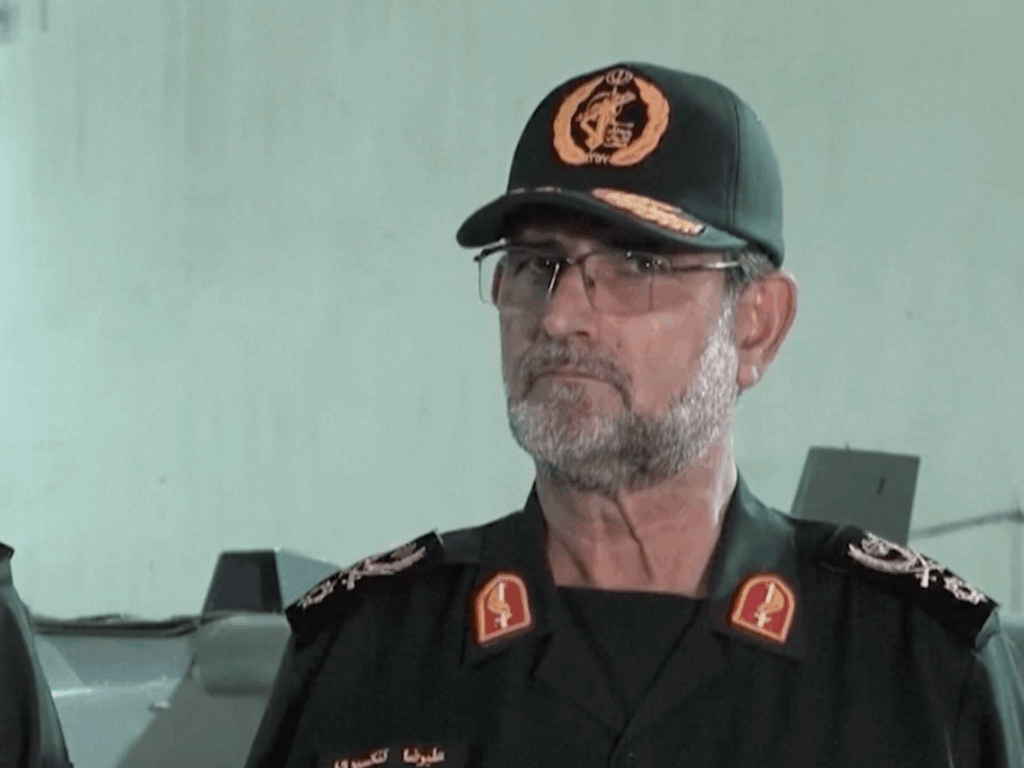
Israel has announced the killing of Alireza Tangsiri, a senior Iranian naval commander, in a targeted attack. The Israeli Defence Minister stated that Tangsiri was responsible for operations that blocked the strategic Strait of Hormuz, a vital waterway for global oil shipments. According to Israeli officials, Tangsiri’s role in disrupting maritime traffic and supporting hostile activities in the region made him a significant threat, prompting the operation against him.
The Strait of Hormuz is one of the world’s most crucial chokepoints for oil transport, with a significant percentage of the world’s petroleum passing through it daily. Tensions in the area have been high, as Iran has periodically threatened to close or restrict shipping through the strait in response to international sanctions and military pressures.
Alireza Tangsiri was reportedly influential in commanding the Iranian naval forces responsible for asymmetric warfare tactics, including deploying fast attack boats, sea mines, and missile platforms aimed at deterring foreign naval presence in the Persian Gulf. His leadership was considered central to Iran’s strategy to assert control over the waterways and challenge the naval forces of the United States and its allies.
The Israeli Defence Minister emphasized that the operation was aimed at preventing further attempts by Iran to disrupt international shipping and to signal that Israel would not tolerate threats to maritime security. The operation and Tangsiri’s alleged assassination are likely to escalate tensions between Iran and Israel, both of which have engaged in covert and overt confrontations over influence in the Middle East.
Iran has not officially confirmed the death of Tangsiri but has condemned what it calls Israeli aggression. In past incidents, similar claims by Israel have led to heightened military alert and retaliatory threats by Iran.
The international community has expressed concern over the increasing instability around the Strait of Hormuz, stressing the importance of keeping the waterway open for free and safe navigation. Efforts to de-escalate tensions include diplomatic talks and calls for restraint by regional and global powers.
This incident underscores the ongoing conflict and rivalry between Israel and Iran, where maritime security plays a critical role. The death of a high-ranking naval commander highlights the risks of targeted killings as a tool in geopolitical conflicts, potentially prompting further escalations in an already volatile region. Observers will be closely watching the developments in the coming days to assess the impact of this event on regional security and international maritime operations.