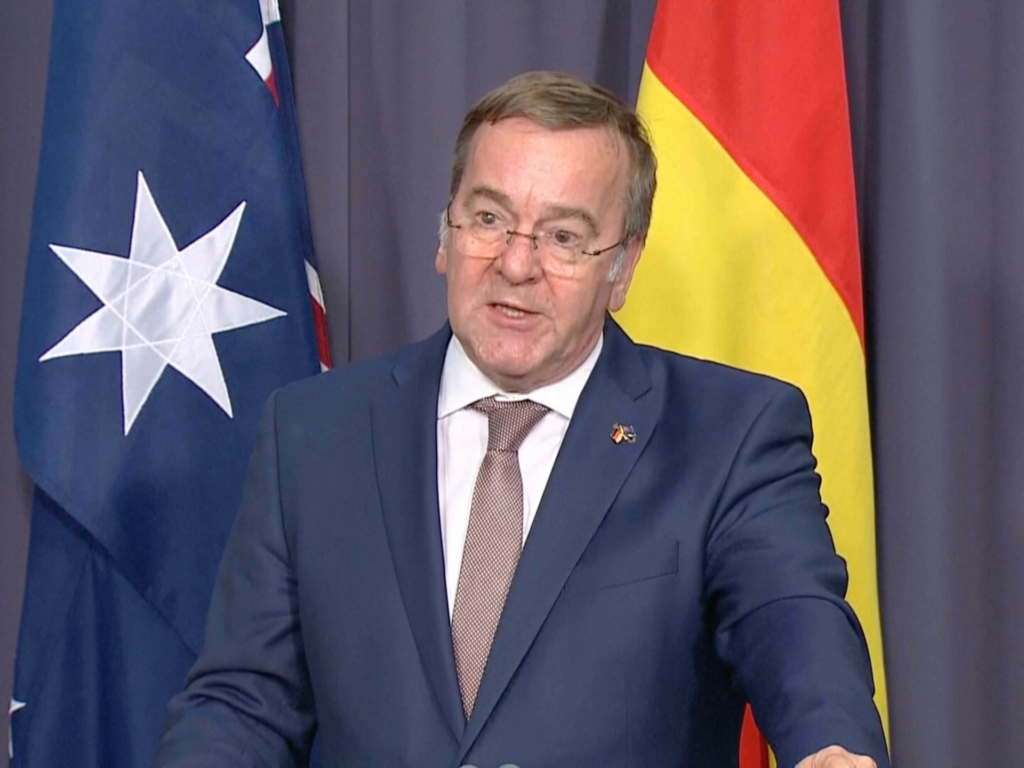
Germany’s Defence Minister, Boris Pistorius, recently expressed strong concerns about the profound economic repercussions of the ongoing war in Iran. In a sobering statement, Pistorius described the conflict as an “economic catastrophe,” highlighting that its impact is “absolutely evident” across numerous sectors.
The Iran war, which has been escalating over recent months, is not only a humanitarian crisis but also a major disruptor of global economic stability. According to Pistorius, the conflict has led to severe disruptions in trade routes and energy supplies, which are crucial for the global market, particularly in Europe.
Germany, being one of Europe’s largest economies, feels the brunt of these interruptions profoundly. The defence minister pointed out that prices for commodities such as oil and gas have surged unpredictably due to uncertainties stemming from the conflict. These price hikes have contributed to inflationary pressures that burden everyday consumers and industries alike.
Moreover, the war impacts international investment and supply chain reliability. Companies face challenges in sourcing materials and dealing with geopolitical risk, leading to hesitancy and reduced economic activity. Pistorius underscored that the war’s ripple effects extend beyond Iran and neighboring regions, affecting economies worldwide.
The German government has been actively monitoring the situation, assessing the economic toll, and strategizing responses to mitigate adverse outcomes. Measures include seeking alternative energy sources, enhancing diplomatic efforts for conflict resolution, and providing economic support to affected industries and citizens.
Pistorius advocated for intensified international cooperation to resolve the conflict swiftly to prevent further economic damage. He emphasized that prolonged instability in the region could exacerbate the economic crisis and amplify geopolitical tensions globally.
Economic experts echo the defence minister’s concerns, noting that the war’s effects could trigger a ‘domino effect’ on global markets, especially if prolonged. Analysts warn that without concerted diplomatic effort and robust economic safeguards, the economic consequences could deepen, with widespread ramifications.
In summary, the German Defence Minister’s characterization of the Iran war as an “economic catastrophe” serves as a stark reminder of the far-reaching impacts of geopolitical conflicts. It also underscores the urgent need for international diplomacy and economic resilience strategies to navigate the turbulent global landscape shaped by the conflict.