In a significant development amidst escalating tensions between Cuba and the United States, the Cuban President has confirmed that former leader Raul Castro is actively involved in ongoing talks with the US. This revelation comes at a critical time when Cuba is facing an oil blockade that has put immense pressure on its economy and energy supplies.
The dialogue between the two nations is reportedly focused on resolving the standoff created by the blockade, which has severely limited Cuba’s access to crucial energy resources. The blockade, believed to be influenced by recent conservative shifts in US policy, has heightened economic difficulties in Cuba, sparking concerns about shortages and potential humanitarian impacts.
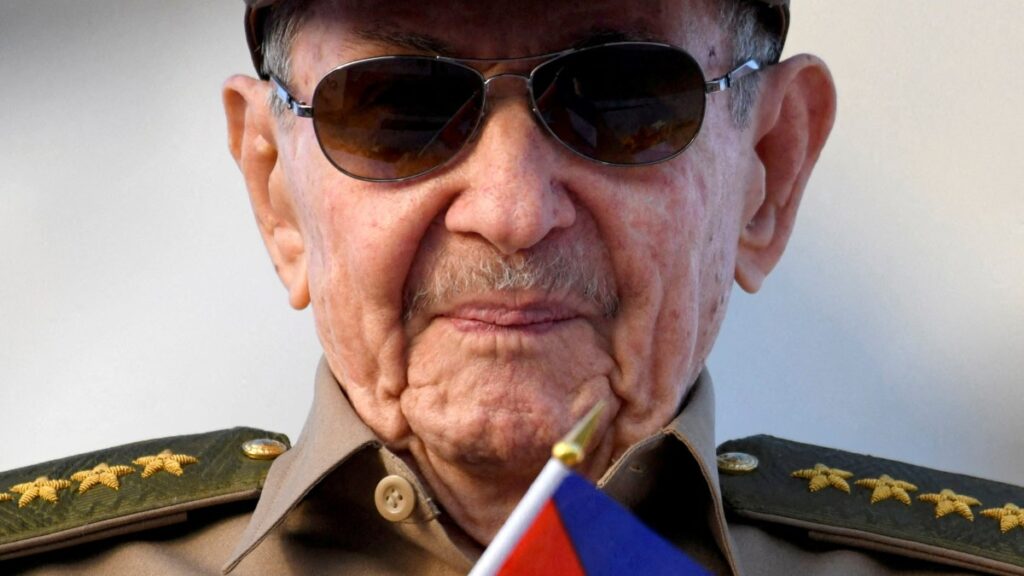
Raul Castro, who served as Cuba’s President from 2008 to 2018 and remains a key figure in Cuban politics, is said to be using his extensive experience and diplomatic skills to engage with US representatives. His involvement is seen as an effort to ease tensions and find a pathway to negotiation amid a period marked by hostility and uncertainty.
This development follows a provocative statement by then US President Donald Trump, who expressed that he would be ‘honoured’ to take control of Cuba, a comment that intensified the rhetoric and heightened fears of aggressive moves against the island nation.
Observers note that Raul Castro’s participation could signal a strategic shift from Cuba towards more direct and high-level communication channels with the US, aiming to de-escalate the conflict and potentially secure relief from the economic strain caused by the blockade.
The talks also come against the backdrop of Cuba’s historical resilience and its ongoing efforts to maintain sovereignty and stability in the face of external pressures. Cuban officials remain cautious but hopeful that diplomatic engagement can avert further deterioration of the situation.
Internationally, there is growing concern over the implications of the oil blockade, with various countries and organizations calling for dialogue and condemning the punitive measures that affect the Cuban population’s wellbeing.
While details of the negotiations remain closely guarded, the involvement of Raul Castro underscores the gravity with which Cuba is approaching the talks. His political legacy and experience managing US-Cuba relations during turbulent times may prove instrumental in navigating the current crisis.
The situation remains fluid, with both the US and Cuban governments under pressure from their respective domestic audiences to achieve a resolution. Analysts emphasize the importance of these discussions as a potential turning point in restoring a more stable and constructive bilateral relationship.
As talks continue, the global community watches closely, hopeful for a peaceful resolution that could alleviate the hardships faced by the Cuban people and pave the way for normalized relations. The involvement of key figures like Raul Castro suggests a commitment on Cuba’s part to engage seriously with the US, despite the complexities of their historical and political differences.
In summary, the Cuban President’s announcement about Raul Castro’s role in the US talks amid the oil blockade marks a pivotal moment in the ongoing saga between the two countries. It highlights a blend of caution, resilience, and a strategic push towards diplomacy aimed at overcoming current challenges and shaping the future of US-Cuba relations.