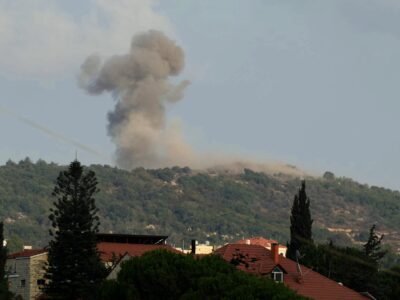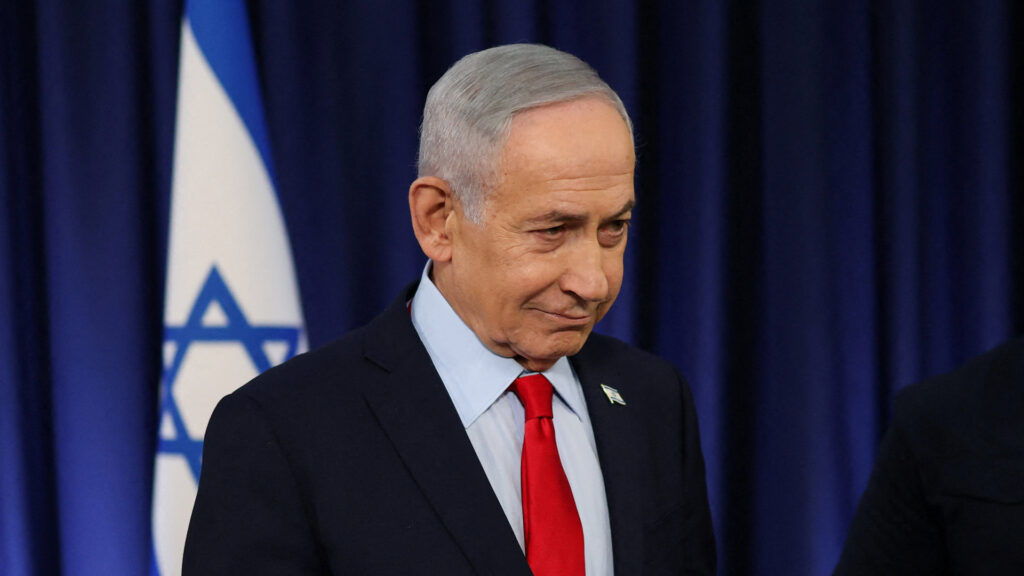
Israeli Prime Minister Benjamin Netanyahu recently made emphatic remarks about his government’s efforts to reinforce and expand Israel’s security measures, particularly focusing on the northern border with Lebanon. Netanyahu stated that the country is working diligently to expand its ‘buffer zone’ from Lebanon, underscoring a strategic move aimed at enhancing national security and preventing potential threats from crossing into Israeli territory.
In his statement, Netanyahu highlighted that these efforts are not merely tactical but represent a broader approach of ‘breaking boundaries in every sense of the word.’ This phrase reflects the Prime Minister’s intention to assert Israel’s sovereign right to protect its citizens and territory by redefining and, where necessary, extending its defensive perimeters.
The buffer zone refers to a designated area along the Israel-Lebanon border, currently monitored largely due to the activities of Hezbollah, a Lebanese militant group regarded by Israel as a significant security threat. By expanding this zone, Israeli forces aim to create greater distance between potential hostile entities and Israeli communities, thereby reducing the risk of infiltration and attacks.
Netanyahu’s remarks come amid ongoing tensions in the region, heightened by periodic exchanges of fire and deep-rooted political conflicts. The Prime Minister’s focus on ‘breaking boundaries’ binds the concept of physical territorial defense with a broader policy of proactive security and deterrence.
Israeli military officials have indicated that the expansion of the buffer zone involves enhanced surveillance, increased patrols, and bolstered infrastructure along the border. This multi-layered approach is designed to detect and deter any hostile activities before they can escalate into direct threats.
The move has drawn mixed reactions regionally and internationally. Supporters argue that Israel has the right and duty to safeguard its borders and citizens from potential attacks emanating from the volatile northern frontier. Critics, however, express concerns about the impact such expansions may have on the delicate balance of peace efforts and the daily lives of communities residing near the border.
Netanyahu’s administration continues to emphasize the necessity of such measures as part of a comprehensive national security strategy. These strategies include diplomatic engagements, intelligence operations, and, when required, military preparedness to address multifaceted threats.
The Prime Minister’s use of the phrase ‘breaking boundaries’ also symbolizes a bold stance in Israeli politics, positioning his leadership as one willing to challenge conventional limits and adopt assertive security policies in response to evolving regional dynamics.
As Israel pursues these security enhancements, the international community watches closely, gauging the implications for stability in the Middle East. The situation underscores the complex interplay between military strategy, political leadership, and regional geopolitics.
In summary, Benjamin Netanyahu’s declaration about expanding Israel’s buffer zone from Lebanon highlights a significant phase in the country’s ongoing efforts to secure its borders. By aiming to ‘break boundaries in every sense of the word,’ the Prime Minister reaffirms Israel’s commitment to proactive defense measures and maintaining a robust posture amid uncertain regional conditions.