IRAN-IRAQ/
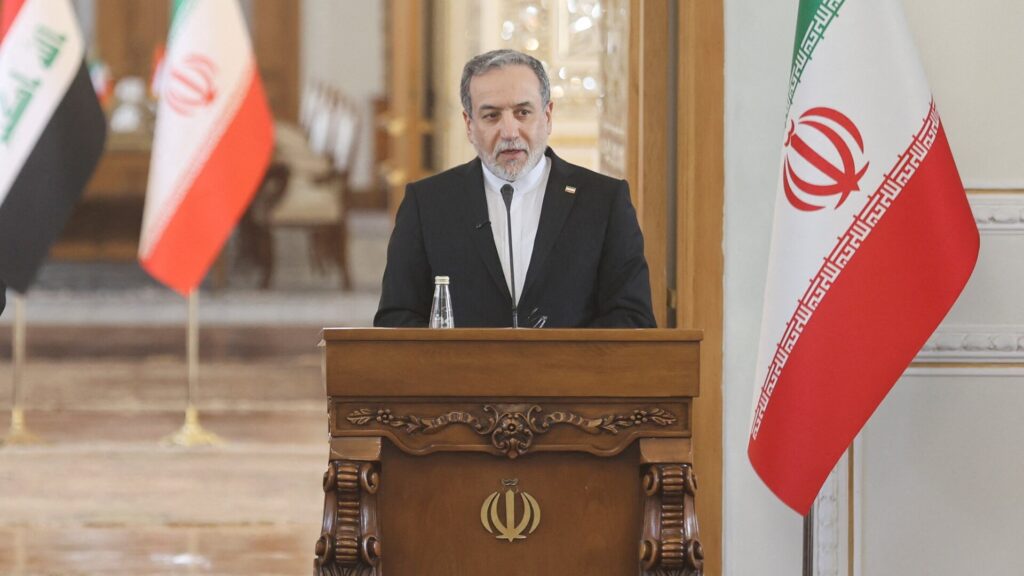
Tehran, Iran — In a firm statement, Iran’s Foreign Minister Abbas Araghchi has explicitly denied that any negotiations have taken place between Iran and the United States. The announcement comes amid ongoing speculation about potential diplomatic talks aimed at resolving tensions between the two countries.
Araghchi’s statement, “No negotiations have taken place,” was made in response to circulating rumors and media reports suggesting that informal discussions might be underway. This clear denial underscores Iran’s current stance on diplomatic relations with the US.
The background of this development lies in the strained relations between Iran and the United States, especially following years of sanctions, political disagreements, and differences over Iran’s nuclear program. The US has repeatedly stated its interest in engaging Iran in talks, but Tehran remains cautious and has set strict preconditions for any formal negotiations.
Iran’s foreign minister’s remarks are significant as they signal the country’s official position and reflect the broader geopolitical climate where mistrust remains high. Iran continues to emphasize its sovereignty and reject what it perceives as unwarranted interference from the US.
Analysts note that while there may be backchannel communications or indirect exchanges through third parties, Tehran is denying direct talks. This stance may be intended to strengthen Iran’s negotiating position or to manage domestic political expectations.
The Iranian government faces internal pressures and must balance its foreign policy decisions carefully. Public statements like Araghchi’s play a key role in conveying Iran’s policy clearly to both domestic and international audiences.
International observers and foreign governments monitoring the Middle East will be closely watching for any changes or developments in this diplomatic landscape. The rejection of talks does not preclude future negotiations, but it does highlight the current impasse.
Experts argue that without direct talks, the risk of misunderstandings and escalations could increase, affecting regional stability. It remains to be seen whether diplomatic efforts can be revived under new terms or leadership.
In summary, Iran’s foreign minister has categorically rejected any current negotiations with the US, underscoring the delicate and complex nature of international relations in the region and the challenges ahead in achieving diplomatic breakthroughs.