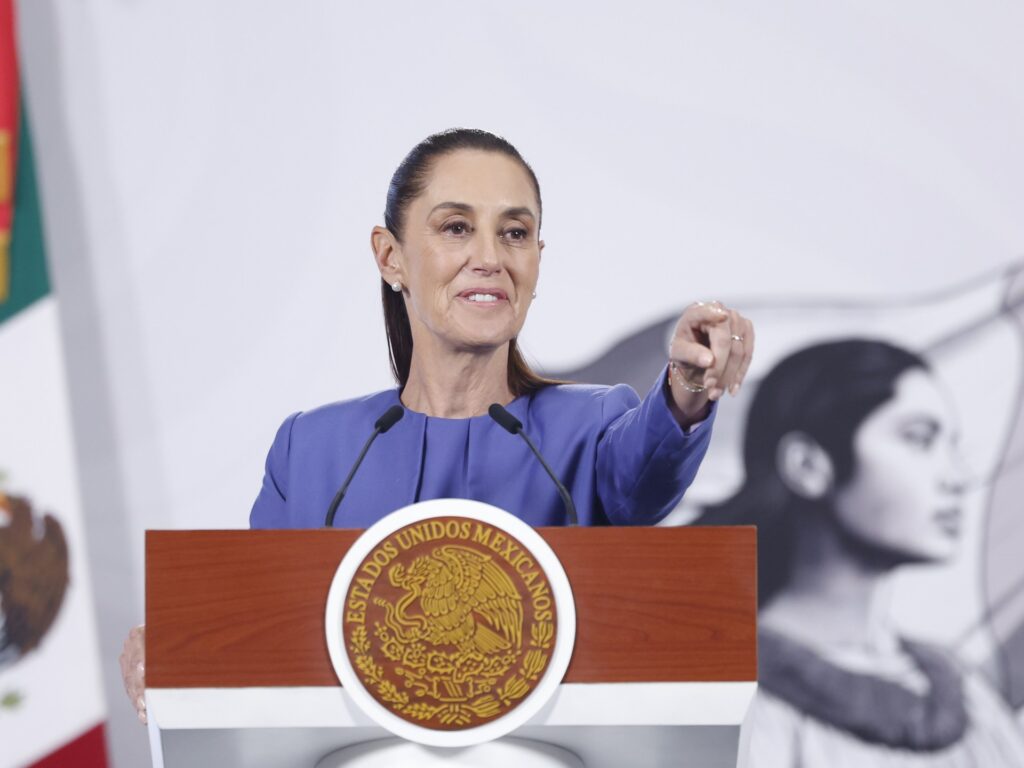
In a significant stance amid geopolitical tensions, Mexico has affirmed its decision to continue welcoming Cuban medical workers despite ongoing pressure from the United States. Mexican President Claudia Sheinbaum has openly praised the contributions of Cuban doctors, emphasizing their critical role in providing health services, particularly in underserved rural areas where medical resources are often scarce.
The Cuban medical workers are widely recognized for their dedication and commitment to serving vulnerable populations, often in regions with limited access to healthcare. They have been instrumental in addressing public health needs in Mexico, bridging gaps in medical attention where local capacity is insufficient.
President Sheinbaum highlighted the importance of these healthcare professionals by acknowledging their efforts to support Mexico’s health system. She stated, “The services provided by Cuban doctors are invaluable, especially in rural communities where they deliver essential care that might otherwise be unavailable.”
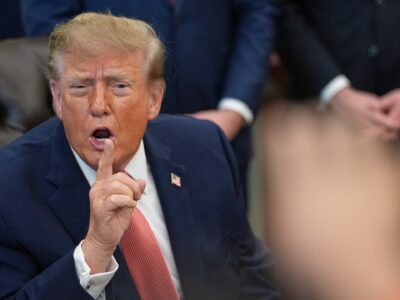
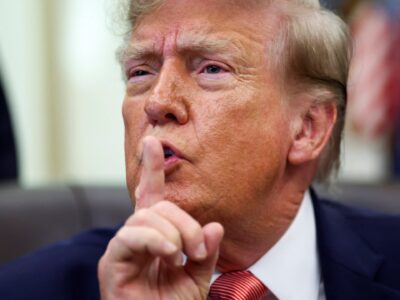
This announcement comes at a time when the United States has been urging Latin American countries to reconsider their acceptance of Cuban medical personnel, citing political and diplomatic concerns. However, Mexico’s government has prioritized the welfare of its population, underscoring the non-political nature of medical cooperation.
The decision reflects Mexico’s broader commitment to regional solidarity and healthcare development despite external diplomatic pressures. It also signifies an acknowledgment of the expertise and humanitarian spirit carried by Cuban medical workers, which transcends geopolitical disputes.
Cuban medical missions have a long history of international collaboration, providing medical aid, disaster relief, and combating epidemics globally. Their presence in Mexico is part of this tradition and demonstrates the positive outcomes of international medical cooperation.
Mexico’s stance is expected to influence other Latin American countries facing similar pressures, potentially leading to a reassessment of the role Cuban medical workers play in the region’s healthcare systems.
Overall, Mexico’s decision to maintain its acceptance of Cuban medical personnel underscores the country’s dedication to ensuring accessible healthcare for all its citizens, particularly in marginalized areas. It also highlights the enduring legacy and impact of Cuban medical internationalism in Latin America.