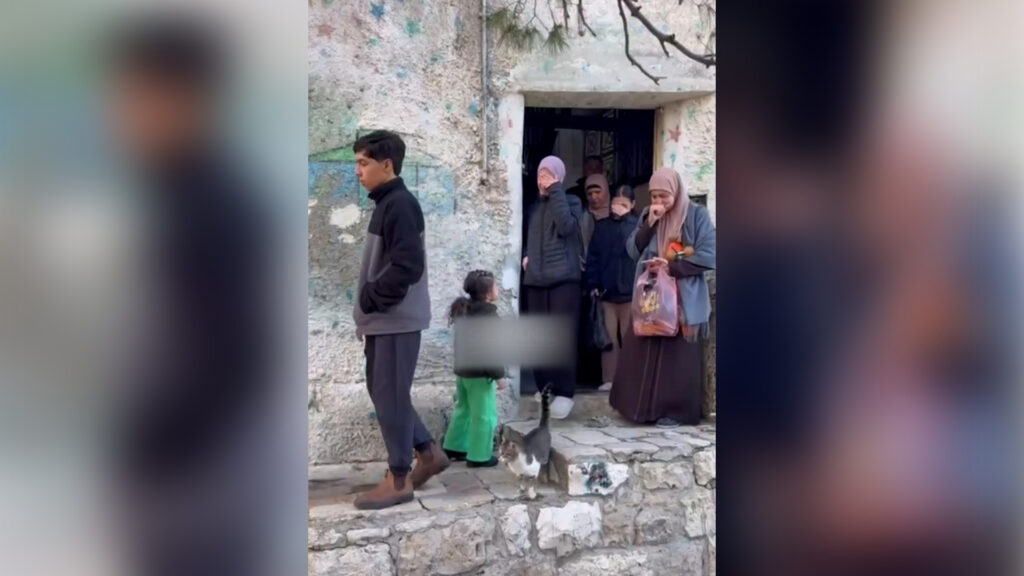
In a recent and contentious development, Israeli forces have forcibly evicted a Palestinian family from their home in Silwan, a neighborhood of occupied East Jerusalem. The eviction, part of a series of similar incidents in the area, has intensified the already fraught situation in this contested region.
Silwan, located just south of the Old City of Jerusalem, is a predominantly Palestinian neighborhood that has been a focal point of tensions between Israeli settlers and Palestinian residents. The eviction of the family adds to long-standing grievances related to property rights, residency status, and broader political disputes over the city.
The family, whose identity has not been publicly disclosed for their safety, were ordered to leave their home following a legal case initiated by Israeli settlers claiming ownership of the property. Such legal battles often result in Palestinian families facing eviction orders based on historical land claims or documentation deemed legitimate by Israeli courts.
Human rights organizations have condemned the eviction, describing it as part of a systematic effort to displace Palestinian residents and alter the demographic makeup of East Jerusalem. They emphasize that such evictions violate international law, including provisions that protect residents under occupation.
The Israeli government and its security forces, on the other hand, argue that the evictions are in accordance with Israeli law and property rights. They assert that the actions are necessary to enforce court rulings and maintain order in the area.
This recent eviction has sparked protests and demonstrations in Silwan and other parts of East Jerusalem. Residents and activists view the forced removal as not only a loss of a home but as an attack on Palestinian presence and rights in the city.
Internationally, the eviction has drawn criticism from various governments and organizations calling for restraint and a peaceful resolution to disputes in Jerusalem. The United Nations has reiterated its stance that such evictions exacerbate tensions and hinder prospects for peace between Israelis and Palestinians.
The situation in East Jerusalem remains highly sensitive and complicated by religious, historical, and political factors. The city holds significance for multiple faiths and is a core issue in the Israeli-Palestinian conflict.
Experts caution that continued evictions could trigger further unrest and violence, thereby undermining any efforts toward a negotiated settlement. They urge all parties to respect human rights and seek dialogue as the path forward.
As the family deals with the immediate impact of displacement, the broader community mourns the loss of yet another home in a neighborhood already struggling with instability. The eviction underscores the ongoing challenges facing Palestinian residents in East Jerusalem amid a complex and protracted conflict.