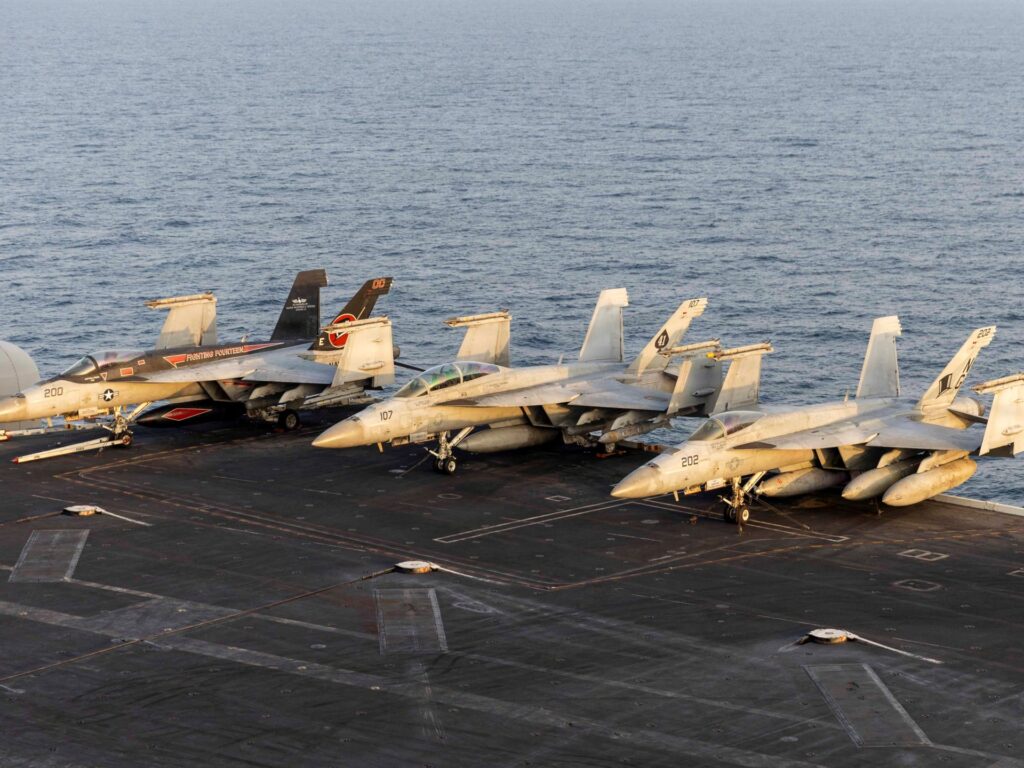
In recent weeks, the United States has been intensifying its military presence in the Gulf region, signaling a possible strategic shift in its approach towards Iran. Traditionally, US operations around Iran have heavily relied on air campaigns and naval power projection. However, the significant deployment of troops and advanced military assets suggests that Washington might be preparing for potential ground operations.
The deployment includes a combination of amphibious assault ships, armored personnel carriers, and thousands of additional troops being moved into nearby bases and aboard naval vessels positioned strategically around the Gulf. These movements have raised alarms among regional analysts and international observers, given the heightened tensions following a series of incidents involving Iran and US interests in the Middle East.
Key deployments encompass elements of the US Marine Corps known for their rapid deployment capabilities and readiness for amphibious and ground combat operations. Additionally, air defense units and special operations forces are reportedly being repositioned to enhance both offensive and defensive capabilities in anticipation of an escalated conflict scenario.
This buildup underscores a tangible shift from the previous emphasis on air strikes and missile deterrence to integrating ground forces capable of maintaining a sustained presence on the battlefield. Sources within the US Department of Defense indicate that this strategic adjustment is partly aimed at deterring further aggression from Iran by showcasing a robust and ready military posture.
Moreover, the increased troop movements reflect concerns over potential Iranian proxy activities and the security of critical maritime routes through the Strait of Hormuz, a vital chokepoint for global oil shipments. The US aims to ensure uninterrupted access and escort capabilities for commercial and military vessels.
Analysts note that while diplomatic channels remain open, the US’s military signaling serves as a pressure tactic intended to compel Iran to reconsider its regional policies and nuclear ambitions. The presence of ground troops enhances the US’s ability to respond swiftly to any hostile actions, whether in the form of insurgent attacks or direct confrontations.
However, this escalation carries considerable risks, including the possibility of entanglement in a protracted ground conflict with unpredictable consequences. Regional allies and international partners have expressed mixed responses, some supporting the need for a deterrent posture, while others caution against escalating tensions further.
In conclusion, the movement of US troops to the Gulf marks a pivotal development in the ongoing tensions with Iran. It highlights a shift in US military strategy towards a more comprehensive engagement that includes the potential for ground operations, reflecting the complexities and high stakes of the geopolitical landscape in the Middle East.