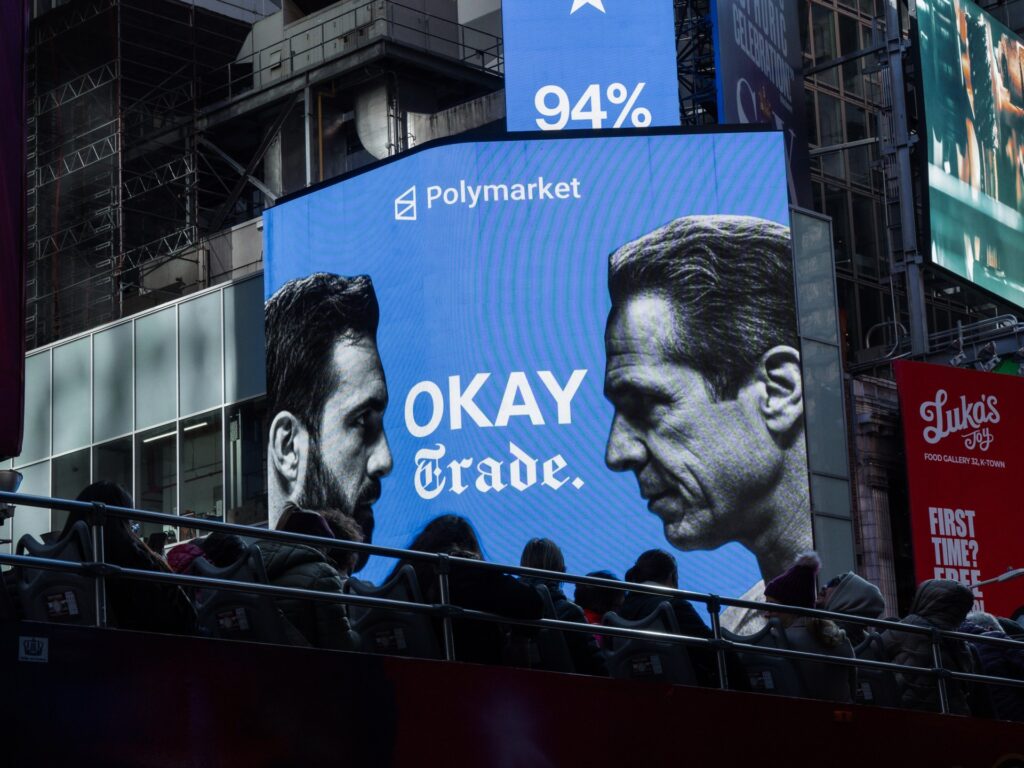
This week, significant trading activity on Polymarket, a popular prediction market, has drawn intense scrutiny and criticism amid allegations of insider trading involving the White House. The trades were closely tied to breaking news about the possibility of war with Iran, raising questions about whether privileged information was used by certain market participants to gain unfair advantage.
Polymarket allows users to place bets on the outcomes of future events, including political and international developments. This week’s spike in bets anticipating a military conflict with Iran came just as reports surfaced about escalating tensions and possible military action. The timing of these trades has led critics to suspect that individuals with access to sensitive White House information may have capitalized on non-public news to profit.
The controversy originates from the idea that Wall Street insiders and certain traders may have received advance intelligence or signals before the information was made public, enabling them to place well-timed trades. Such actions could qualify as insider trading, a serious breach of securities laws that prohibits trading on material non-public information.
Critics argue that the White House must be investigated to determine if any members of the administration leaked confidential information or engaged in transactions based on privileged data. The potential for government insiders to manipulate prediction markets undermines the integrity of these platforms and public trust.
In response, officials have stated that they are reviewing the situation thoroughly but have not yet provided clear answers regarding the source of the information or the identities of those involved. Polymarket itself has reiterated its commitment to transparency and has announced plans to cooperate fully with any regulatory inquiry.
This event also highlights the growing complexities faced by prediction markets, which blend real-time information flow with speculative trading. The intersection of political developments and market mechanisms opens the door for potentially unethical behavior and demands heightened oversight.
The White House is under pressure to ensure that all communications regarding national security issues are handled with the utmost confidentiality. Any breach could not only sway markets unfairly but also jeopardize diplomatic efforts and national security.
Market analysts emphasize that while prediction markets offer valuable insights into public sentiment and future event probabilities, they must operate under strict rules to prevent exploitation by insiders.
As investigations continue, the financial and political communities await clear regulation and safeguards to prevent such incidents. The broader debate focuses on balancing free market innovation with ethical governance and security.
This week’s episode serves as a stark reminder of the vulnerabilities and responsibilities inherent in operating prediction markets amid high-stakes political situations. Ensuring fairness and legality in these platforms will be crucial in maintaining their credibility and usefulness in the future.