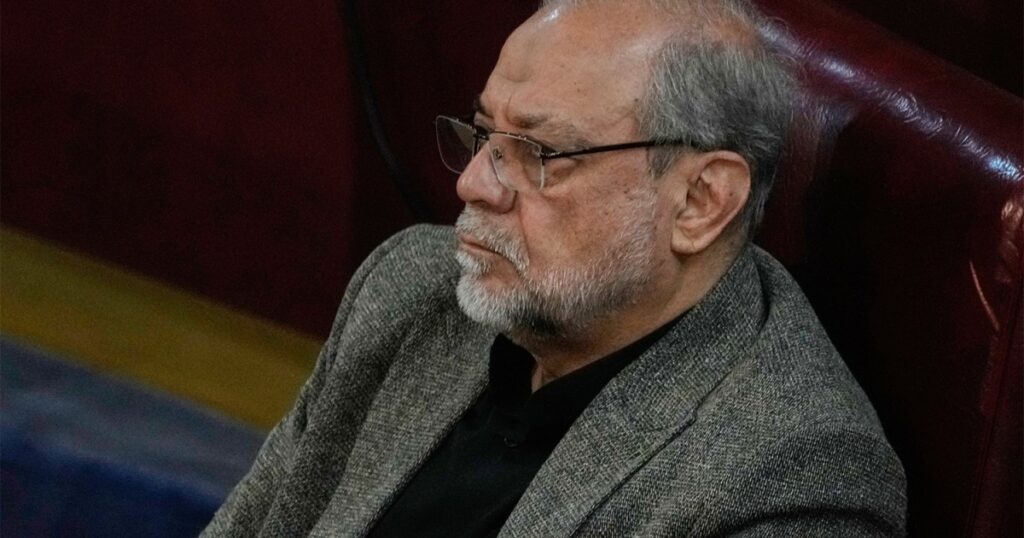
Iran has appointed Mohammad Zolghadr, a former commander of the Islamic Revolutionary Guard Corps (IRGC), as its new security chief. This move has drawn significant attention both within Iran and internationally given the complex geopolitical and domestic challenges facing the country.
Mohammad Zolghadr’s rise to the position of security head comes at a critical juncture. Iran is grappling with intensified pressures from external actors, particularly the United States and Israel, along with ongoing internal unrest and dissent. The appointment indicates Tehran’s approach to addressing these multifaceted threats.
The IRGC has long been a central institution in Iran’s military and political landscape. Zolghadr’s background as an IRGC commander suggests a continuation of a security ethos focused on resilience and retaliation against perceived enemies. This background also implies a security strategy deeply intertwined with Iran’s broader policy objectives and ideological worldview.
Externally, the U.S. and Israel have maintained a consistent posture of opposition toward Iran’s nuclear ambitions, regional influence, and military capabilities. The appointment of a seasoned IRGC figure like Zolghadr signals Iran’s intent to bolster its defense mechanisms and intelligence operations in response to espionage, covert operations, and sanctions.
Internally, Iran has faced protests and social unrest driven by economic difficulties, political grievances, and demands for greater freedoms. Managing this unrest requires a delicate balance between force and diplomacy, a challenge that will test Zolghadr’s leadership.
Zolghadr’s role will be to coordinate various security agencies and oversee measures to ensure regime stability. This includes counter-intelligence activities, border security, cyber defense, and suppression of internal dissent perceived as a threat by the government.
Given his IRGC ties, Zolghadr is expected to strengthen ties between security forces and the military, promoting a unified strategy to confront both external threats and internal challenges. This could mean increased surveillance, crackdowns on protests, and heightened vigilance against foreign interference.
The international community will closely watch how Iran’s security policies evolve under Zolghadr’s stewardship. His actions will influence Tehran’s diplomatic posture and could either escalate tensions or contribute to a strategic recalibration.
Overall, the appointment of Mohammad Zolghadr is more than a routine personnel change; it reflects Iran’s prioritization of a hardened security stance amid a turbulent regional environment and domestic instability. His leadership could shape the country’s trajectory in the near term, impacting both Iranian citizens and the broader Middle East geopolitics.