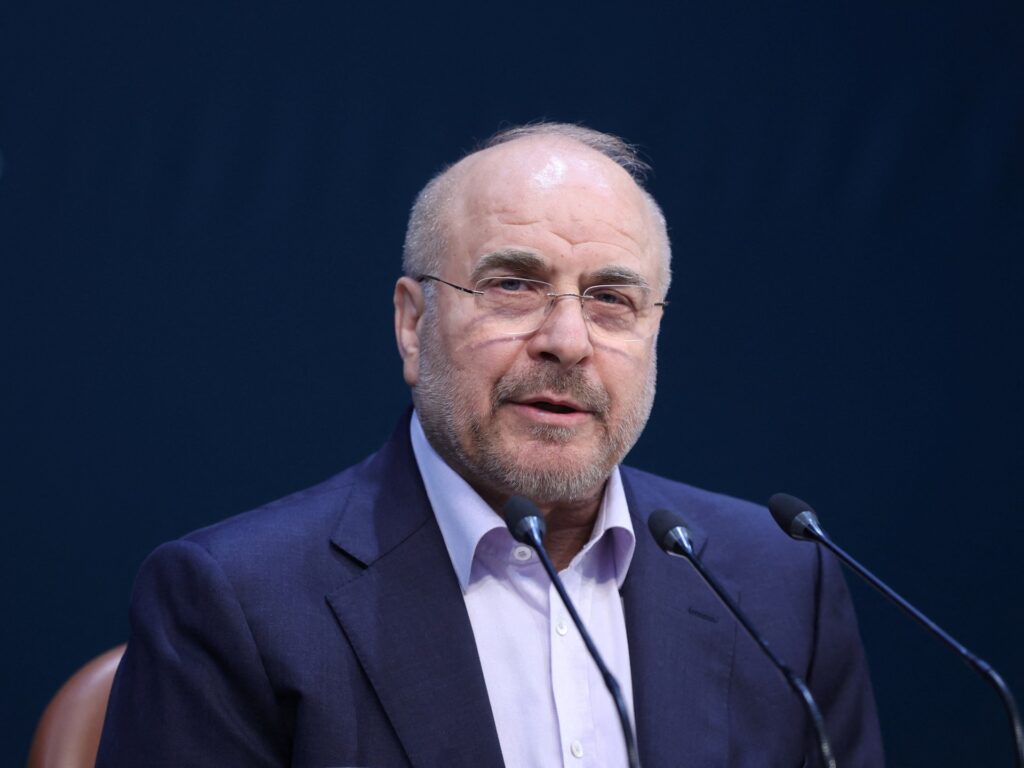
Recent developments have sparked speculation about the nature of communications between the United States and Iran, particularly focusing on Mohammad Bagher Ghalibaf, a prominent Iranian political figure. Reports and rumors have circulated suggesting that the US might be engaging in talks with Ghalibaf. However, these claims have been firmly denied by Iranian authorities and by Ghalibaf himself, who along with other Iranian leaders, has rejected the notion of ongoing negotiations with the US.
Mohammad Bagher Ghalibaf is an influential Iranian politician and former military commander, known for his significant roles within the political landscape of Iran. He has held various prominent positions over the years, notably serving as the Mayor of Tehran from 2005 to 2017, a period during which he gained a reputation for urban development and administrative reforms.
Ghalibaf’s background is deeply rooted in Iran’s political-military sphere. Prior to his mayoral tenure, he was part of the Islamic Revolutionary Guard Corps (IRGC) and played a key role during the Iran-Iraq war. His military experience has shaped his conservative political stance and his approach to governance within Iran.
In recent years, Ghalibaf has remained an active figure in Iranian politics. He serves as the Speaker of the Parliament (Majlis), a position that places him at the heart of Iran’s legislative processes. This role underscores his influence in shaping domestic and foreign policy decisions.
Given his prominence, any suggestion of Ghalibaf’s involvement in dialogue with the US would be significant, as it could indicate shifts or back-channel communications amidst the often-tense relations between the two nations.
However, official statements from Iranian leadership maintain a unified stance that no formal or informal negotiations with the United States are currently underway. This official denial is essential to understand in the context of Iran’s political strategy, as public acknowledgment of such talks could have substantial domestic and international ramifications.
The relationship between the US and Iran is complex and has historically been marked by conflict, mistrust, and intermittent attempts at dialogue. Discussions around nuclear agreements (such as the JCPOA) and regional security have often been areas where communication, direct or indirect, has taken place.
In summary, while Mohammad Bagher Ghalibaf is a key player in Iran’s political realm and would be a significant interlocutor in any US-Iran talks, current available information and official statements indicate that no confirmed discussions are happening at this time. His role remains influential within Iran’s government, particularly in legislative affairs, but speculation about his engagement with US diplomacy should be viewed cautiously pending further evidence or official disclosures.