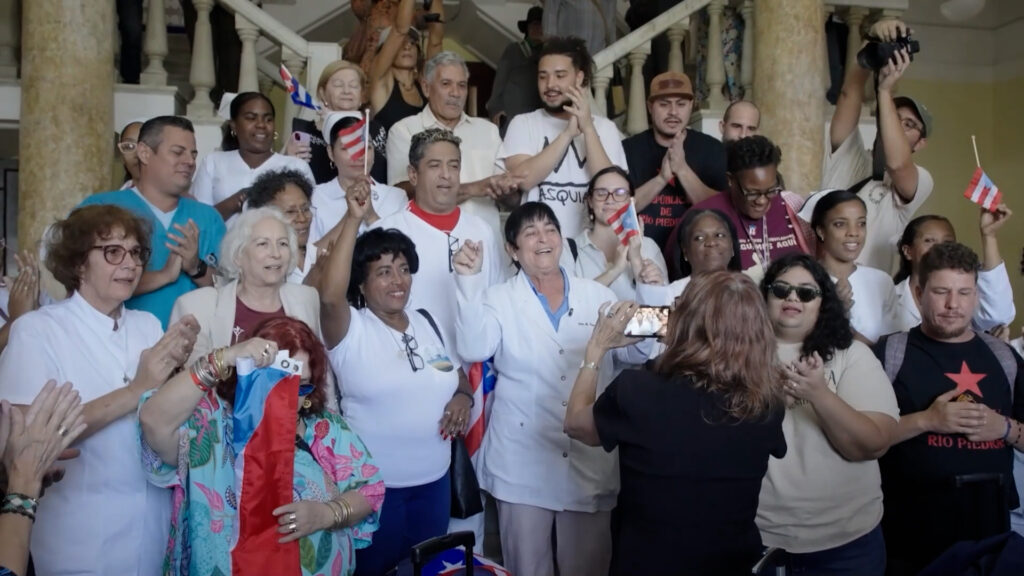
In a bold act of solidarity, Puerto Rican activists recently transported suitcases filled with medicine and essential medical supplies to Havana, Cuba, in defiance of the longstanding US blockade. This humanitarian gesture underscores the activists’ commitment to supporting Cuban communities amid ongoing restrictions.
The US embargo on Cuba, which has been in place for decades, restricts trade and travel between the two countries, affecting access to vital resources such as medical supplies. Despite these restrictions, the Puerto Rican activists managed to bypass the blockade, bringing urgently needed medical aid directly to Cuban citizens.
The journey undertaken by these activists was not just a delivery of material goods, but a powerful statement against the blockade’s impact on public health in Cuba. The medicines and supplies included various essential items such as antibiotics, pain relievers, and surgical equipment that are critical for Cuban hospitals and clinics, which often face shortages caused by the embargo.
Activists emphasized that their mission was motivated by humanitarian concerns rather than political agendas. They highlighted the importance of fostering solidarity between the people of Puerto Rico and Cuba, especially given their shared histories and cultural ties.
The delivery was met with gratitude from Cuban medical professionals who have faced significant challenges in maintaining healthcare standards due to the embargo’s restrictions. The influx of medical supplies brought a temporary relief that allowed for better treatment of patients and continuation of critical medical procedures.
This initiative has sparked conversations about the broader impact of the US blockade on humanitarian needs. Many advocates argue that the embargo punishes ordinary Cuban citizens by limiting access to healthcare and essential goods rather than the government.
Moreover, the activists’ actions resonate with ongoing global debates over the ethics of economic sanctions and their consequences on vulnerable populations. Their defiance highlights the potential for grassroots movements to provide aid and challenge political policies through direct humanitarian efforts.
The US government, however, maintains that the embargo is a necessary measure aimed at pressuring the Cuban government for political reforms and human rights improvements. Yet, critics argue that these sanctions have largely failed to achieve their intended goals while exacerbating hardships for the Cuban people.
As the activists continue their outreach, they call for increased international attention to the humanitarian crisis exacerbated by the embargo. They advocate for lifting restrictions on medical and humanitarian supplies to prevent further deterioration of healthcare in Cuba.
This mission by Puerto Rican activists is a testament to the enduring spirit of solidarity and the pursuit of compassionate aid beyond political boundaries. It sheds light on the critical need for humanitarian considerations in international relations, especially amidst prolonged conflicts and sanctions.
Their efforts have inspired similar movements, encouraging people worldwide to consider creative ways to deliver aid and support communities affected by geopolitical conflicts.
In conclusion, the delivery of medicine and medical supplies from Puerto Rican activists to Havana amid the US blockade stands as a remarkable example of courage and humanitarianism. It challenges restrictive policies and highlights the power of unity and compassion in addressing urgent health needs.