In a recent escalation of violence, Hezbollah militants launched a deadly attack in northern Israel, resulting in the death of one individual. This attack is part of ongoing clashes as the region faces heightened tensions due to the broader conflict involving the US, Israel, and Iran.
The violent incident in northern Israel marks a significant development amid an intensifying conflict between Hezbollah and Israeli forces. This militant group has been responding aggressively to what it perceives as threats from Israeli military actions and US involvement in the region, particularly concerning Iran.
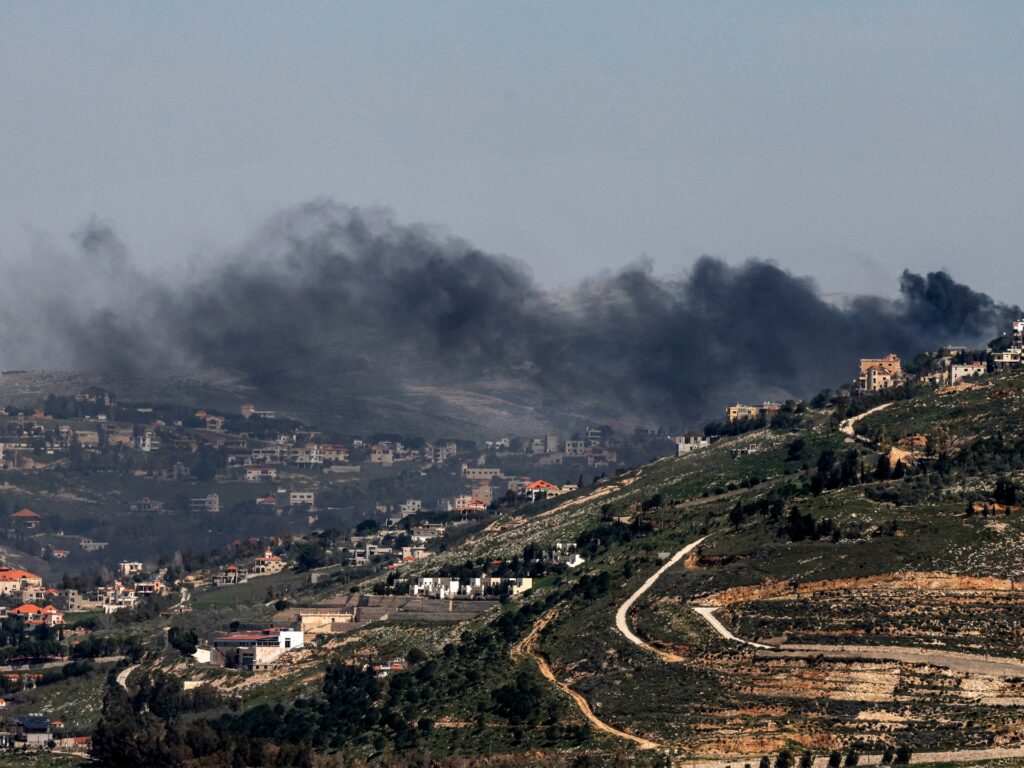
Hezbollah’s assault comes as Israeli troops continue to advance into southern Lebanon, further escalating hostilities in the border region. This increased military presence by Israel is viewed as a strategic effort to counter Hezbollah’s growing influence and to prevent further attacks on Israeli territory.
The backdrop of this conflict is complex, rooted in years of geopolitical rivalry in the Middle East. Hezbollah, a Shiite militant group and political party based in Lebanon, has long been backed by Iran, which provides it with financial and military support. This relationship adds a critical dimension to the ongoing conflict, linking local skirmishes to larger international power struggles.
Israel’s military incursions into southern Lebanon aim to secure its northern borders and suppress Hezbollah’s ability to launch rocket attacks into Israeli communities. Despite Israel’s efforts, Hezbollah continues to perform retaliatory strikes, leading to a cycle of violence that threatens regional stability.
The involvement of the United States, as an ally of Israel and an opponent of Iran’s regional ambitions, further complicates the situation. The ongoing US-Israel war posture against Iran has indirectly fueled Hezbollah’s attacks, as the group seeks to push back against what it sees as American-led aggression.
Casualties from these conflicts are mounting, with civilians in both Israel and Lebanon caught in the crossfire. The international community has expressed concern over the escalation and called for restraint from all parties involved.
Diplomatic efforts to de-escalate the situation have been challenging, with deep-seated animosities and strategic interests making peace negotiations difficult. However, regional leaders and international actors continue to advocate for dialogue and peaceful resolutions to prevent further loss of life.
The situation on the ground remains volatile. The death resulting from the recent Hezbollah attack is a stark reminder of the ongoing danger faced by residents near the Israel-Lebanon border. Both sides are showing signs of preparing for prolonged conflict, raising fears of a broader regional war.
Analysis by experts suggests that without significant diplomatic intervention, continued military exchanges could escalate into wider hostilities, drawing in more countries and complicating the geopolitical landscape further.
Residents in northern Israel have been urged to remain vigilant and adhere to safety protocols amid ongoing security threats. Meanwhile, the Lebanese population in southern regions also braces for potential retaliatory actions by Israeli forces.
The conflict’s roots in historical grievances and the strategic interests of various actors underscore the complexity of achieving a lasting peace. With Hezbollah’s continued defiance and Israel’s determined military presence, the path to stability appears fraught with challenges.
This cycle of violence underscores the fragile nature of peace in the Middle East, where alliances and enmities frequently shift. International stakeholders continue to monitor the situation closely, hoping to mediate a ceasefire and create conditions for negotiation.
In summary, the recent Hezbollah attack that killed one in northern Israel is part of a larger, ongoing conflict involving Israeli troops entering southern Lebanon and Hezbollah’s retaliatory strikes fueled by broader geopolitical tensions involving the US and Iran. The region remains on edge as efforts to stop the violence and negotiate peace persist amid fears of further escalation.