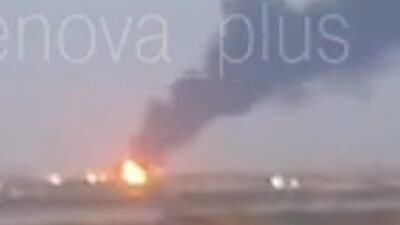
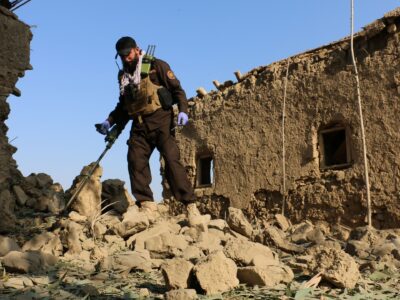
A recent attack by Hezbollah has resulted in the death of one individual in northern Israel, escalating tensions further in the region. This incident marks a significant development as the ongoing conflict between Hezbollah and Israeli forces intensifies.
Hezbollah, the Lebanon-based Shiite militant group, has reportedly been launching attacks as a response to the escalating US-Israel military actions targeting Iran. These actions are part of a wider geopolitical conflict involving Iran, Israel, and their respective allies.
In recent days, Israel has increased its military presence in southern Lebanon, sending more troops into the area as part of efforts to counter Hezbollah’s insurgent activities. This military buildup underscores the seriousness with which Israel is approaching the threat posed by Hezbollah.
The attack in northern Israel, which resulted in one fatality, highlights the volatility of the situation on the Israel-Lebanon border. The region has been a flashpoint for violence for decades, with Hezbollah often engaging in cross-border attacks and Israeli forces conducting retaliatory strikes.
This latest development comes amid a broader backdrop of heightened tensions in the Middle East, where US and Israeli operations have focused on curbing Iran’s influence. Hezbollah, supported by Iran, sees these actions as a direct threat, prompting its retaliatory assaults.
The conflict’s continuation raises concerns about regional stability and the potential for a larger-scale confrontation. International observers have called for restraint from all parties to avoid further escalation.
Lebanese officials have expressed alarm over the increase in violence and the presence of foreign troops on their soil, which they view as a violation of Lebanon’s sovereignty. Meanwhile, Israel maintains that its actions are defensive measures necessary for national security.
The international community has urged both sides to engage in dialogue to prevent the situation from spiraling out of control. However, the entrenched hostilities and complex alliances make diplomatic resolution challenging.
As the situation evolves, civilian populations in both northern Israel and southern Lebanon bear the brunt of the conflict, facing casualties, displacement, and disruption to daily life.
The coming days are critical in determining whether the violence will escalate into a broader war or if diplomatic efforts can succeed in establishing a ceasefire. Observers around the world remain watchful of developments along the Israel-Lebanon border.
In conclusion, the recent Hezbollah attack killing one person in northern Israel amid ongoing Israeli military operations in southern Lebanon signifies a dangerous intensification of hostilities. The conflict is deeply rooted in regional power struggles and continues to have severe implications for peace and security in the Middle East.