Former President Donald Trump has sharply criticized NATO for its perceived lack of support amid escalating tensions involving the United States and Israel in a potential conflict with Iran. Trump labeled the alliance as “cowards,” expressing frustration over what he sees as inadequate assistance from NATO allies during a critical period.
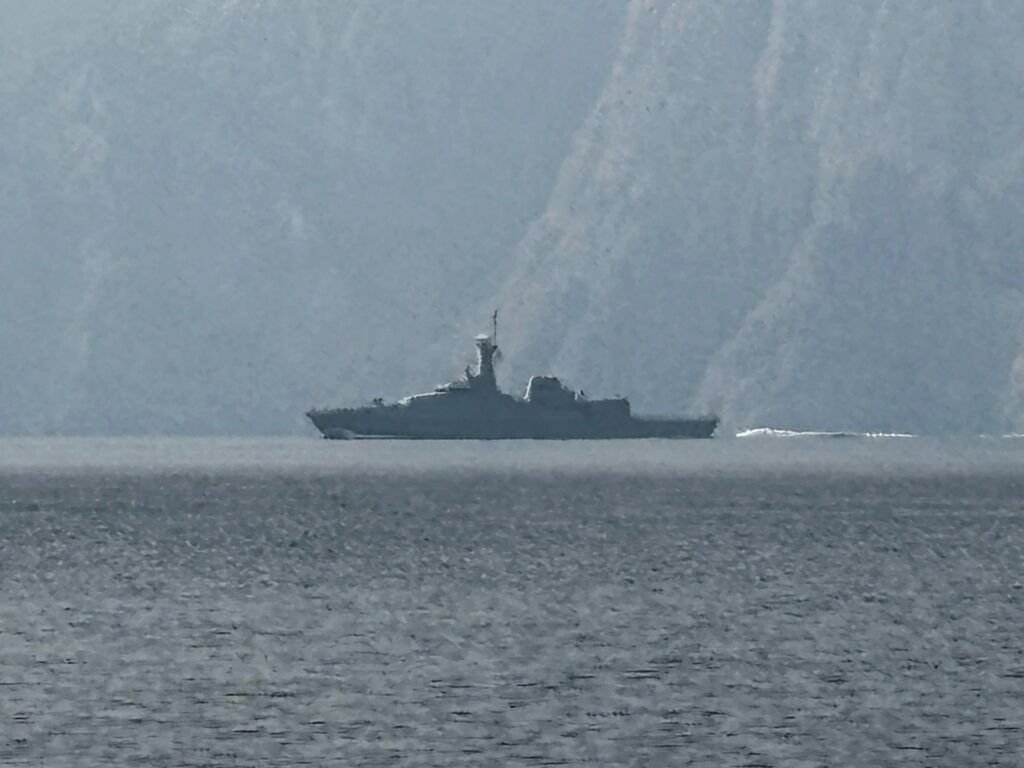
The backdrop to these comments involves recent geopolitical developments in the Middle East, where the US and Israel are feeling increasing pressure over Iranian activities. A key concern is the security of shipping routes through the Strait of Hormuz, a strategic chokepoint for global oil supplies. Trump emphasized the need for US allies to actively guarantee the safety and freedom of navigation through this vital waterway, underscoring its significance to both regional and international stability.
Amid these tensions, NATO has been relocating its personnel out of Iraq, citing security concerns. This move is viewed by some as a retreat, further fueling criticism from Trump and others who believe that such actions signal weakness or a lack of solidarity among Western allies.
Trump’s rhetoric highlights a broader debate about the role and obligations of NATO and its member states in addressing security threats beyond European borders. He has called for increased military support and more robust joint efforts to counter Iran’s influence and assure allies in the Middle East.
Critics of Trump’s stance argue that the situation requires careful diplomatic engagement and that military escalation could lead to wider conflict. Supporters, however, view his calls for stronger NATO involvement as a necessary stance to deter Iranian aggression and protect critical trade routes.
The situation remains fluid, with ongoing diplomatic efforts underway to ease tensions and prevent an escalation into open conflict. The international community is watching closely as NATO and other global actors navigate this complex security environment.
In summary, Trump’s remarks have reignited discussions about NATO’s role in the Middle East, raising questions about alliance unity, burden sharing, and the challenges of responding to contemporary security threats in a rapidly changing geopolitical landscape.