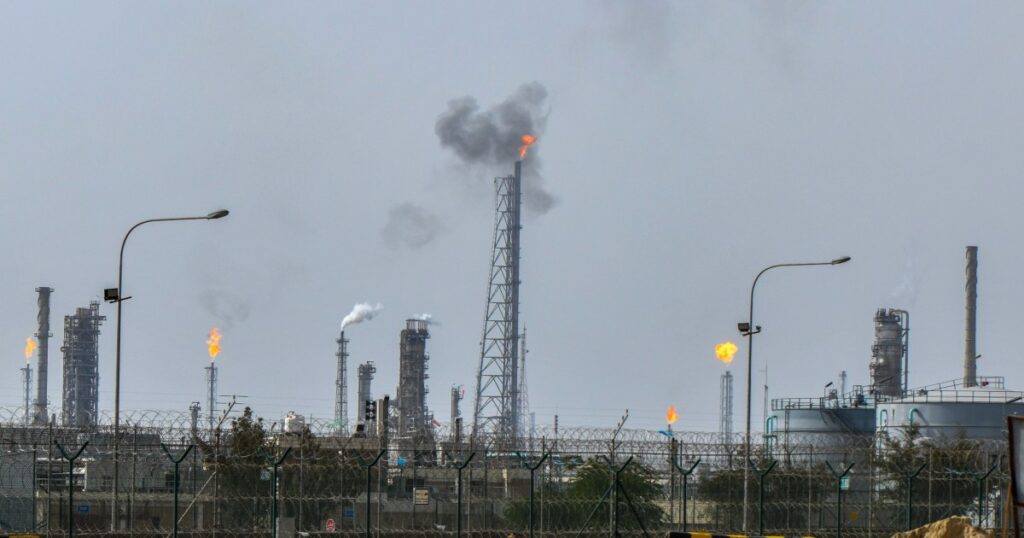
In a troubling escalation of regional tensions, a Kuwaiti oil refinery has been struck again, marking a significant development in the ongoing conflict impacting Gulf energy infrastructure. The recent attack highlights the increasing vulnerability of critical energy assets in the region, as multiple incidents have now stretched from Kuwait to the United Arab Emirates (UAE).
This spate of attacks underscores a disturbing trend where key energy facilities are being targeted, raising alarms about the stability and security of global oil supplies. Kuwait, a major player in the oil market, finds its refinery once again at the center of geopolitical turmoil, disrupting operations and potentially influencing global energy prices.
Analysts warn that these assaults are not isolated but part of a broader, more dangerous phase of conflict spurred by heightened tensions involving Iran and its regional activities. The Gulf, a vital artery for global energy transport, now faces unprecedented security challenges as hostilities threaten to destabilize the entire area.
The implications extend beyond regional borders. The Gulf region’s energy networks are integral to global markets, and continued attacks could have far-reaching effects, including increased oil prices and supply chain disruptions worldwide. The concerns are growing among international observers regarding the potential for these skirmishes to escalate into wider military confrontations.
Iran’s role in targeting Gulf energy infrastructure reflects deeper geopolitical rivalries and a strategic effort to exert influence over a critical energy hub. This move has prompted calls for enhanced protective measures and regional cooperation to safeguard vital installations against further attacks.
The recent incident at the Kuwaiti refinery is a stark reminder of the fragile security environment. It disrupts not only the local economy but also signals risks for international energy security. Authorities in Kuwait and neighboring countries have intensified their vigilance, with increased security protocols and collaborative intelligence efforts to deter future threats.
This ongoing conflict presents a multifaceted challenge, intertwining energy security, international diplomacy, and regional stability. Stakeholders worldwide are watching closely as the situation unfolds, emphasizing the urgent need for dialogue and conflict resolution to prevent further escalation.
In conclusion, the repeated attacks on key energy facilities in Kuwait and across the Gulf region mark a dangerous new chapter in regional conflict. The targeted strikes against oil infrastructure not only jeopardize local economies but also endanger global energy markets, calling for immediate attention and action from the international community.